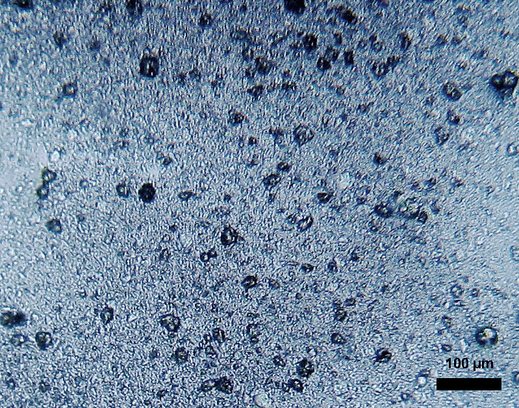
Microplastics are everywhere – in our food, water, and even the air we breathe. With growing concern over their health effects, one question stands out: could microplastics increase your risk of cancer? In this article, we explore what the science says so far, separating fact from fear. While research is ongoing, there’s still a lot we can learn and do when it comes to protecting our health.
Microplastics are tiny, man-made particles of plastic that have been found in the air, soil, and water. Due to widespread exposure, they have also been detected in humans. However, the health effects of microplastics remain unclear as the research is still in its early stages. Some have suggested that microplastics might be linked with cancer, but is this true? This article will explore what the experts say and what current studies tell us about whether such a link may exist.
What Are Microplastics, and Where Do We Encounter Them?
Definition and sources
Microplastics are tiny plastic particles that are less than 5mm in size, roughly smaller than a pea1. They are mainly produced throughout the lifecycle of plastic products.
Primary microplastics are specifically produced for use as abrasives, plastic pellets, and microbeads used in some cosmetic or cleaning products2.
Secondary microplastics are formed when everyday products such as packaging, synthetic clothing, tyres, and many others3 are slowly broken down into smaller pieces over time.
Plastics degrade through physical, chemical, or biological processes. For example, ultraviolet (UV) radiation from the sun can weaken plastic, helping it break down. Mechanical forces like the wind, waves, and abrasion can break down plastics into fragments. Smaller particles can then be further broken down by bacteria.
Some environmental factors can speed up plastic breakdown4:
- UV intensity
- Higher temperatures
- Saltiness of water or soil
- Oxygen levels in the air or water
- The activity of plastic-eating bacteria
However, most plastics do not fully degrade. Instead, they are broken down into smaller and smaller pieces and accumulate in the environment2. Almost every piece of plastic ever produced still exists in some capacity5.
Where they show up
Microplastics are present pretty much everywhere. One study estimates that there are around 24.4 trillion microplastics in the upper regions of the world’s oceans alone6.
They have been found in our water, food, soil, and air6. Their presence in our food chain and environment has led to traces being detected in humans. Microplastics have been detected in our blood, lungs, placentas, heart tissue (in surgical patients), livers, and breast milk7.
They have also been found in animal tissues, including fish and laboratory rodents1.
The Science So Far – Do Microplastics Cause Cancer?
What animal and lab studies suggest
Animal studies have shown that microplastics may encourage processes that could increase the risk of cancer, such as inflammation, DNA damage, and cellular injury. Though there is no clear evidence that they directly cause cancer.
Disease model studies
- One study in mice with colorectal cancer showed that when given microplastics, they developed more tumors and had inflammation of the gut, leading to changes to the gut bacteria and lining. They also noted changes in the liver, like cell damage and scarring8.
- A study of ovarian cancer showed that microplastics increased tumour growth in mice by changing how the surrounding cells behaved and affecting gene expression9.
- In rats that were exposed to microplastics alongside a cancer-triggering chemical, they developed more pre-cancerous growths in their liver, experienced abnormal cell activity, and changes to gut bacteria, more so than rats only exposed to the chemical10.
Other models
- Zebrafish and fly studies have both shown that microplastics can increase DNA and cell damage and inflammation, which could increase the risk of cancer11,12.
- Human cell models also increase DNA and cellular damage, which could imply increased risk of cancer11.
Importantly, many studies use short-term exposure to very high doses of microplastics, which do not reflect our day-to-day exposure. Different plastic types, particle size, and exposure route all affect how these microplastics could impact us, and are not reflected in the available research. Additionally, animal and human cell models also do not directly translate to human health outcomes.
What we can learn from the current research is that there may be biological mechanisms for microplastics to increase the risk of cancer under certain conditions, but this may not apply to humans.
What we know about human impact
Human evidence is extremely limited. Most microplastics are found by looking at tissue samples, which can be difficult to obtain from humans. This limits the studies we can perform.
The presence of microplastics in human blood, placenta, and lungs does show that they can accumulate within some tissues of our bodies. However, no link to cancer development has been proven in humans11.
Expert consensus
Major health charities and research hubs agree that there is no conclusive evidence linking microplastics to cancer risk.
- Cancer Research UK says, “It is safe to consume food and drink stored in plastic. Any chemicals that get into food and drink from plastic containers are at low levels and won’t cause cancer”13.
- The WHO states that even though microplastics are an emerging contaminant, according to the available data, drinking water in plastic packaging and other sources of microplastics are safe14,15.
- Imperial College London has stated that further evidence is required and that sensationalisation of the potential dangers of microplastics should be avoided16.
Are Some Microplastics More Concerning Than Others?
Types of plastics and additives
Not all plastics are the same; some contain chemicals that can increase the risk of cancer. These include:
- Bisphenol A (BPA): found in some hard plastic and water bottles17
- Phthalates: found in flexible plastics like vinyl17
- Flame retardants: added to certain foams and plastics to reduce fire risk17
When plastic breaks down, these chemicals can leach out. Some can interfere with hormones like oestrogen, which may affect cell growth and could potentially increase cancer risk11,15,17.
Particle size and absorption
Microplastics are less than 5mm in size, while nanoplastics can be up to 1000x smaller than the smallest microplastics14.
The smaller the plastic, the more easily it can cross through the body. For example, crossing the gut lining and maybe even reaching the brain18.
These particles can accumulate in organs over time. Although high levels have the potential to cause some side effects, there is currently no evidence for this.
What Can You Do to Reduce Exposure?
There are several things that we can do to limit microplastic exposure.
Practical lifestyle tips
- Drink filtered tap water where possible
- Limit plastic-wrapped foods
- Avoid heating food in plastic containers
- Choose glass, stainless steel, or BPA-free products
Broader solutions
- Support policies reducing plastic pollution
- Choose eco-conscious products with minimal plastic
- Encourage brands to reduce plastic packaging
Should You Be Worried About Microplastics and Cancer?
Though there is no evidence that microplastics directly cause cancer in humans, taking reasonable steps to reduce exposure can give us peace of mind.
Steps we can take to reduce the risk of cancer include prioritising our health, maintaining a balanced diet, exercising, getting good quality sleep, and avoiding known carcinogens like tobacco, excessive alcohol, and UV radiation.
Microplastics, if they do pose any cancer risk, would only be a small piece of a larger puzzle.
Conclusion
There’s currently no direct proof that microplastics cause cancer, but ongoing research remains important.
Living well includes informed choices, not fear. You can limit exposure to microplastics where feasible, adopt healthy lifestyle habits, and follow recommended cancer screenings. Proactive health checks, along with routine preventative care, can support early detection and overall well-being.
For those considering advanced imaging, Ezra offers multi-organ MRI options that can aid early detection of cancer and over 500 other conditions. Learn more today.
Understand your risk for cancer with our 5 minute quiz.
Our scan is designed to detect potential cancer early.
References
1. Tissue accumulation of microplastics in mice and biomarker responses suggest widespread health risks of exposure | Scientific Reports. Accessed February 11, 2026. https://www.nature.com/articles/srep46687
2. Ziani K, Ioniță-Mîndrican CB, Mititelu M, et al. Microplastics: A Real Global Threat for Environment and Food Safety: A State of the Art Review. Nutrients. 2023;15(3):617. doi:10.3390/nu15030617
3. Kowalczyk P, Kadac-Czapska K, Grembecka M. Polyethylene Packaging as a Source of Microplastics: Current Knowledge and Future Directions on Food Contamination. Foods. 2025;14(14):2408. doi:10.3390/foods14142408
4. Valdivia S, Riquelme C, Carrasco MC, et al. Polyethylene Microplastics and Human Cells: A Critical Review. Toxics. 2025;13(9):756. doi:10.3390/toxics13090756
5. Greenpeace International. Every single piece of plastic ever made still exists. Here’s the story. Greenpeace International. January 26, 2026. Accessed February 12, 2026. https://www.greenpeace.org/international/story/7281/every-single-piece-of-plastic-ever-made-still-exists-heres-the-story/
6. Gerretsen I. How microplastics are infiltrating the food you eat. Accessed February 10, 2026. https://www.bbc.com/future/article/20230103-how-plastic-is-getting-into-our-food
7. Detection of microplastics in human tissues and organs: A scoping review - PMC. Accessed February 11, 2026. https://pmc.ncbi.nlm.nih.gov/articles/PMC11342020/
8. Zolotova N, Kirillova M, Dzhalilova D, Tsvetkov I, Fokichev N, Makarova O. Microplastics’ Impact on the Development of AOM/DSS-Induced Colitis-Associated Colorectal Cancer in Mice. Int J Mol Sci. 2025;26(23):11511. doi:10.3390/ijms262311511
9. Chen G, Shan H, Xiong S, et al. Polystyrene nanoparticle exposure accelerates ovarian cancer development in mice by altering the tumor microenvironment. Sci Total Environ. 2024;906:167592. doi:10.1016/j.scitotenv.2023.167592
10. Long-Term Exposure to Microplastics Promotes Early-Stage Hepatocarcinogenesis Induced by Diethylnitrosamine in Rats by Modulation of Their Gut Microbiota - PMC. Accessed February 11, 2026. https://pmc.ncbi.nlm.nih.gov/articles/PMC12115485/
11. Mishra SK, Sanyal T, Kundu P, et al. Microplastics as emerging carcinogens: from environmental pollutants to oncogenic drivers. Mol Cancer. 2025;24:248. doi:10.1186/s12943-025-02409-4
12. Aloisi M, Grifoni D, Zarivi O, Colafarina S, Morciano P, Poma AMG. Plastic Fly: What Drosophila melanogaster Can Tell Us about the Biological Effects and the Carcinogenic Potential of Nanopolystyrene. Int J Mol Sci. 2024;25(14):7965. doi:10.3390/ijms25147965
13. Cancer Research UK. Do plastic bottles cause cancer? | Plastic and cancer | Cancer Research UK. Accessed February 10, 2026. https://cancerresearchuk.org/about-cancer/causes-of-cancer/cancer-myths-questions/does-using-plastic-bottles-and-containers-cause-cancer
14. WHO. Dietary and inhalation exposure to nano- and microplastic particles and potential implications for human health. Accessed February 11, 2026. https://www.who.int/publications/i/item/9789240054608
15. WHO. Microplastics in drinking-water. Accessed February 11, 2026. https://www.who.int/publications/i/item/9789241516198
16. Jack Stewart RO. Experts urge caution over microplastics in tissue claims and call for forensic approach to improve accuracy. Imperial College London. 2026. Accessed February 11, 2026. https://www.imperial.ac.uk/news/articles/medicine/school-public-health/2026/experts-urge-caution-over-microplastics-in-tissue-claims-and-call-for-forensic-approach-to-improve-accuracy/
17. Campanale C, Massarelli C, Savino I, Locaputo V, Uricchio VF. A Detailed Review Study on Potential Effects of Microplastics and Additives of Concern on Human Health. Int J Environ Res Public Health. 2020;17(4):1212. doi:10.3390/ijerph17041212
18. Scuto M, Lombardo CMG, Lo Sasso B, Di Fatta E, Ferri R, Trovato Salinaro A. Microplastics as Emerging Contaminants and Human Health: Exploring Functional Nutrition in Gastric-Colon-Brain Axis Cancer. Toxics. 2025;13(6):438. doi:10.3390/toxics13060438


