Key takeaways:
- Fatty liver disease develops when fat accumulates in the liver, causing inflammation and dysfunction.
- The two types of fatty liver disease are: alcoholic fatty liver disease (caused by excess alcohol use) and non-alcoholic fatty liver disease (caused by factors unrelated to alcohol).
- Weight loss is the main treatment for non-alcoholic fatty liver disease.
- Restoring insulin sensitivity by following a low-carbohydrate diet like the keto diet may also offer treatment.
What is Fatty Liver Disease?
Fatty liver disease is often described as a “silent killer”, meaning patients rarely show symptoms. Late symptoms of fatty liver disease include fatigue and pain in the upper right side of the abdomen.
When fat builds up in your liver, fatty liver disease can develop. The disease is broken down into two types: alcoholic fatty liver disease and non-alcoholic fatty liver disease (NAFLD).
Alcoholic fatty liver disease is caused by excessive alcohol use, which causes cellular damage. Over time, alcohol irritates the liver lining, causing inflammation. This inflammation and irritation can lead to liver dysfunction and elevated liver enzymes.
NAFLD is more complex because many factors can contribute to its development. While researchers are still trying to understand it, obesity is the largest associated risk factor. Others include:
- Type 2 diabetes
- Being over 50 years old
- High cholesterol
- High blood pressure
- An unhealthy diet
- Lack of physical activity
- Polycystic ovary syndrome
These risk factors can promote fat collection and storage in the liver. Sometimes, excess fat in the liver causes inflammation. This can lead to a more aggressive form of NAFLD called nonalcoholic steatohepatitis (NASH).
If fatty liver disease is left untreated, cirrhosis can occur. Cirrhosis is a condition characterised by severe liver damage. This can cause internal bleeding, liver failure, liver cancer, or sepsis1.
How To Detect Fatty Liver Disease
Since fatty liver disease doesn’t usually show early symptoms, detecting it early is key. With early detection tests, treatment can begin sooner, and more severe symptoms may be avoided2. Early detection tests include:
- Blood tests: to check liver enzyme levels.
- Fibroscan: to measure liver stiffness.
- Imaging tests: tests include ultrasounds, CT, and MRI scans to identify liver changes.
- Liver biopsy: confirms diagnosis by taking a sample of the liver tissue.
For those at risk of alcoholic or non-alcoholic fatty liver disease, a routine full-body scan can be beneficial. At Ezra, a multi-organ scan can screen 500+ medical conditions, including fatty liver and liver cancer.
Fatty Liver Disease Treatment
Once someone reduces or stops their alcohol use, alcoholic fatty liver disease can often be reversed3.
For NAFLD, weight loss is the most common treatment recommendation. Weight loss can reduce the amount of fat in the liver, lower inflammation, and reduce scarring (fibrosis) in the liver.
Weight loss techniques can look different depending on a person’s genetics, abilities, and preferences1. Sometimes, simply reducing calorie intake isn’t enough or isn’t sustainable long-term. This has led to exploring different dietary avenues to reduce fat in the liver.
The Keto Diet
More research shows that the keto diet can not only assist in weight loss, but it can also help prevent fatty liver disease and reverse fatty liver damage. Before we discuss why a keto diet can help with fatty liver disease, let’s review what it is.
The ketogenic diet consists of a very low-carbohydrate diet, typically between five to ten per cent of total calories for the day.
The most common type of keto diet consists of a high-fat and low-carbohydrate intake diet with an unrestricted total calorie intake. Tracking macronutrient levels is key to the keto diet.
The goal of the keto diet is to achieve ketosis, or ketogenesis. Ketogenesis happens when your body uses fat instead of carbohydrates for energy. During ketogenesis, ketone bodies are formed. These bodies are water-soluble molecules produced by the liver from fatty acids. Ketone bodies assist with weight loss thanks to their ability to induce satiety, the sensation of fullness. This can lead to eating smaller portions without feeling hungry4,5.
Additional Benefits of the Keto Diet
The keto diet offers more than just weight loss. Additional benefits include:
- Reduction in triglycerides, which otherwise increases the risk of several diseases5
- Reduction in abdominal fat4
- Reduced risk for metabolic syndrome4
- Higher consumption of low-glycemic index foods, such as vegetables and certain fruits, that help reduce insulin resistance and keep blood sugar levels steady4
Keto and Fatty Liver
Keto not only offers weight loss and the improvement of insulin levels to combat fatty liver, but it can also reduce lipogenesis.
Lipogenesis is the process of converting carbohydrates into fatty acids, thus turning them into fat. This fat tends to end up in tissue around the midsection and the liver. By reducing the fat conversion process, less fat may be stored in the liver.
Not only does a low-carb diet reduce insulin levels and lipogenesis, but it can also increase the rate fatty acids are broken down, or their oxidation rate. Reducing oxidative stress helps reduce inflammation and irritation in the liver6.
What Does the Research Say About Keto and Fatty Liver?
It may seem counterintuitive to eat a high-fat diet to manage fatty liver. But more research highlights the beneficial effects of a high-fat, low-carbohydrate diet on fatty liver disease.
A 2018 study evaluated the effects of carbohydrate-restricted induced ketosis in 262 obese or overweight patients. After one year, participants had improved their blood sugar parameters, reduced their cardiovascular risk factors, and reduced the need for medications to manage high blood pressure and diabetes. Liver enzymes used to measure liver health also improved in this trial7.
Participants also had sustained weight loss during this trial. Another noteworthy result was a reduction in the diabetes lab test HbA1c, which was related to improved liver enzyme levels regardless of weight loss. This highlights the role insulin sensitivity and blood glucose management can play in reducing the risk and worsening of fatty liver7.
A 2020 meta-analysis of 154 articles reviewed the benefits of the keto diet on fatty liver disease. The authors concluded that, in addition to caloric restriction, macronutrient distribution also plays a role in NAFLD treatment. This means high-fat keto diets had a greater and faster impact on liver fat content than restricting carbohydrates. The meta-analysis also notes the role ketosis plays in liver fat reduction due to fatty acid oxidation8.
Detect Fatty Liver Disease Early
Since fatty liver is a silent disease in its early stages, it can easily be missed without proper surveillance. Lab tests evaluating liver enzymes can help identify fatty liver, but only after damage to liver health and function has begun.
A liver biopsy is another way to determine if someone has fatty liver disease, but it is invasive and carries risks such as bleeding and infection.
The keto and fatty liver connection continues to be explored by researchers, but it’s encouraging to know there are ways to evaluate liver function on an ongoing basis.
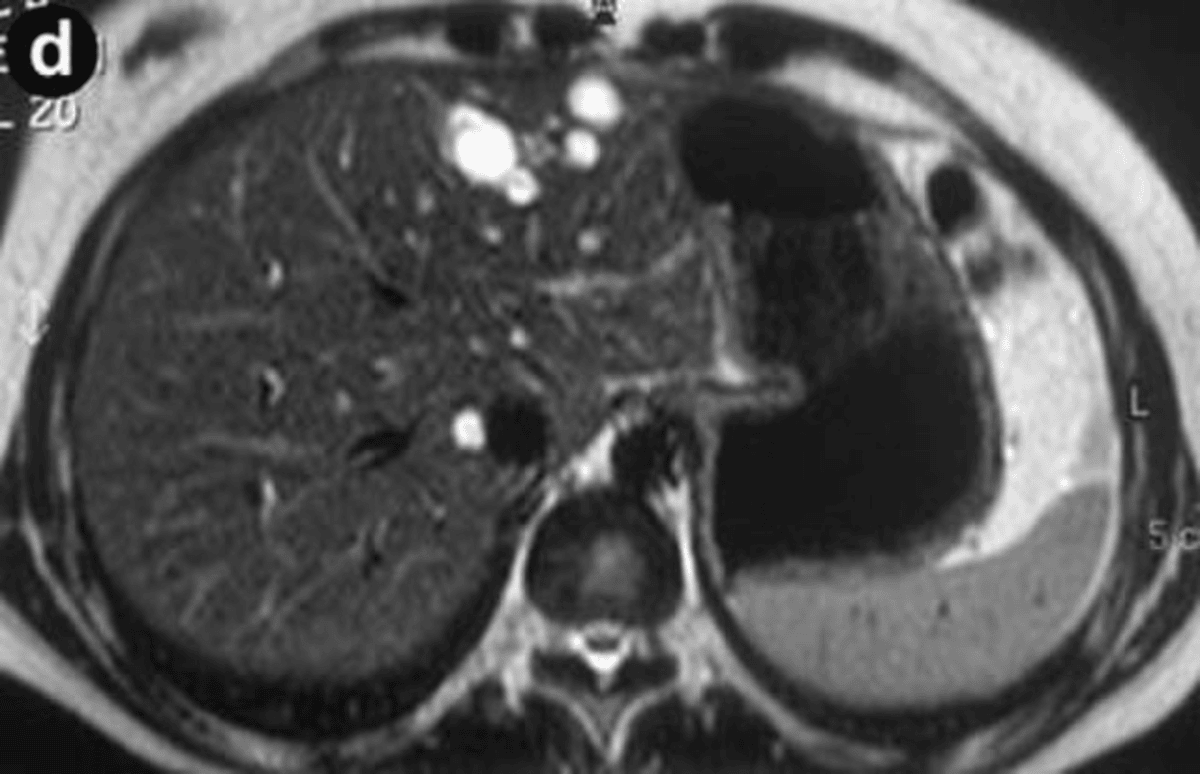
Fatty liver and liver cancer can be detected early using MRI. Consider the Ezra MRI scan, which can help you screen for changes to your liver earlier. Don’t wait until you have symptoms. Book your scan with us to be proactive about your health.
Understand your risk for cancer with our 5 minute quiz.
Our scan is designed to detect potential cancer early.
References
1. NHS. Non-alcoholic fatty liver disease (NAFLD). NHS. July 2025. Accessed December 9, 2025. https://nhsuk-cms-fde-prod-uks-dybwftgwcqgsdmfh.a03.azurefd.net/conditions/non-alcoholic-fatty-liver-disease/
2. Bradford Teaching Hospitals NHS Foundation Trust. MASLD (fatty liver disease). Bradford Teaching Hospitals NHS Foundation Trust. 2025. Accessed December 9, 2025. https://www.bradfordhospitals.nhs.uk/masld/
3. NHS. Alcohol-related liver disease - Treatment. NHS. August 30, 2018. Accessed December 9, 2025. https://nhsuk-cms-fde-prod-uks-dybwftgwcqgsdmfh.a03.azurefd.net/conditions/alcohol-related-liver-disease-arld/treatment/
4. Bachar A, Birk R. Ketogenic Diet Intervention for Obesity Weight-Loss- A Narrative Review, Challenges, and Open Questions. Curr Nutr Rep. 2025;14(1):43. doi:10.1007/s13668-025-00634-3
5. Dyńka D, Rodzeń Ł, Rodzeń M, et al. Ketogenic Diets for Body Weight Loss: A Comparison with Other Diets. Nutrients. 2025;17(6):965. doi:10.3390/nu17060965
6. Paoli A. The Influence of Physical Exercise, Ketogenic Diet, and Time-Restricted Eating on De Novo Lipogenesis: A Narrative Review. Nutrients. 2025;17(4):663. doi:10.3390/nu17040663
7. Vilar-Gomez E, Athinarayanan SJ, Adams RN, et al. Post hoc analyses of surrogate markers of non-alcoholic fatty liver disease (NAFLD) and liver fibrosis in patients with type 2 diabetes in a digitally supported continuous care intervention: an open-label, non-randomised controlled study. Published online February 1, 2019. doi:10.1136/bmjopen-2018-023597
8. Watanabe M, Tozzi R, Risi R, et al. Beneficial effects of the ketogenic diet on nonalcoholic fatty liver disease: A comprehensive review of the literature. Obes Rev. 2020;21(8):e13024. doi:10.1111/obr.13024


