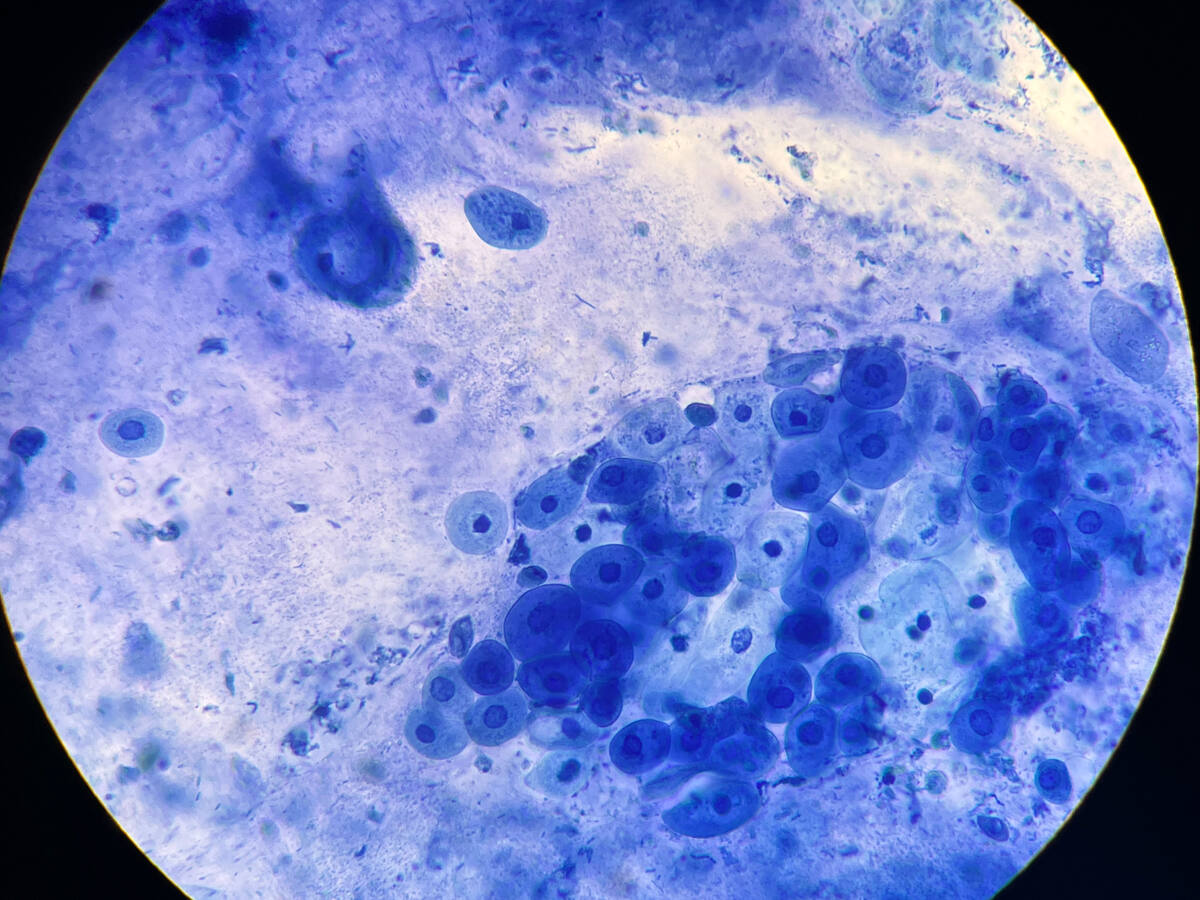
Methylene blue has been hailed to improve cognitive function, act as an anti-ageing agent, and even a cancer fighter. But is it really the wonder compound it’s made out to be, or just another biohacking fad lacking evidence? In this article, we explore what the science actually says, highlight common misconceptions, and examine the unanswered questions around methylene blue and human health.
Methylene blue has a history of diverse applications spanning 120 years. It is both a dye for bodily tissue and a form of medical treatment1.
In the late 19th to early 20th century, methylene blue was used to treat malaria as it was found to inhibit the malaria-causing parasite2. Methylene blue has also been used to treat methemoglobinemia, a rare blood disorder in which red blood cells are no longer capable of carrying oxygen3.
Recently, methylene blue has been utilised as a drug that provides cognitive enhancement, such as improved memory4, and has also been implicated in anti-ageing of the skin and longevity5,6. However, questions remain as to whether methylene blue is the best preventative action against these age-associated changes.
The Science of Methylene Blue: What We Know
A history of medical use
Methylene blue has been used as a medicine for over a century. With the discovery of chloroquine as an anti-malarial drug, its use in the treatment of malaria diminished2.
However, in the UK, methylene blue is still an approved drug for methemoglobinemia in adults7.
As a treatment, methylene blue is very effective in treating methemoglobinemia. In an analysis of 185 methemoglobinemia cases spanning 24 years, administration of methylene blue was found to improve methemoglobinemia in 85 per cent of cases3.
Cellular and mitochondrial effects
Mitochondria are essential structures within cells of humans, animals, plants, and fungi. These structures generate energy for the cell and the body as a whole.
During mitochondrial energy generation, reactive oxygen species (ROS) are produced. As the name suggests, ROS are reactive. ROS can be dangerous within the cell, as their reactivity leads to unregulated reactions that can cause internal distress.
Methylene blue can aid cells and mitochondria in two ways:
- Support mitochondrial function: Research has shown that methylene blue can enhance mitochondrial energy production8.
- Act as an antioxidant: Methylene blue can prevent too many ROS from forming during energy production5.
Cognitive performance claims
Studies also show that methylene blue may improve memory4. However, these findings are early and inconclusive. In a 2023 study using 26 adults, administration of methylene blue was found to enhance brain connectivity, but actual changes to cognitive performance were not tested9.
Currently, human trials of methylene blue are not suitable to make clear conclusions. The trials often have a small sample size, short-term administration instead of long-term (i.e., years), and do not always correlate internal changes to the brain to behaviour changes, such as enhanced memory9.
Popular Claims vs Proven Benefits
Anti-ageing and neuroprotective effects
There have been many big claims surrounding the applications of methylene blue.
Athletic and biohacking uses
The administration of methylene blue to rats has been shown to reduce fatigue, exhaustion, and improve activity when swimming12. However, human evidence is mostly anecdotal, and long-term benefits have not been characterised.
Cancer treatment speculation
Photodynamic therapy (PDT) is a non-surgical technique that uses light to destroy cancerous cells.
The therapy works by exposing a light-sensitive drug to a light source. The light-sensitive drug produces ROS, which subsequently damages the targeted cancer tissue.
Methylene blue is light-sensitive and thus can be used as the drug in this therapy13. Human breast cancer cells have been successfully destroyed using methylene blue PDT14.
However, this is not a cancer cure, and methylene blue PDT has not been approved as a treatment in the UK as of yet.
The Unknowns and Potential Risks
Dosage and formulation confusion
Methylene blue comes in two forms:
- Pharmaceutical-grade (i.e., safe for humans, pure, tested for toxins)
- Industrial-grade (i.e., for use as a dye, contaminated with heavy metals, unsafe for humans).
Taking the right formulation is vitally important to bodily health. The amount taken is also crucial, as high doses of methylene blue can cause toxicity15.
Currently, there are no standardised dosing guidelines for biohackers wanting to improve their cognitive function.
Drug interactions and contraindications
Methylene blue can interact with selective serotonin reuptake inhibitors (SSRIs), a common drug used to treat depression and anxiety. The interaction can lead to serotonin syndrome, a potentially life-threatening condition caused by too much serotonin in the body16.
Thus, methylene blue may not be safe for everyone, and taking this drug requires medical oversight.
Gaps in long-term research
There is a lack of long-term data on methylene blue. Short-term studies indicate it may be safe, but long-term risks are not clear5. Human trials of methylene blue are often limited not just in their length, but also by their sample size and potentially biased results17.
More robust, long-term human trials are needed before claims can be validated.
Summary: Should You Try Methylene Blue?
Early evidence with cell and animal models suggests that methylene blue could promote anti-ageing and improve cognition. This is not only of interest to biohackers, but also for those seeking solutions for life-changing conditions such as Alzheimer’s disease and cancer.
However, the data is inconclusive until large human trials validating these claims and any potential risks are performed. For now, methylene blue should only be taken under medical supervision.
While the evidence base to support the use of methylene blue as a preventative tool is lacking, other options are available. For example, multi-organ scans using magnetic resonance imaging (MRI) technology can detect a variety of early warning signs and bodily changes before serious symptoms arise.
Want to take a more evidence-backed approach to understanding your health? Ezra's MRI Scan is a safe, non-invasive way to screen for potential cancer in up to 14 organs. Get a clearer picture of what’s happening inside your body by booking your scan today.
Understand your risk for cancer with our 5 minute quiz.
Our scan is designed to detect potential cancer early.
References
1. Schirmer RH, Adler H, Pickhardt M, Mandelkow E. “Lest we forget you — methylene blue ….” Neurobiol Aging. 2011;32(12):2325.e7-2325.e16. doi:10.1016/j.neurobiolaging.2010.12.012
2. Lu G, Nagbanshi M, Goldau N, et al. Efficacy and safety of methylene blue in the treatment of malaria: a systematic review. BMC Med. 2018;16(1):59. doi:10.1186/s12916-018-1045-3
3. Rothenberg R, Biary R, Hoffman RS. Effectiveness and tolerability of methylthioninium chloride (methylene blue) for the treatment of methemoglobinemia: twenty-four years of experience at a single poison center. Clin Toxicol. 2025;63(4):284-291. doi:10.1080/15563650.2025.2470428
4. Rojas JC, Bruchey AK, Gonzalez-Lima F. Neurometabolic mechanisms for memory enhancement and neuroprotection of methylene blue. Prog Neurobiol. 2012;96(1):32-45. doi:10.1016/j.pneurobio.2011.10.007
5. Xiong ZM, O’Donovan M, Sun L, Choi JY, Ren M, Cao K. Anti-Aging Potentials of Methylene Blue for Human Skin Longevity. Sci Rep. 2017;7(1):2475. doi:10.1038/s41598-017-02419-3
6. Harrison DE, Strong R, Allison DB, et al. Acarbose, 17-α-estradiol, and nordihydroguaiaretic acid extend mouse lifespan preferentially in males. Aging Cell. 2014;13(2):273-282. doi:10.1111/acel.12170
7. Medicines and Healthcare products Regulatory Agency. Methylthioninium chloride (methylene blue): update on central nervous system (CNS) toxicity. GOV.UK. December 2014. Accessed December 16, 2025. https://www.gov.uk/drug-safety-update/methylthioninium-chloride-methylene-blue-update-on-central-nervous-system-cns-toxicity
8. Tucker D, Lu Y, Zhang Q. From Mitochondrial Function to Neuroprotection – An Emerging Role for Methylene Blue. Mol Neurobiol. 2018;55(6):5137-5153. doi:10.1007/s12035-017-0712-2
9. Rodriguez P, Singh AP, Malloy KE, et al. Methylene blue modulates functional connectivity in the human brain. Brain Imaging Behav. 2017;11(3):640-648. doi:10.1007/s11682-016-9541-6
10. Hosokawa M, Arai T, Masuda-Suzukake M, et al. Methylene Blue Reduced Abnormal Tau Accumulation in P301L Tau Transgenic Mice. PLOS ONE. 2012;7(12):e52389. doi:10.1371/journal.pone.0052389
11. TauRx. TRx-237-007 Phase 3 clinical trial fails to achieve its coprimary endpoints. TauRx. 2016. Accessed December 16, 2025. https://taurx.com/news/older-press-releases/trx-237-007-phase-3-clinical-trial-fails-to-achieve-its-coprimary-endpoints
12. Peng G, Pan W, Cai Z, Lin L, Ma X. Intranasal methylene blue administration confers neuroprotection in rats subjected to exhaustive exercise training. Front Behav Neurosci. 2025;19. doi:10.3389/fnbeh.2025.1648837
13. Taldaev A, Terekhov R, Nikitin I, et al. Methylene blue in anticancer photodynamic therapy: systematic review of preclinical studies. Front Pharmacol. 2023;14:1264961. doi:10.3389/fphar.2023.1264961
14. Dos Santos AF, Terra LF, Wailemann RAM, et al. Methylene blue photodynamic therapy induces selective and massive cell death in human breast cancer cells. BMC Cancer. 2017;17(1):194. doi:10.1186/s12885-017-3179-7
15. Banik RK, Sia T, Johns ME, et al. Methylene blue dose-dependently induces cutaneous inflammation and heat hyperalgesia in a novel rat model. Mol Pain. 2024;20:17448069241259535. doi:10.1177/17448069241259535
16. Ramsay RR, Dunford C, Gillman PK. Methylene blue and serotonin toxicity: inhibition of monoamine oxidase A (MAO A) confirms a theoretical prediction. Br J Pharmacol. 2007;152(6):946-951. doi:10.1038/sj.bjp.0707430
17. Hashmi MU, Ahmed R, Mahmoud S, et al. Exploring Methylene Blue and Its Derivatives in Alzheimer’s Treatment: A Comprehensive Review of Randomized Control Trials. Cureus. 15(10):e46732. doi:10.7759/cureus.46732


