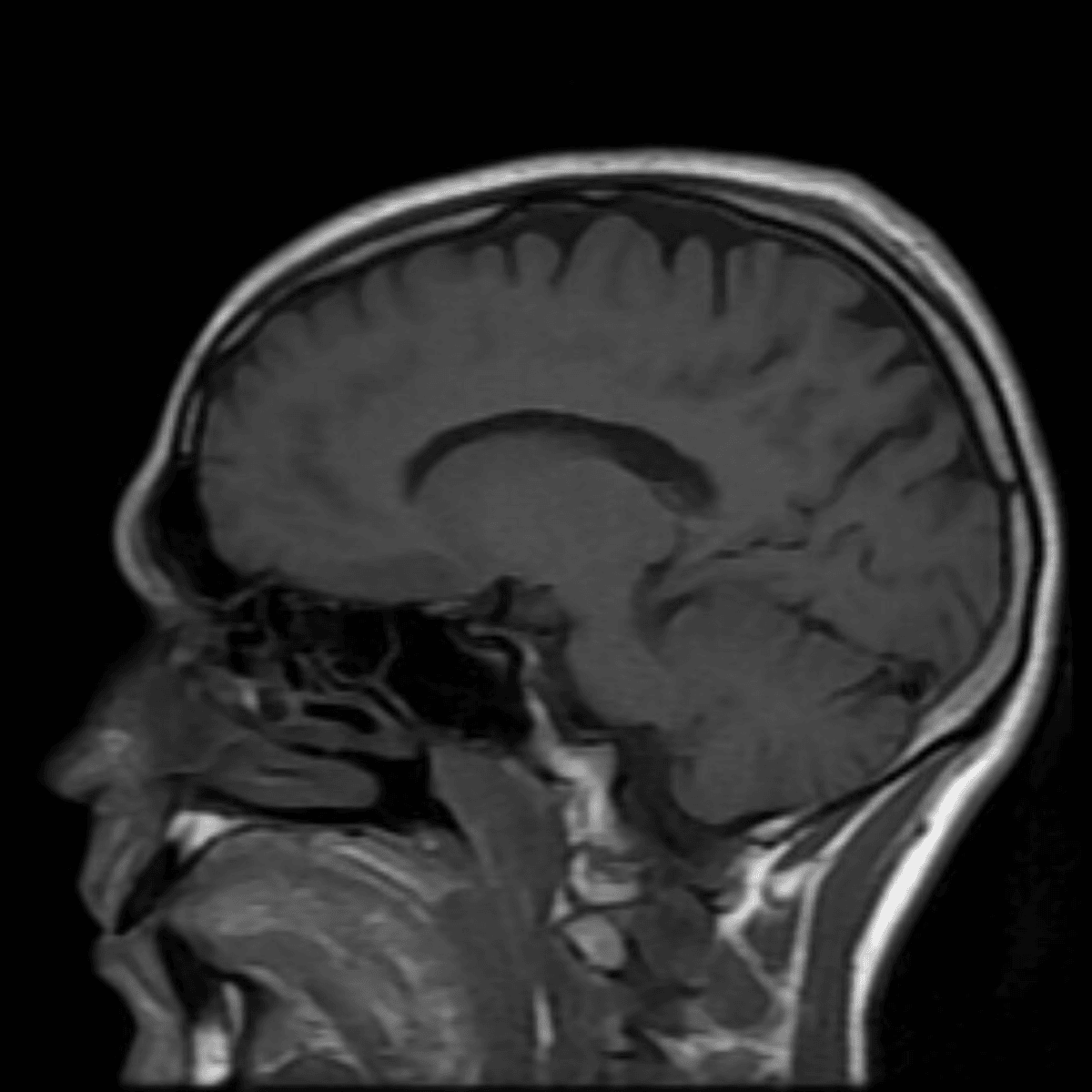
Conditions our MRI scans have found
Brain tumor
Brain tumors are classified as primary, those that arise in the brain, or secondary, those that have spread to the brain from another part of the body. In the United States, about 24,000 people per year are diagnosed with a primary brain tumor. Primary brain tumors usually develop from glial cells, which provide the structural backbone of the brain and support the function of neurons. Most primary brain tumors in adults have no clear risk factors identified.Brain tumors can produce symptoms due to local brain invasion, compression of healthy brain structures and by increasing pressure within the brain (increased intracranial pressure). Symptoms vary based on what parts of the brain are involved.
Brain metastasis
Brain metastases are lesions in the brain from the spread of cancer from other organs to the brain.
Brain hemorrhage
Hemorrhage (bleeding) in the brain is when a blood vessel breaks and bleeds into the brain tissue. A brain hemorrhage is most commonly caused by high blood pressure, ruptured aneurysms, malformations of the blood vessels of the brain and amyloid angiopathy (protein deposits in the brain blood vessels).
Brain tumor
The growth of abnormal cells in the tissues of the brain. Brain tumors can be benign (not cancer) or malignant (cancer).
Breast calcifications
Breast calcifications (hard, dense, calcium deposits within the breast) appear as white spots on imaging.
Breast cyst
Breast cysts are fluid-filled sacs inside the breast. They are usually noncancerous (benign). Although breast cysts can be found in women of any age, they're more common in women before menopause, typically under age 50. Breast cysts also commonly occur in postmenopausal women who take hormone therapy.

Can't find what you're looking for?
Frequently Asked Questions
Unfortunately at this time, we are unable to scan people with pacemakers. There is a risk that the MRI magnetic fields will disrupt its operation, and we don't want that.
There are many different types of implants. We will need to know more about what you have. The good news is that almost all implants are MRI-safe. There is a chance the implant will affect the images we can get from the surrounding tissues.
Yes. Almost all IUDs are MRI-safe. Regardless, we check the MRI safety of all devices. Common MRI-safe IUDs are the Mirena and the Copper T.
Yes you can. There will be extra precautions we will take to ensure your safety while in the machine, so please inform staff before entering the MRI.
Yes. This is completely safe.