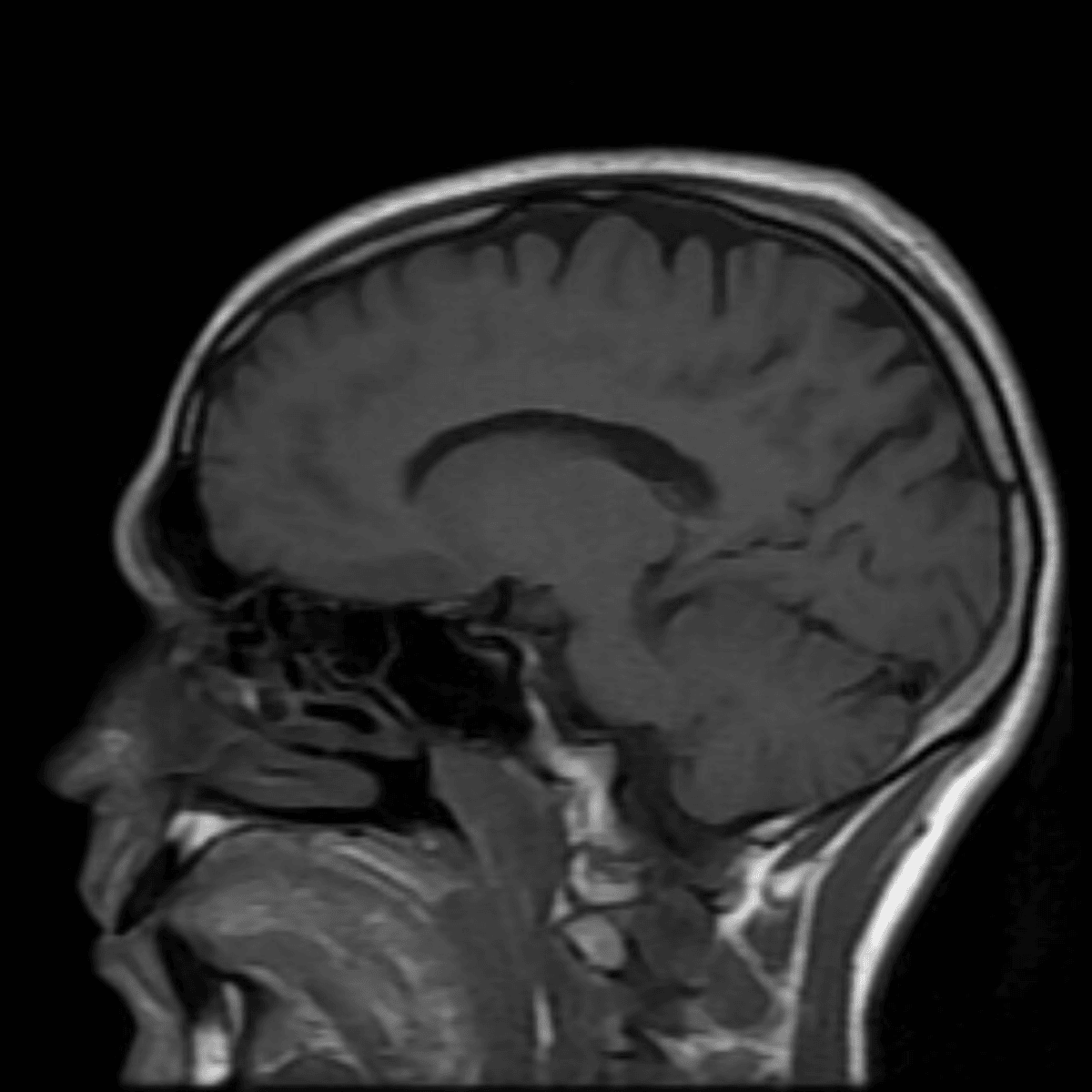
Conditions our MRI scans have found
Ectopic thyroid
Ectopic thyroid describes any part of the thyroid that is not in its normal location. An ectopic thyroid is usually asymptomatic (does not cause symptoms). In rare cases it can be associated with hypothyroidism (a condition in which the thyroid gland is underactive and doesn't produce enough of certain crucial hormones).
Enlarged lymph node
A lymph node is a small bean-shaped structure that is part of the body's immune system. Lymph nodes filter substances that travel through the lymphatic fluid, and they contain lymphocytes (white blood cells) that help the body fight infection and disease. The enlarged lymph node could be due to a current infection, recent/past infection, inflammation or other condition
Enlarged lymph node within the abdomen lies just above the head of pancreas.
A lymph node is a small bean-shaped structure that is part of the body's immune system. Lymph nodes filter substances that travel through the lymphatic fluid, and they contain lymphocytes (white blood cells) that help the body fight infection and disease. Enlarged lymph nodes could be due to a current infection, a recent or past infection, inflammation, or another condition.
Elevated hemidiaphragm
The diaphragm is a thin, dome-shaped muscular structure that is the primary muscle for respiration (breathing), particularly inspiration (breathing in). An elevated hemidiaphragm and diaphragmatic paresis (a condition in which either the right or left side of the diaphragm loses the ability to contract to allow proper inspiration) occurs when one side of the diaphragm (above, at or below) becomes weak from muscular disease or due to injury of the phrenic nerve (the nerve that provides exclusive motor control of the diaphragm and is essential for breathing). Individuals may present with difficulty breathing, but more commonly elevated hemidiaphragm is found on imaging as an incidental finding (found in passing when looking for something else), and individuals are asymptomatic (do not have symptoms).
Enlarged porta hepatis lymph node
The porta hepatis is an area on the surface of the liver where major ducts and blood vessels of the liver enter and exit; there are also nerves and lymph nodes in this region. A lymph node is a small bean-shaped structure that is part of the body's immune system. Lymph nodes filter substances that travel through the lymphatic fluid, and they contain lymphocytes (white blood cells) that help the body fight infection and disease. An enlarged lymph node could be due to a current infection, a recent or past infection, inflammation, or another condition.
Endometriosis
Endometriosis (also known as an endometrial implant) is when cells similar to those lining the uterus grow outside the uterus. It is unclear what causes this condition to happen. While endometriosis is a common and non-cancerous process, the presence of endometrial tissue outside the uterus and its resultant inflammation can cause women to have pelvic pain that is related to their menstrual cycle, pain during intercourse, pain with urination or difficulty getting pregnant.

Can't find what you're looking for?
Frequently Asked Questions
Unfortunately at this time, we are unable to scan people with pacemakers. There is a risk that the MRI magnetic fields will disrupt its operation, and we don't want that.
There are many different types of implants. We will need to know more about what you have. The good news is that almost all implants are MRI-safe. There is a chance the implant will affect the images we can get from the surrounding tissues.
Yes. Almost all IUDs are MRI-safe. Regardless, we check the MRI safety of all devices. Common MRI-safe IUDs are the Mirena and the Copper T.
Yes you can. There will be extra precautions we will take to ensure your safety while in the machine, so please inform staff before entering the MRI.
Yes. This is completely safe.