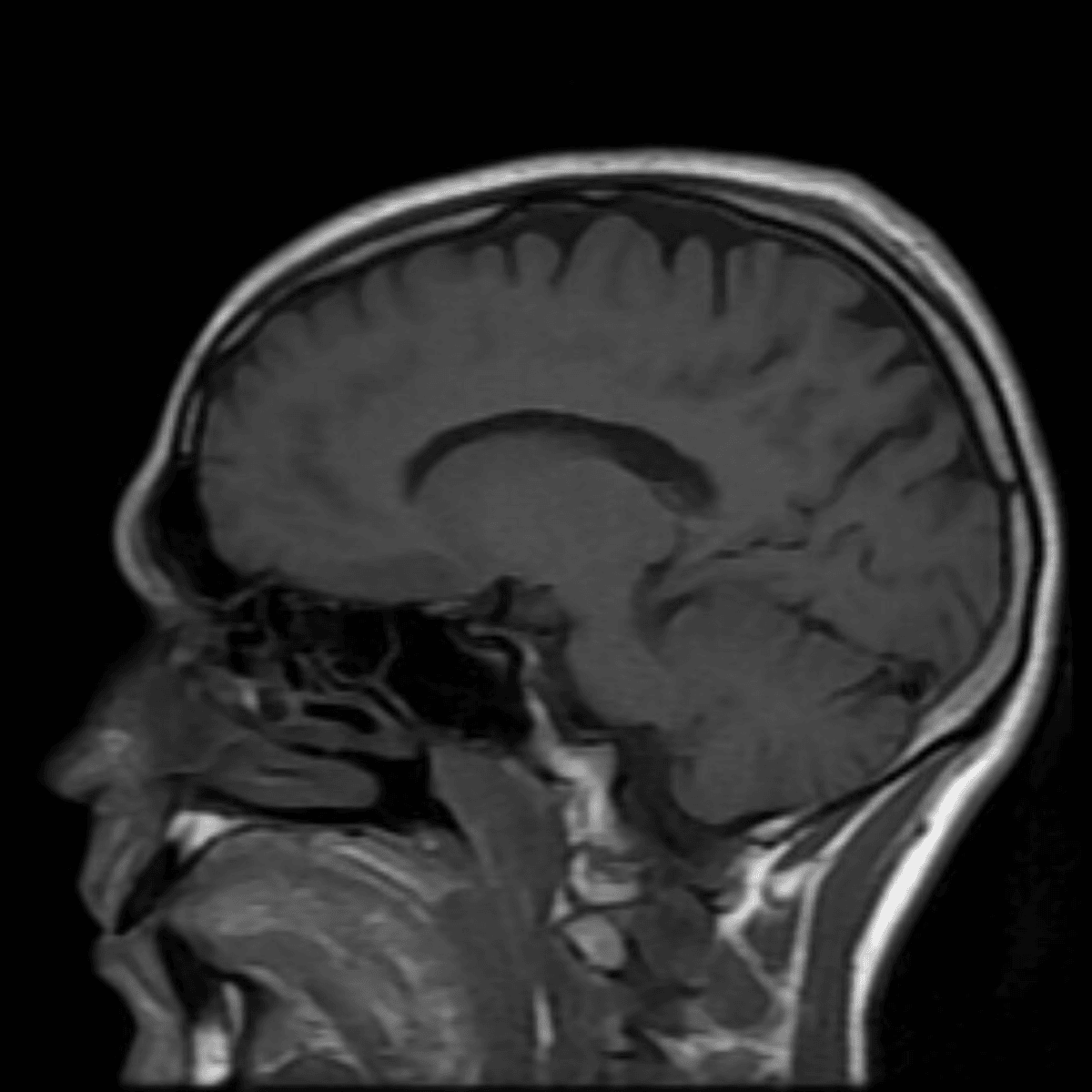
Conditions our MRI scans have found
Lymphadenopathy
Lymph nodes are small bean-shaped structures that are part of the body's immune system. They filter substances that travel through the lymphatic fluid, and they contain lymphocytes (white blood cells) that help the body fight infection and disease. There are hundreds of lymph nodes found throughout the body. Adenopathy (also known as lymphadenopathy) refers to lymph nodes that have become enlarged or swollen due to an infection.
Lymphoma of nasal cavity
Lymphoma is a cancer starting in immune system cells called lymphocytes. They can occur in the nasal cavity and are the third most common cancer found in this area.
Lymphoma of paranasal sinus
Lymphoma is a cancer starting in immune system cells called lymphocytes. They can occur in the paranasal sinuses and are the third most common cancer found in this area.
Liver Cirrhosis
Cirrhosis is scarring of the liver that can be caused by many forms of liver diseases and conditions, such as chronic viral infections of the liver (i.e. hepatitis B and hepatitis C), fatty liver, or chronic alcohol use disorder. It is an irreversible condition. Cirrhosis is often asymptomatic (does not cause symptoms) until liver damage is severe. Symptoms, when present, may include fatigue, easy bleeding or bruising, loss of appetite, nausea, fever, and unexpected weight loss.
Lipoma
Lipomas are the most common type of benign (non-cancerous) fat-containing masses and demonstrate a characteristic appearance on MRI. The cause is not fully understood, but there is a genetic factor as they typically run in families. Usually these tumors do not cause symptoms, but can become painful if large and pressing on nearby nerves.
Liver hemangioma
Hemangiomas are benign (non-cancerous) growths that develop from blood vessels. Hemangiomas of the skin are often visible as red, raised birthmarks that generally fade on their own; hemangiomas can also form on internal organs. Most hemangiomas cause no symptoms, but for those that do, symptoms (i.e. pain, numbness) vary depending on the size and location of the tumor.

Can't find what you're looking for?
Frequently Asked Questions
Unfortunately at this time, we are unable to scan people with pacemakers. There is a risk that the MRI magnetic fields will disrupt its operation, and we don't want that.
There are many different types of implants. We will need to know more about what you have. The good news is that almost all implants are MRI-safe. There is a chance the implant will affect the images we can get from the surrounding tissues.
Yes. Almost all IUDs are MRI-safe. Regardless, we check the MRI safety of all devices. Common MRI-safe IUDs are the Mirena and the Copper T.
Yes you can. There will be extra precautions we will take to ensure your safety while in the machine, so please inform staff before entering the MRI.
Yes. This is completely safe.