Conditions our MRI scans have found
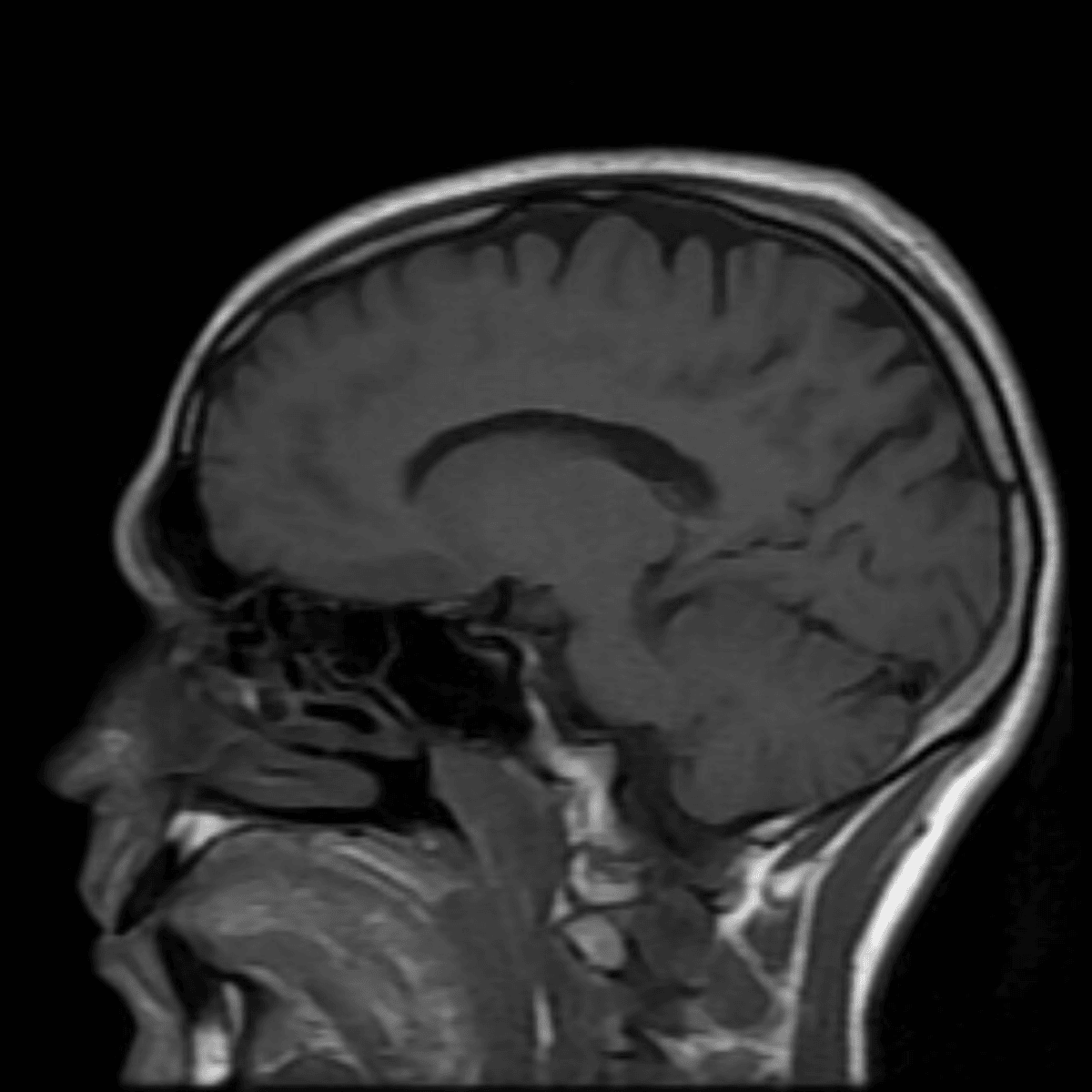
Normal pressure hydrocephalus
Normal pressure hydrocephalus (NPH) is a condition that is caused by an abnormal buildup of cerebrospinal fluid (CSF) in the ventricles (cavities or spaces) of the brain without an increase in intracranial pressure. Cerebrospinal fluid is a clear liquid that circulates around the brain and spinal cord, cushioning and protecting them from damage. With NPH, an excess of cerebrospinal fluid is present because the body cannot properly drain and absorb the fluid. The differences between NPH and other forms of hydrocephalus is that even though there is a larger than normal amount of CSF, the pressure inside the ventricles remains the same.Normal pressure hydrocephalus most often occurs in people over age 60. The exact cause of normal pressure hydrocephalus (NPH) is not clear. However, in some cases, NPH can occur as a result of other conditions such as bleeding around the brain from head injuries/stroke or infections such as meningitis.
Old infarct
An infarct (short for infarction) is a stroke caused by an interruption of a healthy blood supply to the brain. Old infarcts are not reversible. They are most commonly caused by the same risk factors that cause heart disease, including high blood pressure, poor cholesterol levels, diabetes, smoking and sometimes emboli (small particles such as blood clots or plaque that traveled from other parts of the body).
Paraganglioma of the head and neck
A paraganglioma is an abnormal growth of cells (tumor) that forms from nerve cells found throughout the body. These nerve cells perform important functions in the body, including regulating blood pressure. Paragangliomas are found in the neck near the carotid artery or within the skull, the abdomen, or the chest.
Pancreatic exocrine tumor
Most pancreatic cancers are exocrine tumors. Tumors are an abnormal mass of tissue that forms when cells grow and divide more than they should or do not die when they should. A pancreatic exocrine tumor forms in cells that make enzymes to help the body digest food.
Pancreatic lipoma
Lipomas are the most common type of benign (non-cancerous) fat-containing masses and demonstrate a characteristic appearance on MRI. The cause is not fully understood, but there is a genetic factor as they typically run in families. Usually these tumors do not cause symptoms, but can become painful if large and pressing on nearby nerves.
Pancreatic neoplasm/tumor
A neoplasm (also called a tumor) refers to an abnormal mass of tissue that forms when cells grow and divide more than they should or do not die when they should. A pancreatic neoplasm or tumor is a massthat forms in the cells of the pancreas. The two main types of pancreatic tumors are pancreatic exocrine tumors and pancreatic neuroendocrine tumors.

Can't find what you're looking for?
Frequently Asked Questions
Unfortunately at this time, we are unable to scan people with pacemakers. There is a risk that the MRI magnetic fields will disrupt its operation, and we don't want that.
There are many different types of implants. We will need to know more about what you have. The good news is that almost all implants are MRI-safe. There is a chance the implant will affect the images we can get from the surrounding tissues.
Yes. Almost all IUDs are MRI-safe. Regardless, we check the MRI safety of all devices. Common MRI-safe IUDs are the Mirena and the Copper T.
Yes you can. There will be extra precautions we will take to ensure your safety while in the machine, so please inform staff before entering the MRI.
Yes. This is completely safe.