Conditions our MRI scans have found
Pituitary gland cyst
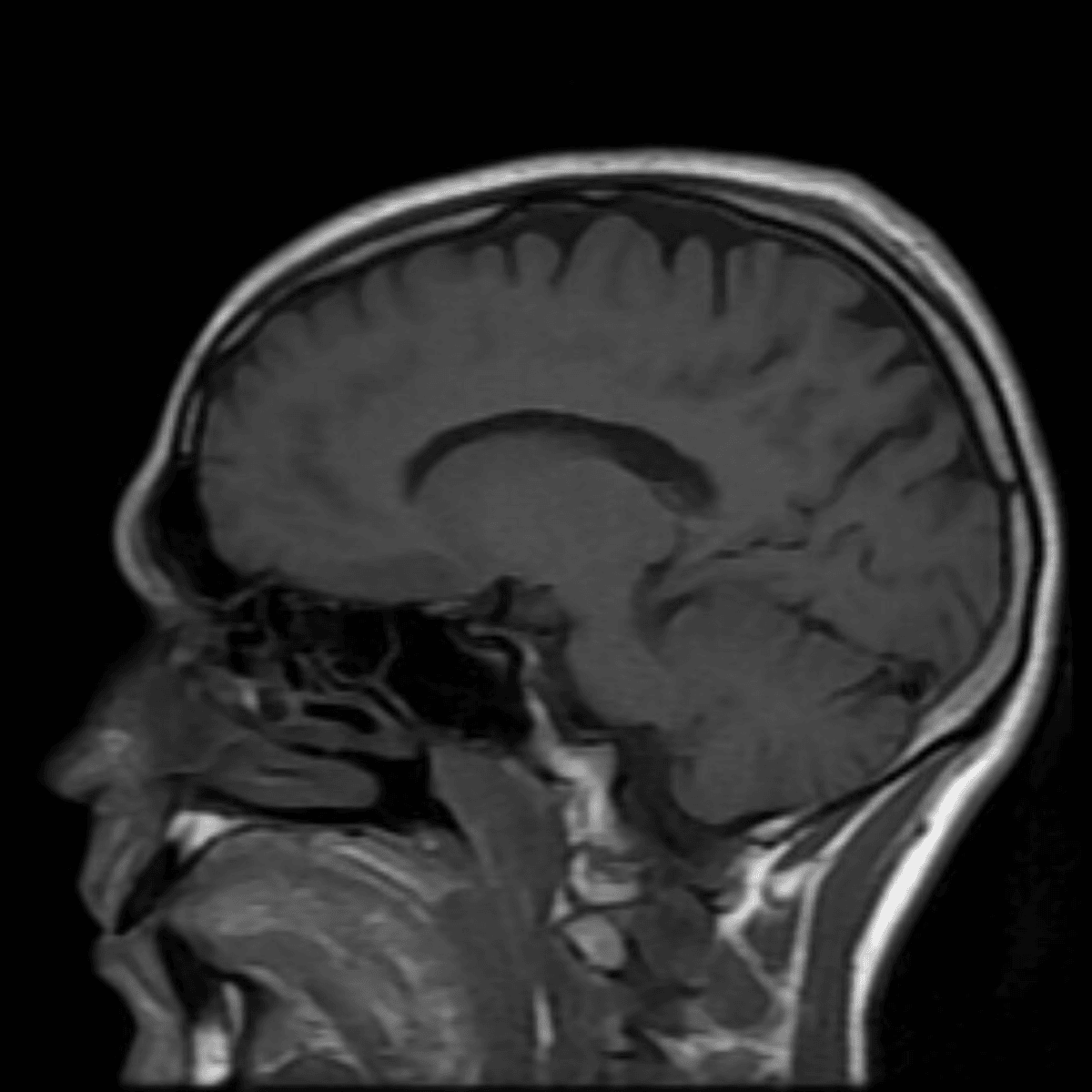
The pituitary gland is a small gland that sits in the sella turcica, a saddle-shaped depression located in the bone at the base of the skull. It produces hormones that control many different processes in the body, including metabolism, growth and reproduction. A cyst (fluid-filled pouch) can also arise from the pituitary gland. Pituitary cysts are not cancerous. Sometimes the fluid increases, putting pressure on the pituitary gland or on nearby nerves or brain tissue and causing symptoms such as headaches, visual impairment, and/or hormone changes.
Primary sclerosing cholangitis
Primary sclerosing cholangitis (PSC) is a rare, chronic (long-term) disease that slowly damages the bile ducts. Bile is a digestive liquid that is made in the liver. It travels through the bile ducts to the gallbladder and the small intestine, where it helps digest fats and fatty vitamins.
Polycystic liver disease
Polycystic liver disease (PLD) is characterized by the presence of multiple fluid-filled liver cysts. Although a clear definition of PLD is absent, current literature defines PLD as having more than 20 liver cysts.
Prior myomectomy
MRI images reflect known medical history of surgical removal of your uterine fibroids.
Postsurgical changes consistent with prior hysterectomy
MRI images reflect known medical history of surgical removal of the uterus.
Polycystic ovary
Polycystic ovaries is an abnormally high number (more than 12) of visible follicles in the ovaries. It is referred to as polycystic ovarian morphology (PCOM). This can also cause the ovaries to appear large in size. This condition is associated with polycystic ovary syndrome (PCOS) but is not the only criteria required or necessary to be diagnosed

Can't find what you're looking for?
Frequently Asked Questions
Unfortunately at this time, we are unable to scan people with pacemakers. There is a risk that the MRI magnetic fields will disrupt its operation, and we don't want that.
There are many different types of implants. We will need to know more about what you have. The good news is that almost all implants are MRI-safe. There is a chance the implant will affect the images we can get from the surrounding tissues.
Yes. Almost all IUDs are MRI-safe. Regardless, we check the MRI safety of all devices. Common MRI-safe IUDs are the Mirena and the Copper T.
Yes you can. There will be extra precautions we will take to ensure your safety while in the machine, so please inform staff before entering the MRI.
Yes. This is completely safe.