Conditions our MRI scans have found
Rib partial congenital fusion/deformity
Ribs found fused together (also called rib synostosis) can either be congenital (from birth) or from past trauma. This is usually asymptomatic (does not cause symptoms), but can cause symptoms including a physical bump in the affected area, pain/numbness in the limb on the same side as the fusion, and difficulty taking a full breath.
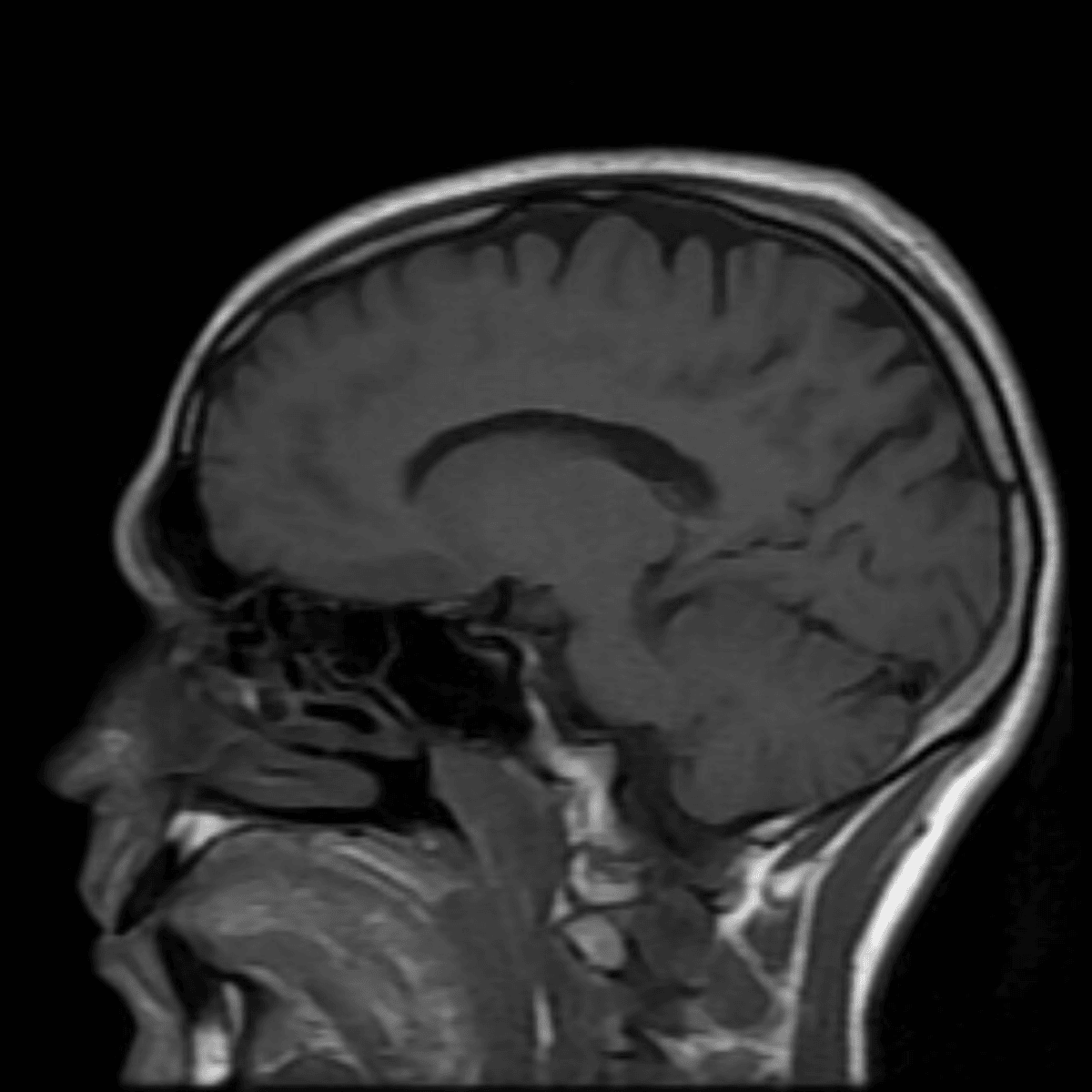
Scattered foci of T2 hyperintensities involving the supratentorial white matter
The supratentorial area is the upper part of the brain and the infratentorial area is the lower back part of the brain. White matter is the brain tissue that contains nerve fibers and serves as the connection to other parts of the brain. White matter hyperintensities are areas with high water or protein content that show up bright and are common changes seen on MRI in asymptomatic individuals (those with no symptoms). Their prevalence increases with age, to nearly 100% in those older than 90 years. The possible causes of white matter hyperintensities include chronic microvascular ischemic changes, vasculitis (blood vessel inflammation), migraine, Lyme disease or (less likely) demyelinating disease.
Sarcoidosis
Sarcoidosis is a disease characterized by the growth of tiny collections of inflammatory cells (granulomas) in any part of your body — most commonly the lungs and lymph nodes.
Sebacious cysts
Sebaceous cysts may be caused by blocked glands or swollen hair follicles in the skin.
Sebaceous cyst within the soft tissues of the neck
A cyst usually is a slow-growing lump that can move easily under the skin. Sebaceous cysts may be caused by blocked glands or swollen hair follicles in the skin. Trauma to the skin has often been reported as well. Other times, cysts are inherited.
Seroma
A seroma is a collection of serum - the fluid, non-cellular component of blood. This is a common finding after surgery, especially with breast or abdominal procedures.Seromas can sometimes become infected requiring treatment with antibiotics. They can interfere with healing of a surgical site and may require drainage if they are large. However, they do not always need treatment, and smaller seromas often spontaneously resolve after months or years.

Can't find what you're looking for?
Frequently Asked Questions
Unfortunately at this time, we are unable to scan people with pacemakers. There is a risk that the MRI magnetic fields will disrupt its operation, and we don't want that.
There are many different types of implants. We will need to know more about what you have. The good news is that almost all implants are MRI-safe. There is a chance the implant will affect the images we can get from the surrounding tissues.
Yes. Almost all IUDs are MRI-safe. Regardless, we check the MRI safety of all devices. Common MRI-safe IUDs are the Mirena and the Copper T.
Yes you can. There will be extra precautions we will take to ensure your safety while in the machine, so please inform staff before entering the MRI.
Yes. This is completely safe.