Pelvic floor laxity
Pelvic floor laxity is the weakening of the muscles of the pelvic floor, which can lead to the inability to control these muscles (pelvic floor dysfunction). Pelvic floor muscles support the organs in the pelvis, and some form a sling around the rectum and vagina.
Retractile testicle
The inguinal canal is a passage in the abdominal wall near the groin. In men it serves as a pathway through which the spermatic cords can pass from the abdominal wall to the external genitalia. There is one inguinal canal in each groin. Some individuals have a retractile testicle, in which the testicle is drawn into the inguinal canal by the cremaster muscle reflex. This reflex is elicited when the inner part of the thigh is touched, causing the cremaster muscle to pull up the testicle into the inguinal canal. If the testicle can be manually moved back into the scrotum and stay in the scrotum on its own, it is not considered a serious health condition. Retractile testicles generally do not need to be treated unless you are having testicular discomfort or infertility issues.
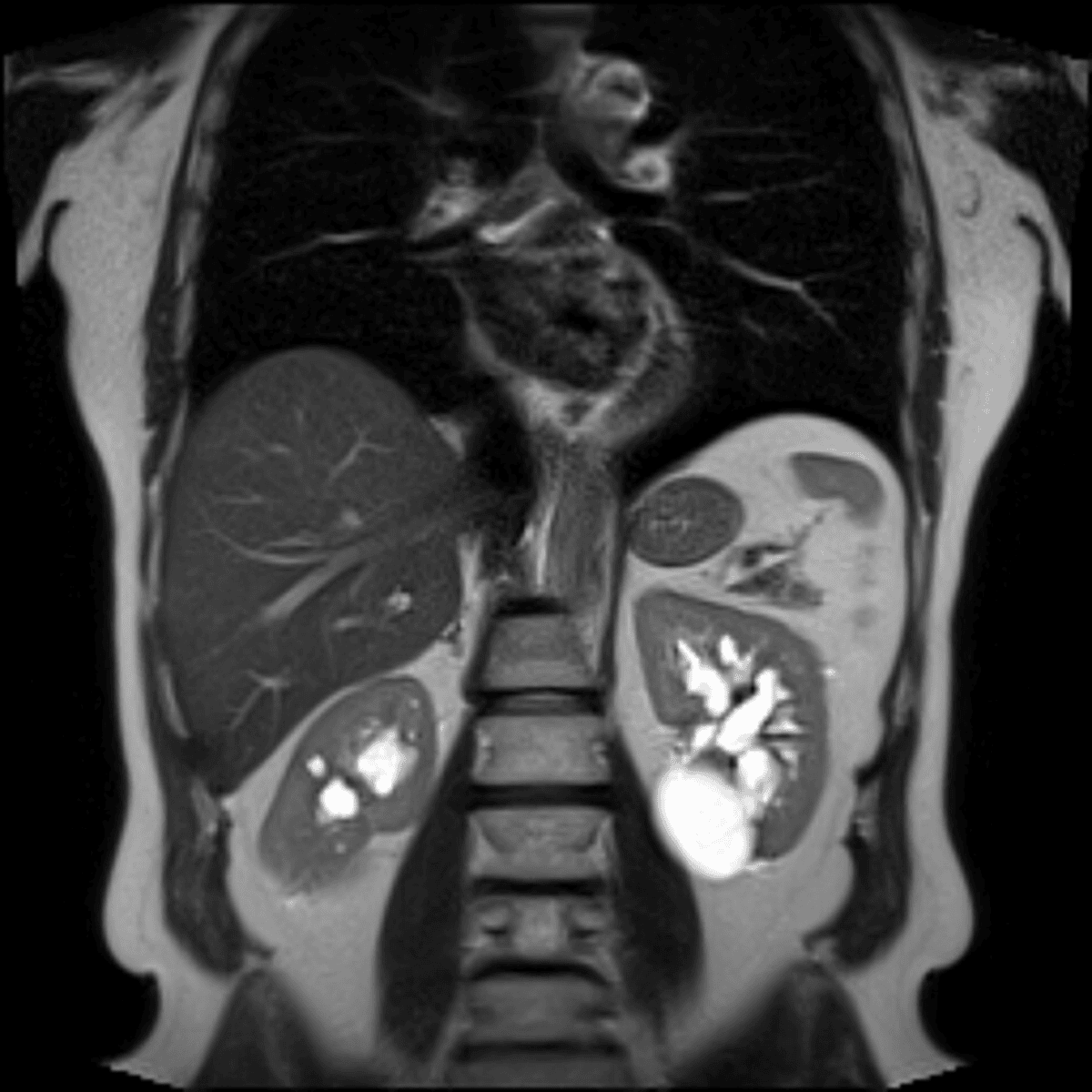
renal papillary necrosis
Kidney (renal) papillae are areas in the kidney where urine flows through. Renal papillary necrosis is a disorder of the kidneys in which all or part of the renal papillae die. This condition can reduce kidney function and can lead to kidney failure.
Vocal cord dysfunction (Inducible laryngeal obstruction)
The vocal cords are folds in the voice box (larynx) that open to let air into the lungs. When the vocal cords look thicker than usual or asymmetric on imaging, this can be associated with vocal cord dysfunction - when the vocal cords do not open normally. Vocal cord dysfunction symptoms can include difficulty breathing or speaking and coughing. The causes vary, and can include post nasal drip, acid reflux and vocal cord nerve paralysis (i.e. nerve damage).
Vocal cord paralysis
Vocal cord paralysis occurs when the nerve impulses to the voice box (larynx) are disrupted. This results in paralysis of the vocal cord muscles. In most cases of vocal cord paralysis, only one vocal cord is paralyzed. Vocal cord paralysis can affect the ability to speak and even breathe. Vocal cords not only produce sound, but they also protect the airway by preventing food, drink and even saliva from entering the windpipe (trachea) which could cause choking. When vocal cord paralysis has been diagnosed, a cause should be actively sought. Possible causes include nerve damage during surgery, viral infections and certain cancers.