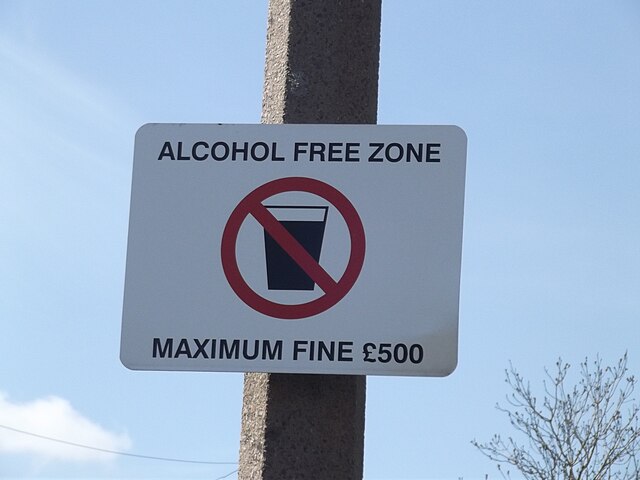
While many people start Dry January to reset after the festive season, the benefits go far beyond a clearer head or better sleep. Alcohol is a known risk factor for several cancers, even at moderate levels. This article explores the science behind alcohol and cancer risk, and how taking a break from drinking in January can be a powerful step towards long-term health awareness and lifestyle change.
The Dry January Challenge started in 2013 when 4,000 people agreed to stop drinking alcohol for the whole of January. In 2025, over 200,000 people took part1. The benefits of Dry January go just beyond a New Year’s reset; it can be a gateway to making small changes that can provide huge health benefits in the long run.
Alcohol is part of British culture; on average, people drink 21 units of alcohol a week2. This is over the recommended 14 units a week suggested by the NHS3. The risks that alcohol poses to health start after the first drink. These include increased risk of heart disease, liver disease, brain damage, stroke, and mouth, throat, and breast cancer.
While most people understand that alcohol is not a healthy choice, many still believe that light and moderate drinking is safe. In reality, there is no safe level of alcohol consumption4, and even taking a month off can bring amazing health benefits for your body and mind.
The Evidence: How Alcohol Increases Cancer Risk
Alcohol is considered a Group 1 Carcinogen, meaning that there is a lot of evidence proving that alcohol consumption can lead to cancer. Other Group 1 carcinogens include asbestos, ultraviolet (UV) radiation from the sun, and tobacco products4.
In the UK, alcohol has been associated with around 3.3 per cent of all cancers, which translates to 11,900 cases5. Even moderate drinking has been shown to increase the risk of several cancers, including breast, bowel, mouth, throat, and liver, amongst others4,5.
The biological mechanism
Cancer is caused when the deoxyribonucleic acid (DNA) inside cells is damaged. This leads to the cells acting abnormally, and they divide into other abnormal cells. If allowed to accumulate, these cells can form pre-cancerous growth or tumours6.
Alcohol generates toxic products like acetaldehydes and reactive oxygen species, which cause a lot of DNA damage, encouraging tumor formation, and also increasing the risk for several other diseases5,7.
When certain hormone levels are uncontrolled, this can contribute to how fast cells divide, leading to the accumulation and development of pre-cancerous or cancerous growths. For example, high levels of oestrogen or insulin can lead to increase risk of breast and bowel cancers8,9.
The immune system is the first line of defence against these abnormal cells. Poor exercise choices and diet, including alcohol consumption, make the immune system less effective. If your diet does not contain enough protective nutrients like folate or antioxidants, which can help protect your cells from DNA damage, your body is not as good at identifying and preventing growths10.
Misconceptions around “moderation”
The NHS3 and WHO4 both state that there is no safe level of alcohol. Alcohol increases the risk of cancer with the first drink. Since drinking is such a big part of British culture, regular alcohol consumption has been completely normalised, and understanding of the actual risks of alcohol is lacking.
The NHS suggests that you should consume less than 14 units per week, spread across at least 3 days, with some alcohol free days in between. A standard glass of wine has 2.1 units, a pint of beer is 2-3 units, and an alcopop contains 1.3 units11. These can add up quickly; 3-4 drinks (6-8 units for women and men) in one sitting is considered binge drinking12.
The Benefits of Taking a Break
Short-term wins of Dry January
Consuming no alcohol for just one month can lead to1:
- Decreased risk of cancer and heart disease
- Altered liver fat
- Reduced cholesterol
- Improved blood sugar
- Weight loss
- Better sleep
- Lower blood pressure
Mental clarity and habit re-evaluation
Dry January can support mental clarity by improving sleep, reducing stress, and creating space to observe emotional patterns without alcohol.
Removing alcohol can be a powerful reset. Without the brain fog of hangovers or poor sleep, people often report better moods, sharper focus, and mental clarity. This can make it easier to see what role alcohol plays in your life. Triggers like unwinding after work, easing social anxiety, and celebrating daily wins can be difficult to spot if you’re on autopilot.
Dry January invites people to experiment with fresh coping mechanisms, alcohol-free socialising, and non-alcoholic relaxation rituals. This could help identify situations that reliably trigger the urge to drink, and really make you think if you needed alcohol at all in that situation. Dry January then becomes less about gritting your teeth through 31 days and more about reflecting and reevaluating what role alcohol plays in your life, if any.
Risk reduction and longer-term behaviour shift
Since the risks that alcohol poses increase the more you drink, even just cutting down can provide improvements for your health. Making small changes can help you build better habits, which can set you up for a longer, healthier, happier life.
Those who participated in Dry January reported the following improvements to their life13:
- 86% had saved money
- 81% felt more in control of their drinking
- 70% slept better
- 67% had better concentration
- 66% had more energy
- 65% had generally improved health
- 54% lost weight
6 months after the conclusion of Dry January, participants still showed13:
- Lower reported drinking scores
- Improved wellbeing
- Greater confidence in refusing drinks
This was even reported amongst those who did not have a completely alcohol free month. These people reported feeling more in control and reducing their drinking. So perfection is not the aim; it's about taking a step back and feeling in control. Many benefits were felt by everyone who participated.
Importantly, there is no evidence that Dry January leads to rebound drinking in February13.
Alcohol, Cancer, and Ezra: Why Screening Still Matters
Though alcohol does raise the risk of certain cancers, it is just one factor amongst many: family history, other health conditions, diet, exercise, and environment. January is the perfect time for a health check to stay proactive and gain peace of mind.
Annual health audits as part of prevention
You can go to your GP and ask them to look at your height, weight, blood pressure, cholesterol, etc., to make sure things are ticking over well. This is especially helpful for identifying diseases and cancers before they develop into something serious, giving you the best possible range of treatments.
Ezra Multi-Organ MRI: Supporting early detection
The earlier a cancer can be diagnosed, the more that can be done to treat it and the better the chance of survival14.
Modern imaging techniques like Magnetic Resonance Imaging (MRI) can be used to detect cancers early, before symptoms become obvious. Especially since many cancers are not routinely screened for15. This provides patients and doctors with more options for treatment, which could be less invasive, less aggressive, and preserve the patient’s quality of life.
Ezra’s scan screens for signs of potential cancer in up to 14 organs. These scans are non-invasive, fast, and reviewed by radiologists. Especially useful for those who are at high risk of cancer.
Conclusion
In conclusion, alcohol significantly elevates cancer risk as a Group 1 carcinogen, with even moderate consumption contributing to thousands of UK cases annually.
Dry January encourages people to stop drinking for one month, which has led to lasting benefits felt by everyone who participated, even if they did not manage a full month completely alcohol-free.
By embracing small, consistent changes to improve your general health, alongside an annual health check and proactive MRI screening, people are setting themselves up for a happier and healthier year ahead.
Take control this January. An Ezra MRI can help catch early signs of cancer and other health conditions, providing peace of mind, clarity, and a powerful foundation for a healthier year ahead. Book today!
Understand your risk for cancer with our 5 minute quiz.
Our scan is designed to detect potential cancer early.
References
1. Alcohol Change UK. The Dry January® story. Alcohol Change UK. Accessed January 28, 2026. https://alcoholchange.org.uk/help-and-support/managing-your-drinking/dry-january/about-dry-january/the-dry-january-story
2. Drink Aware. Global Comparisons. Accessed January 28, 2026. https://www.drinkaware.co.uk/research/alcohol-facts-and-data/global-comparisons
3. NHS. Alcohol units. nhs.uk. January 17, 2022. Accessed January 28, 2026. https://www.nhs.uk/live-well/alcohol-advice/calculating-alcohol-units/
4. WHO. No level of alcohol consumption is safe for our health. Accessed January 13, 2026. https://www.who.int/europe/news/item/04-01-2023-no-level-of-alcohol-consumption-is-safe-for-our-health
5. Alcohol Change UK. Alcohol and cancer. Alcohol Change UK. Accessed January 13, 2026. https://alcoholchange.org.uk/alcohol-facts/fact-sheets/alcohol-and-cancer
7. Wang Y, Xu M, Ke Z ji, Luo J. Cellular and molecular mechanisms underlying alcohol-induced aggressiveness of breast cancer. Pharmacol Res. 2017;115:299-308. doi:10.1016/j.phrs.2016.12.005
8. Rachdaoui N, Sarkar DK. Effects of Alcohol on the Endocrine System. Endocrinol Metab Clin North Am. 2013;42(3):593-615. doi:10.1016/j.ecl.2013.05.008
9. NHS. Endogenous Hormones and Breast Cancer. Accessed January 23, 2026. https://www.ceu.ox.ac.uk/research/endogenous-hormones-and-breast-cancer
10. Emanuele N, Emanuele MA. The Endocrine System. Alcohol Health Res World. 1997;21(1):53-64.
11. NHS. Alcohol units. nhs.uk. January 17, 2022. Accessed January 28, 2026. https://www.nhs.uk/live-well/alcohol-advice/calculating-alcohol-units/
12. Alcohol Change UK. What counts as binge drinking? Alcohol Change UK. Accessed January 28, 2026. https://alcoholchange.org.uk/blog/what-counts-as-binge-drinking
13. The evidence behind the Dry January® challenge: benefits and long-term impact. Alcohol Change UK. Accessed January 28, 2026. https://alcoholchange.org.uk/help-and-support/managing-your-drinking/dry-january/about-dry-january/the-evidence-behind-the-dry-january-challenge-benefits-and-long-term-impact
14. Cancer Research UK. Why is early cancer diagnosis important? | Cancer Research UK. Accessed January 14, 2026. https://cancerresearchuk.org/about-cancer/spot-cancer-early/why-is-early-diagnosis-important
15. Cancer Research UK. Screening for liver cancer. Accessed January 21, 2026. https://www.cancerresearchuk.org/about-cancer/liver-cancer/getting-diagnosed/screening


