January brings more than resolutions – it’s a natural reset point for your health. Instead of vague goals, make this the month you get serious about your well-being. From reviewing lifestyle habits to scheduling critical screenings like your annual Ezra MRI scan, this guide will help you turn January into a proactive health audit that sets the tone for the year ahead.
After the chaos and indulgence of the holidays, January offers us a chance to slow down and consider what we want for the year ahead. We are motivated to make better choices and establish healthier habits moving forward. By taking charge and investing in your health, you can set a strong foundation that will last for years to come.
What Is a Health Audit and Why Does It Matter?
A Health Audit is an appointment with a doctor or healthcare professional to make sure you’re in good health. You can think of them like an MOT for your body, where you undergo some basic tests make sure you are running smoothly, and to spot potential problems before they can cause long-term damage.
NHS Health Checks are a service for people aged 40-74 who do not have any obvious symptoms or pre-existing conditions like heart disease or diabetes. Things like weight, cholesterol, and blood pressure are measured1, which often go unnoticed in our day-to-day lives. However, these all have the potential to affect the development of other health conditions.
For example, if high blood pressure or pre-diabetes are identified early enough, they can be reversed by lifestyle changes. These could include diet, exercise, and managing stress. By implementing these, it is possible to reverse a pre-diabetic diagnosis2 and high blood pressure3 without medication. This significantly reduces your risk of developing something like heart disease or stroke4 later in life.
The power of prevention
The earlier something is spotted, the more that can be done about it.
For cancers such as stomach or liver5, there are often no early symptoms. The lack of regular screening for these conditions means that diagnosis often occurs late and requires aggressive or invasive treatments.
Chronic conditions such as kidney disease also have more treatment options and better patient outcomes if diagnosed early. Symptoms such as changes to urine or high blood pressure are not easy to spot, and once present, damage may be irreversible6.
Peace of mind and control
Sensible diet and lifestyle choices are the best thing we can do for our health, but sometimes we need a nudge. This could be advice to get more active from our doctor or a high cholesterol warning from a Health Audit.
Taking proactive steps towards understanding what is normal for you and learning achievable ways to improve can help ease anxieties about health and regain a feeling of control. A healthcare professional can help identify and set achievable goals and encourage you to stay on track.
Being well-informed and knowing where support is can help empower you to make smart, lasting choices for your health.
Key Areas to Review in Your January Health Audit
Lifestyle habits: diet, sleep, movement
Small lifestyle changes can have huge effects on your health.
Diet:
The NHS Eat Well Guide outlines what is required for a balanced diet. Adult men and women should consume 2,000 and 2,500 calories a day, respectively. Though this will change based on activity levels7.
The Eat Well Guide includes7:
- Fruit and vegetables should make up just over one third of your daily intake, and consist of at least 5 portions a day. These can be fresh, tinned, or frozen and are essential for vitamins, minerals, and fibre.
- Starchy carbohydrates describe foods like potatoes, grains, bread, and pasta. These should make up around one-third of your diet and are important for energy, nutrients, and fibre.
- Proteins such as lean meat, fish, eggs, beans, and pulses are recommended at around 0.75g of protein per kilogram of body weight8.
- Dairy and alternatives like yoghurt and milk are recommended, especially the lower-fat or sugar options, to provide calcium to keep bones healthy.
- Foods high in salt, fat, and sugar are not needed in our diet but are a treat, and should be enjoyed in small amounts.
- Water should be drunk daily; 6-8 cups have been recommended by the Eat Well Guide.
Exercise:
Exercise is extremely important for mental and physical health.
- The UK government guidelines recommend at least 150 minutes of moderately intense exercise a week, made up of a variety of different exercises. For example, cardiovascular exercises like running and strength training like weight lifting1.
- Inactivity has been shown to increase the risk of heart disease, stroke, diabetes, and obesity1,9.
- Even small steps like standing on public transport, taking the stairs instead of the lift, and standing up every 30 minutes have been shown to be beneficial3,9.
Sleep:
An adult requires 7-9 hours of good quality sleep a night10. This can be affected by anxiety, stress, physical health, and sleep hygiene10.
Sleep hygiene refers to the routine that you have around sleep:
- Consistent schedule: waking up and going to bed at the same time every day can help you fall asleep faster and have a better quality of sleep11.
- Wind-down routine: an hour before bed, avoiding screens and instead relaxing by reading, having a bath, or meditating11.
- Optimal environment: keeping your room cool, dark, and quiet can be helpful11.
- Daytime habits: limiting naps, making sure to go outside in the daylight, exercising, and avoiding lying in bed when not sleeping can set you up for successful sleep11,12.
- Avoid stimulants: avoiding caffeine after midday, limiting alcohol, not eating a large meal too close to bedtime, and avoiding spicy food late at night can also improve sleep12.
Mental health:
Stress and mental load can often affect your physical health more than you realise.
- The NHS endorses mindfulness, which is a daily practice of being present and understanding yourself better13.
- It can be something as small as checking in with yourself to see how you are feeling.
- Tools like therapy, journaling, meditation, and mindfulness apps can be helpful12.
- Socialising is also extremely important to combat loneliness, improve mood, and make meaningful connections14.
Why an Annual Magnetic Resonance Image (MRI) Scan Should Be Part of Your Audit
Screenings and tests
Preventable and treatable illnesses are most often identified through screening, especially when it is cost-effective and can benefit a large number of people.
For example, the NHS Health Check screens individuals aged 40 and over for risk factors concerning conditions like heart disease and diabetes1. Regular screening helps identify high-risk individuals early, allowing for intervention before the disease progresses. Simple measures such as blood sugar regulation, cholesterol levels, and blood pressure can be used to monitor and manage to reduce ill health in the future.
For cancers, imaging plays a crucial role in early detection. This includes identifying pre-cancerous or cancerous changes. Specifically, MRIs are an invaluable tool for high-risk people, but are not currently considered by the NHS to be cost-efficient for early cancer screening.
The role of early cancer detection
Most cancers show no noticeable symptoms until they are advanced. For example, the brain, stomach, liver, pancreas, etc. There are also no screening services for most of these cancers unless someone is at high risk, for example, someone with significant scarring on their liver may undergo screening for liver cancer. The earlier something is detected, the more treatment options are available to patients.
Making the MRI part of your routine
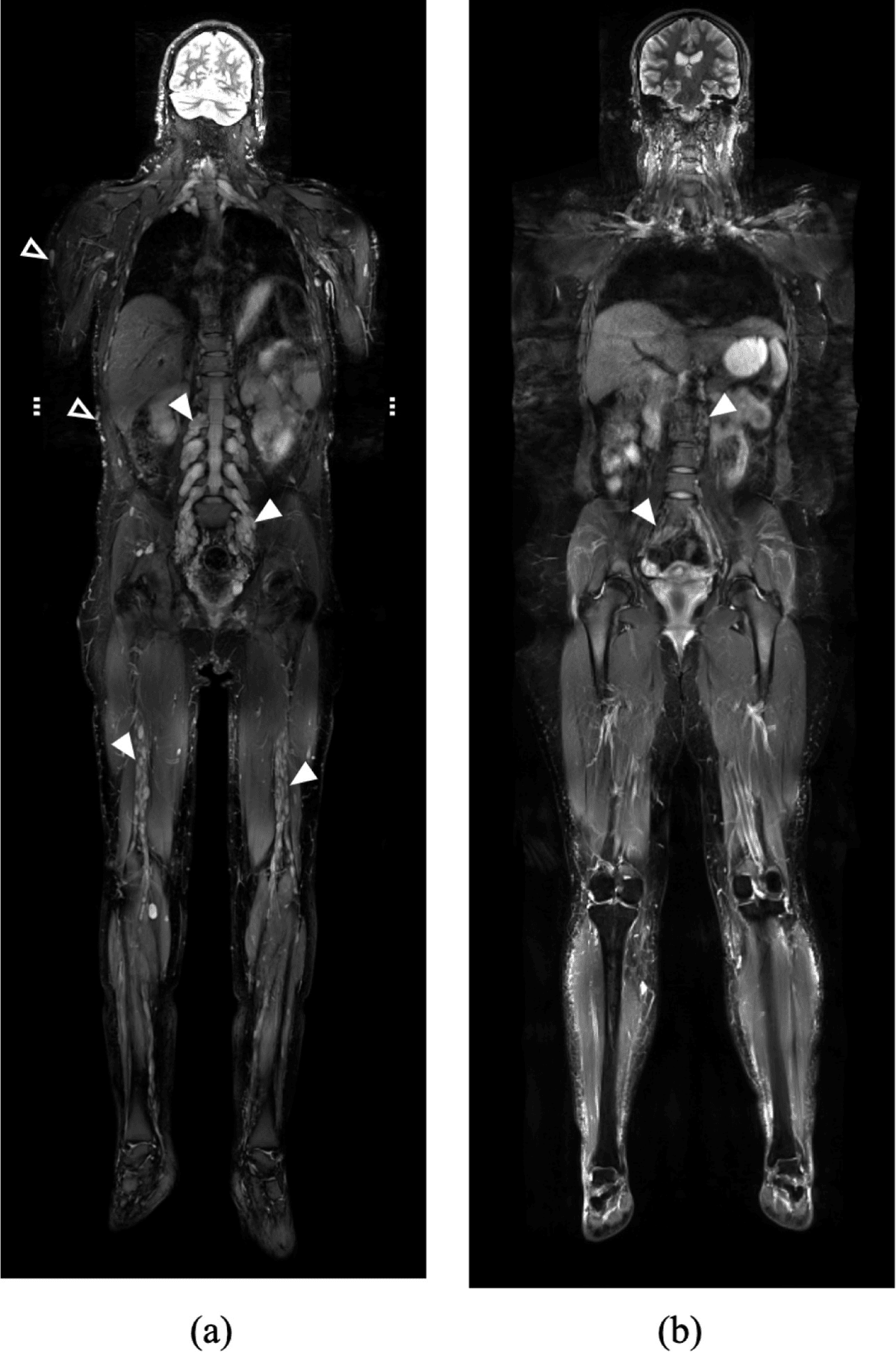
An Ezra multi-region MRI scan can empower your health audit screening up to 14 organs for early signs of cancer and over 500 conditions. These range from brain aneurysms to liver issues, with the potential to detect anomalies before symptoms appear. Proactive scanning can spot signs of cancer early and give you the most options while these conditions are the most treatable.
This is a non-invasive, radiation-free approach that delivers comprehensive insights, usually in under an hour. Ezra uses AI-assisted diagnostic tools to help expert radiologists evaluate your scans. Regular scans can give you peace of mind and help you take back control over your health.
How to Build Your Own Annual Health Audit Plan
Every January, put aside some time to review your health and see where you could make improvements.
- Diet: Check that you are following the Eat Well Guide
- Exercise: Log weekly activity and the time that you spend sitting or lying down, and see if you need to improve.
- Sleep: Really think about the amount of sleep you are getting and the quality, and follow tips and tricks on how to improve this.
- Mindfulness: Carry out small, daily practices to make sure you aren't overwhelmed.
- Screenings: contact your general practice and arrange your own health audit.
Conclusion
January is the perfect time to review and invest in your health. By taking on NHS advice about diet, exercise, sleep, and mindfulness alongside other tools like additional health screening, you can take control of your health and give yourself peace of mind that you are doing everything you can to stay happy and healthy, before symptoms arise.
Book your Ezra MRI as the cornerstone of your annual audit. Ezra uses advanced imaging and AI to help detect signs of cancer early, giving you a clear picture of your health status and peace of mind.
Understand your risk for cancer with our 5 minute quiz.
Our scan is designed to detect potential cancer early.
References
1. NHS. NHS Health Check. nhs.uk. November 6, 2023. Accessed January 20, 2026. https://www.nhs.uk/tests-and-treatments/nhs-health-check/
2. Diabetes UK. Prediabetes symptoms and risk reduction. Diabetes UK. Accessed January 20, 2026. https://www.diabetes.org.uk/about-diabetes/type-2-diabetes/prediabetes
3. NIHR. Lifestyle changes may be more important than drugs for mild hypertension. NIHR Evidence. doi:10.3310/signal-000713
4. British Heart Foundation. Risk factors. British Heart Foundation. Accessed January 20, 2026. https://www.bhf.org.uk/informationsupport/risk-factors
5. Sharrock K. New minimum standards for liver cancer surveillance in England. Liver Cancer UK. July 17, 2024. Accessed January 20, 2026. https://livercanceruk.org/news/new-minimum-standards-for-liver-cancer-surveillance-in-england/
6. Kidney Research UK. What is chronic kidney disease?: chronic kidney disease information. Kidney Research UK. Accessed January 20, 2026. https://www.kidneyresearchuk.org/conditions-symptoms/chronic-kidney-disease/
7. NHS. The Eatwell Guide. nhs.uk. February 23, 2022. Accessed January 20, 2026. https://www.nhs.uk/live-well/eat-well/food-guidelines-and-food-labels/the-eatwell-guide/
8. British Heart Foundation. Protein: how much do you need? British Heart Foundation. June 9, 2021. Accessed January 20, 2026. https://www.bhf.org.uk/informationsupport/heart-matters-magazine/nutrition/protein
9. Kokkinos P, Sheriff H, Kheirbek R. Physical Inactivity and Mortality Risk. Cardiol Res Pract. 2011;2011:924945. doi:10.4061/2011/924945
10. NHS. Sleep problems - Every Mind Matters. nhs.uk. May 4, 2021. Accessed January 20, 2026. https://www.nhs.uk/every-mind-matters/mental-health-issues/sleep/
11. NHS. Fall asleep faster and sleep better - Every Mind Matters. nhs.uk. May 4, 2021. Accessed January 20, 2026. https://www.nhs.uk/every-mind-matters/mental-wellbeing-tips/how-to-fall-asleep-faster-and-sleep-better/
12. Mind. Tips to improve your sleep. Accessed January 20, 2026. https://www.mind.org.uk/information-support/types-of-mental-health-problems/sleep-problems/tips-to-improve-your-sleep/#ThinkAboutScreensAndDeviceSettings
13. NHS. Mindfulness. nhs.uk. February 1, 2021. Accessed January 20, 2026. https://www.nhs.uk/mental-health/self-help/tips-and-support/mindfulness/
14. Aughterson H, Fancourt D, Chatterjee H, Burton A. Social prescribing for individuals with mental health problems: An ethnographic study exploring the mechanisms of action through which community groups support psychosocial well-being. Wellcome Open Res. 2024;9:149. doi:10.12688/wellcomeopenres.20981.1


