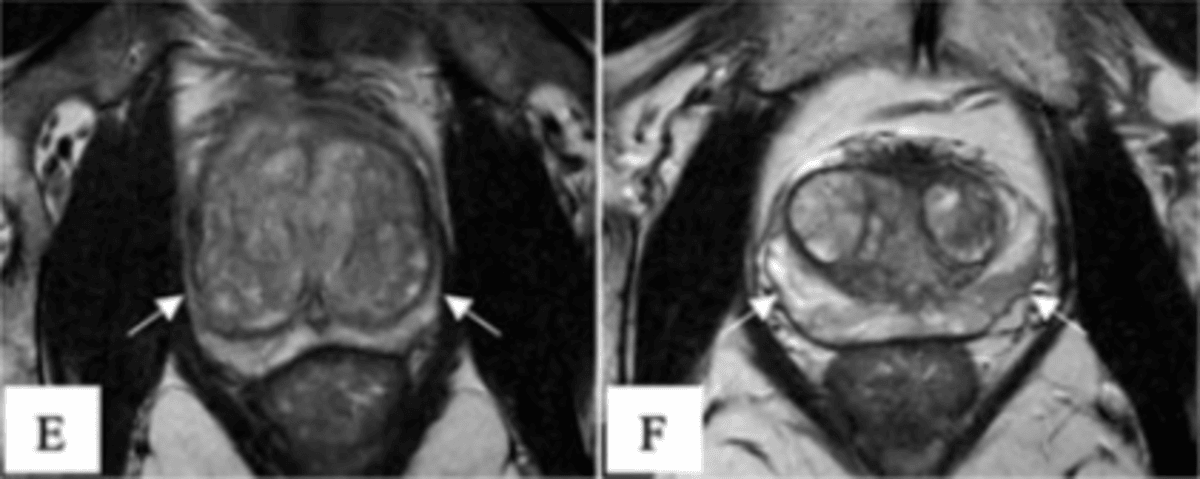
Prostate cancer is the most commonly diagnosed cancer in UK men – but when found early, survival rates are extremely high. While promising treatments like abiraterone are extending lives, prevention still begins with early detection. In this article, we explore how catching prostate cancer early offers the best chance of a cure, what screening involves, and how modern medicine is evolving to support better outcomes at every stage.
Prostate cancer is the most common cancer affecting men in the UK. While it occurs most frequently in men over 50, anyone with a prostate can develop it. The severity of the cancer depends on whether it has spread beyond the prostate to other parts of the body. The earlier the cancer is identified and treated, the better the outcomes.
Ongoing research and new treatments are improving survival and quality of life. However, prevention and early diagnosis are far more effective than treatment alone.
Why Early Detection Matters
Beyond prevention, early diagnosis is the next best defence. The earlier cancer is detected, the more treatment options become available. Early detection not only improves survival outcomes but also helps preserve quality of life by enabling less invasive and more effective treatments.
Prostate cancer is often silent at first
Prostate cancer often has no symptoms in the early stages1. The tumour tends to grow from the outer part of the prostate. This means that until the cancer has grown or spread, there is usually no pressure placed on the urethra, which leads to symptoms2.
The main symptoms of prostate cancer are changes in urination1,2.
- Waking at night to urinate
- Difficulty starting
- A weak or interrupted stream
- Increased frequency
- A sudden, urgent need to urinate
- Feeling that the bladder has not fully emptied
Less common symptoms include erectile dysfunction, blood in your urine or semen, persistent back pain, and unexplained weight loss, though these often occur in advanced cases1.
There is currently no nationwide screening service in the UK, meaning that diagnoses are often driven by people reporting their symptoms4.
The survival advantage of early diagnosis
The earlier a cancer is detected, the better the chances of survival.
If diagnosed at Stage 1 or Stage 2, where the cancer is still contained within the prostate, the rate of survival 5 years after diagnosis is almost 100 per cent5. At Stage 3, when the cancer has begun to spread slightly beyond the prostate, the 5-year survival rate remains at around 95 per cent5.
Survival rates only begin to fall in advanced stages of cancer that have spread beyond the prostate to other parts of the body. This makes treatment difficult and reduces the treatment options available6.
For all stages of prostate cancer, around 80 per cent of those diagnosed will survive 10 years after diagnosis5.
Early detection gives more treatment choices with fewer side effects, while preserving quality of life, especially if diagnosed and treated before the cancer has spread.
What Prostate Cancer Screening Involves
Prostate Specific-Antigen (PSA) test
PSA is a protein released by normal and cancerous prostate cells. It is normal for all men to have some PSA in their blood. Many different factors could increase levels of PSA, such as a urinary tract infection or just age-related enlargement of the prostate7,8.
A PSA blood test will only tell you if you have high levels of PSA, not why you have this result. A high blood PSA level does not necessarily mean cancer, and a normal result does not completely rule it out9,10.
Because of this, PSA blood testing alone is not reliable enough for a cancer diagnosis, but it can be a useful tool to help identify people who might require further investigation.
Men over 50 or who are at high risk can request a PSA test from their GP1.
Digital Rectal Exam (DRE)
A DRE is a physical exam where the doctor or nurse will feel the prostate through the rectum. It is a quick and painless way to check the shape, size, and texture of the prostate3,11,12.
The NHS has further information about what to expect during a DRE.
A DRE is usually used alongside the PSA testing to see if further investigation is required.
Magnetic Resonance Image (MRI) scan
The next step in diagnosis would be using imaging technology.
MRIs use powerful magnets and radio waves to produce highly detailed, 3D images of the prostate. This allows healthcare professionals to identify suspicious areas and assess whether a cancer may be present3,12.
By using these quick, non-invasive methods, invasive and often uncomfortable biopsies can be avoided if no areas of concern are identified.
Ezra offers a multi-organ MRI service that can help identify early warning signs of cancer and non-cancerous conditions before symptoms appear.
Biopsy
If the PSA, DRE, and MRI provide unusual results, a biopsy can be performed to help confirm the diagnosis and grade how advanced the cancer is3.
Trans-rectal ultrasound (TRUS) guided biopsy
A small needle is used to take tissue samples from the prostate through the rectum. This is guided by an ultrasound scan, and a local anaesthetic is used to make the procedure painless. The biopsy usually takes 5-10 minutes12,13.
Transperineal biopsy
A biopsy is taken through the skin between the testicles and the rectum (the perineum). This can be performed under local or general anaesthetic, and takes 20-40 minutes12,13.
- Targeted transperineal biopsies use information from the MRI to decide where the biopsy will be taken from13.
- Grid transperineal biopsies use a grid to take samples from various places if the exact area of concern was not identified by the MRI, but the doctor still believes there may be cancer cells present13.
Tissue samples are sent to a laboratory for analysis. Biopsies are the only way to confirm if cancer cells are present.
New Advances in Treatment: Abiraterone and Beyond
What is abiraterone?
Abiraterone is a hormone therapy used to treat prostate cancer. It’s used in combination with a steroid like prednisolone or prednisone. It works by blocking an enzyme that is needed to make male hormones, like testosterone, which prostate cancer cells need to grow14.
The medication is given as a daily tablet, alongside a steroid, making it easy to use and accessible for patients14.
Abiraterone is used in adults whose cancer has spread, and its use has recently expanded to cases where the cancer has not spread but is likely to do so15.
Clinical trials have shown that abiraterone can improve survival in men with high-risk, hormone-sensitive, or castration-resistant prostate cancer14,16.
Why treatment still relies on early detection
The treatments currently available for prostate cancer can often help men live longer and feel better, but they usually cannot cure the disease once it has spread to other parts of the body.
When prostate cancer is found early, it is more likely to be contained within the prostate or close by. At this stage, it may be possible to treat it with radiotherapy or remove the prostate with surgery, giving a much better chance of long-term control. This is why early detection of prostate cancer is so important.
Proactive Steps Men Can Take Now
Know your risk
The main risk factors are17:
- Age: those over 50 have the greatest risk.
- Family history: having a direct relative with prostate cancer implies increased risk.
- Genetics: The BRCA gene can cause mutations that increase the risk of prostate cancer.
- Being Black: 1 in 4 Black men in the UK will likely be diagnosed with prostate cancer at some point in their life, and it is unclear why.
If you have multiple risk factors or are experiencing symptoms, contact your GP as soon as possible.
Speak to your GP or consider private screening
Men over 50, regardless of whether they have symptoms, are entitled to PSA testing by their GP.
Imaging services, like Ezra, can provide information without radiation or invasive procedures. This allows for the earliest signs of prostate cancer to be found and investigated.
Don’t wait for symptoms
If you’re 50+ or have multiple risk factors, contact your GP immediately.
Conclusion
Early detection is still the best defence against prostate cancer. While new treatments are providing more hope than ever, the most effective options are usually available to men whose cancer is found at an early stage, before it has spread. Even if you do not have symptoms but are worried, contact your GP so they can explain your options and arrange appropriate tests.
Proactive screening, including Ezra MRI scans, can offer peace of mind, enabling screening for signs of cancer to catch it at its earliest stage, when treatment is most effective.
Understand your risk for cancer with our 5 minute quiz.
Our scan is designed to detect potential cancer early.
References
1. NHS. Symptoms of prostate cancer. nhs.uk. August 8, 2025. Accessed February 17, 2026. https://www.nhs.uk/conditions/prostate-cancer/symptoms/
2. Prostate Cancer UK. What are the signs and symptoms of prostate cancer? Prostate Cancer UK. Accessed February 17, 2026. http://prostatecanceruk.org/prostate-information-and-support/risk-and-symptoms/prostate-cancer-signs-and-symptoms
3. NHS. Tests and next steps for prostate cancer. nhs.uk. August 8, 2025. Accessed February 17, 2026. https://www.nhs.uk/conditions/prostate-cancer/tests-and-next-steps/
4. Prostate Cancer UK. We won’t stop until we have a screening programme for all men. Prostate Cancer UK. Accessed February 17, 2026. http://prostatecanceruk.org/get-involved/campaigning/prostate-cancer-screening
5. Cancer Research UK. Survival for prostate cancer. Accessed February 17, 2026. https://www.cancerresearchuk.org/about-cancer/prostate-cancer/survival
6. Prostate Cancer UK. Advanced prostate cancer. Prostate Cancer UK. Accessed February 17, 2026. http://prostatecanceruk.org/prostate-information-and-support/just-diagnosed/advanced-prostate-cancer
7. Prostate Cancer UK. PSA blood test. Prostate Cancer UK. Accessed February 17, 2026. http://prostatecanceruk.org/prostate-information-and-support/prostate-tests/psa-blood-test
8. Cancer Research UK. What is the PSA test? Accessed February 17, 2026. https://www.cancerresearchuk.org/about-cancer/tests-and-scans/prostate-specific-antigen-psa-test
9. NHS. PSA test. nhs.uk. September 4, 2024. Accessed February 17, 2026. https://www.nhs.uk/tests-and-treatments/psa-test/
10. Wise J. Prostate cancer: Routine NHS screening is rejected by UK expert committee. BMJ. 2025;391:r2524. doi:10.1136/bmj.r2524
11. Prostate Cancer UK. Digital rectal examination (DRE). Prostate Cancer UK. Accessed February 17, 2026. http://prostatecanceruk.org/prostate-information-and-support/prostate-tests/digital-rectal-examination-dre
12. Cancer Research UK. Tests for prostate cancer. Accessed February 17, 2026. https://www.cancerresearchuk.org/about-cancer/prostate-cancer/getting-diagnosed/tests-for-prostate-cancer
13. Prostate Cancer UK. Prostate biopsy. Prostate Cancer UK. Accessed February 17, 2026. http://prostatecanceruk.org/prostate-information-and-support/prostate-tests/prostate-biopsy
14. NHS England. Abiraterone acetate and prednisolone for high-risk, hormone sensitive, non-metastatic prostate cancer (adults). January 16, 2026. Accessed February 17, 2026. https://www.england.nhs.uk/publication/abiraterone-acetate-and-prednisolone-for-high-risk-hormone-sensitive-non-metastatic-prostate-cancer-adults/
15. Abiraterone (Originator and Generics) for Treating Newly Diagnosed High-Risk Hormone-Sensitive Metastatic Prostate Cancer. National Institute for Health and Care Excellence (NICE); 2025. Accessed February 17, 2026. http://www.ncbi.nlm.nih.gov/books/NBK619966/
16. Grist E, Attard G. The development of abiraterone acetate for castration-resistant prostate cancer. Urol Oncol. 2015;33(6):289-294. doi:10.1016/j.urolonc.2015.03.021
17. Prostate Cancer UK. Prostate Cancer Risk Factors. Prostate Cancer UK. Accessed February 17, 2026. http://prostatecanceruk.org/prostate-information-and-support/risk-and-symptoms/are-you-at-risk
Image adapted from Fig. 1, and used under the Creative Commons license.


