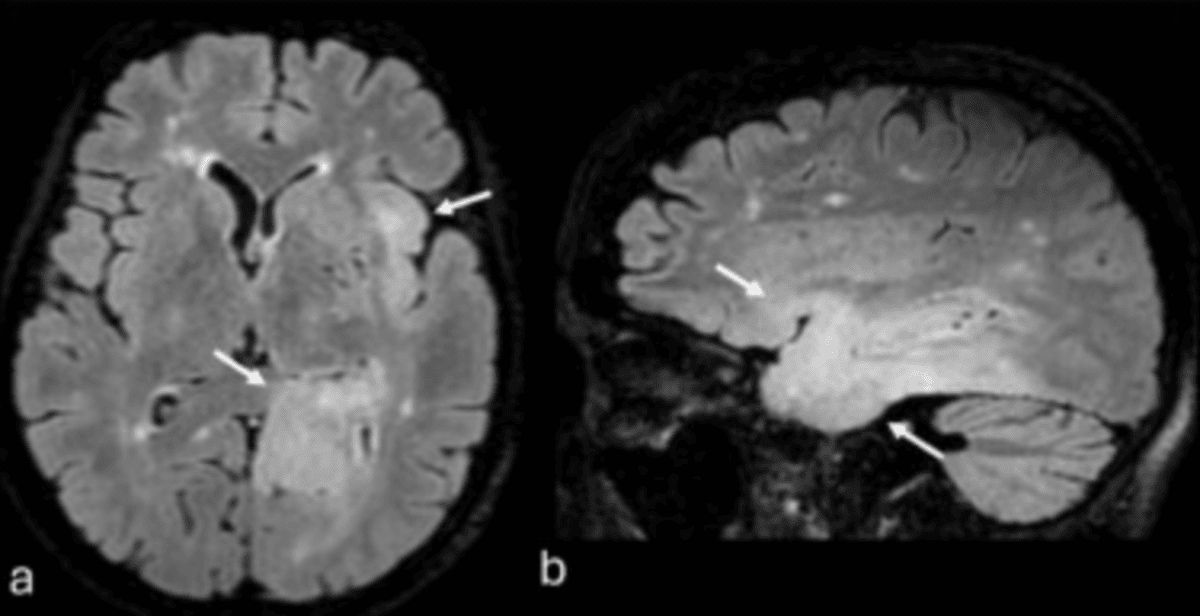
While each rare cancer affects only a small number of people, collectively they make up around 1 in 5 cancer cases. Because they’re so uncommon, symptoms are often overlooked, delaying diagnosis and treatment. As Rare Disease Day approaches on 28 February, we explore how awareness of rare cancers and early action can act as a powerful form of prevention and improve outcomes for people at risk.
Rare Disease Day raises awareness of diseases that affect less than 1.5 per cent of the population. While individually uncommon, these conditions collectively affect over 300 million people worldwide.
In the UK, almost 24 per cent of all cancer diagnoses are cases of rare cancers, highlighting the overall burden1,21. This article delves into how greater awareness and earlier recognition of symptoms, and proactive steps, can accelerate diagnosis, advance treatment, and improve survival and quality of life for those affected.
What Are Rare Cancers?
Definition and examples
A rare cancer affects fewer than 6 cases per 100,000 people annually2.
Some examples include3:
- Sarcomas
- Pancreatic cancer
- Brain tumours
- Oesophageal cancer
- Salivary gland tumours
- Some head and neck cancers
The common challenge shared by rare cancers is that they are not well-known. Symptoms often go unrecognised, leading to late diagnoses, fewer treatment options, and poorer survival outcomes.
Why they’re harder to diagnose and treat
Early symptoms are often vague or nonspecific, such as fatigue, general pain or discomfort, or unexplained weight loss. More advanced symptoms may be unusual or hard to recognise compared to more common cancer which could mean that the cancer is misdiagnosed or missed2,4,5.
The diagnosis process may also require extra steps like biopsies, special lab testing, or expert advice, which all add time. Having so few patients means there are even fewer experts. It is not uncommon for consultations to come from experts from different parts of the country or from abroad4.
Due to the nature of rare cancers, research faces steep hurdles. Many studies rely on animal or cell models, which do not always translate to humans6. Human clinical trials are also difficult to coordinate due to limited funding for rare cancers, fewer hospitals available to take part, and tiny patient populations, limiting how accessible these trials are for the people affected by these rare cancers2,4,5. The evidence from these trials is also limited, as having such small populations means that the data is not as robust as large-scale clinical trials. Since these diseases may not be as well understood, prevention, diagnosis, and treatment are more difficult.
Why Awareness Is a Form of Prevention
Early recognition of symptoms
Many rare cancers share early, subtle signs like7:
- Fatigue
- Unexplained weight loss
- Persistent pain or discomfort
- Unusual lumps
Raising public awareness helps people to spot warning signs sooner and seek GP advice.
Awareness campaigns for breast, prostate, bowel, and cervical cancers have driven earlier diagnosis and better outcomes8. For example, the breast cancer survival rate 5 years after diagnosis is now over 90 per cent with early detection, compared to 30 per cent with advanced stages9.
Public campaigns have already shown promise for rare cancers. For instance, sarcoma awareness initiatives in the UK increased early referrals by 25 per cent over five years, cutting average diagnostic time from 10 to 6 months10. Similar efforts for brain tumours boosted survival rates through faster intervention11. Awareness drives measurable change.
Equipping patients and GPs
Knowledgeable patients are more likely to spot symptoms early and contact their GPs. By being well-informed, they are able to confidently advocate for themselves. This helps to accelerate the lengthy diagnostic process.
Awareness is also important for healthcare professionals. GPs who are attuned to rare cancers are more likely to recognise subtle patterns, build strong networks with specialists, and streamline referral protocols.
Together, these can help make diagnoses more reliable and improve patient outcomes.
The Diagnostic Gap in Rare Cancers
Time to diagnosis is often longer
Common cancers benefit from well-established diagnostic methods, with hospitals equipped with on-site experts, labs, and routine tests.
Rare cancer diagnoses are faced with many challenges, such as2,5:
- Limited, high-quality data to guide diagnosis.
- Vague or unusual symptoms can lead to misdiagnosis or delays.
- Specialised tests require uncommon equipment or expertise, which can take longer to arrange.
- Fewer local specialists, so advice or referrals often come from experts across the country or abroad.
These factors can double the time taken to diagnose rare cancers compared to common ones12.
The emotional and physical toll of delays
The lengthy diagnosis process means that patients are often left in a state of uncertainty. They experience their symptoms and are left to worry about their test results. This can have a severe impact on their quality of life.
The longer a diagnosis takes, the more time cancer has to advance, reducing treatment options and survival outcomes.
How Modern Imaging Supports Early Detection
MRI and multi-organ scanning
Magnetic Resonance Imaging (MRI) uses magnets and radio waves to make extremely high-resolution, 3D images. The detail provided by these scans allows for the earliest signs of cancer to be spotted across multiple organs, even before symptoms appear.
Early detection using advanced imaging techniques is a powerful tool for improving patient outcomes. The information from MRI scans can help monitor disease progression, assist doctors in determining the course of treatment, and track how effective treatments are.
Ezra's role in proactive health
Ezra offers multi-organ MRI scans covering up to 14 organs to detect over 500 conditions.
Non-invasive and radiation-free, they're ideal for baseline screening, vague symptoms, or ongoing monitoring. Ezra’s scans are perfect as a regular health screening tool, alongside routine GP care.
How to Advocate for Yourself or Loved Ones
Listening to your body
You know your body best. If you experience any of the following, contact your GP right away:
- New or persistent symptoms (fatigue, pain).
- Unexplained changes (lumps, weight loss, appetite shifts).
There are many explanations for such symptoms, but being proactive about your health can give you peace of mind and the most treatment options if there are any issues.
Ask questions and push for answers
Being well-informed will give you the confidence to advocate for yourself.
- Explain symptoms, timelines, and concerns to your GP.
- Ask about specific tests, referrals, or scans if needed.
- Push for second opinions and follow-ups if required.
- Pursue preventative screening if warranted.
Conclusion
Rare cancers may be uncommon individually, but together they affect millions. Awareness is the key to closing the diagnostic gap.
By recognising subtle symptoms early, advocating with GPs, and leveraging advanced tools like multi-organ MRI scans, we can drive faster diagnoses, expand treatment options, and boost survival rates.
This Rare Disease Day on 28 February, commit to listening to your body, asking questions, and acting promptly; it could save lives.
To learn more about Ezra’s multi-organ MRI screenings, which can screen for early signs of cancer and over 500 other conditions, book your consultation today.
Understand your risk for cancer with our 5 minute quiz.
Our scan is designed to detect potential cancer early.
References
1. Rare Disease Day 2026. What is a rare disease? Rare Disease Day 2026. Accessed February 24, 2026. https://www.rarediseaseday.org/what-is-a-rare-disease/
2. Cancer Research UK. Rare cancers. Accessed February 26, 2026. https://www.cancerresearchuk.org/about-cancer/rare-cancers
3. Cancer52. Cancer52 | Rare and Less Common Cancers Directory. cancer52. Accessed February 26, 2026. https://www.cancer52.org.uk/rare-and-less-common-cancers
4. Macmillan Cancer Support. Rare cancers. Accessed February 26, 2026. https://www.macmillan.org.uk/cancer-information-and-support/rare-cancers
5. Pillai RK, Jayasree K. Rare cancers: Challenges & issues. Indian J Med Res. 2017;145(1):17-27. doi:10.4103/ijmr.IJMR_915_14
6. Mak IW, Evaniew N, Ghert M. Lost in translation: animal models and clinical trials in cancer treatment. Am J Transl Res. 2014;6(2):114-118.
7. Horick NK, Muzikansky A, Gutierrez HL, Boyd KL, Finkelstein DM. Physical Symptoms in Long-term Survivors of Rare Cancer. J Cancer Surviv Res Pract. 2018;12(6):835-842. doi:10.1007/s11764-018-0721-9
8. Niksic M, Rachet B, Duffy SW, Quaresma M, Møller H, Forbes LJ. Is cancer survival associated with cancer symptom awareness and barriers to seeking medical help in England? An ecological study. Br J Cancer. 2016;115(7):876-886. doi:10.1038/bjc.2016.246
9. Cancer Research UK. Breast cancer statistics | Cancer Research UK. Accessed February 26, 2026. https://www.cancerresearchuk.org/health-professional/cancer-statistics/statistics-by-cancer-type/breast-cancer
10. Sarcoma UK. The National Sarcoma Survey 2025. Sarcoma UK. Accessed February 26, 2026. https://sarcoma.org.uk/policy-at-sarcoma-uk/the-national-sarcoma-survey-2025/
11. Nguyen TTT, Greene LA, Mnatsakanyan H, Badr CE. Revolutionizing Brain Tumor Care: Emerging Technologies and Strategies. Biomedicines. 2024;12(6):1376. doi:10.3390/biomedicines12061376
12. Angelakas A, Cook N, Graham DM, Krebs M, Thistlethwaite F, Carter L. A single centre experience of patients with rare cancers referred for early phase clinical trials. BMC Cancer. 2025;25:558. doi:10.1186/s12885-025-13934-2
Image adapted from Fig. 1 and used under the Creative Commons license.


