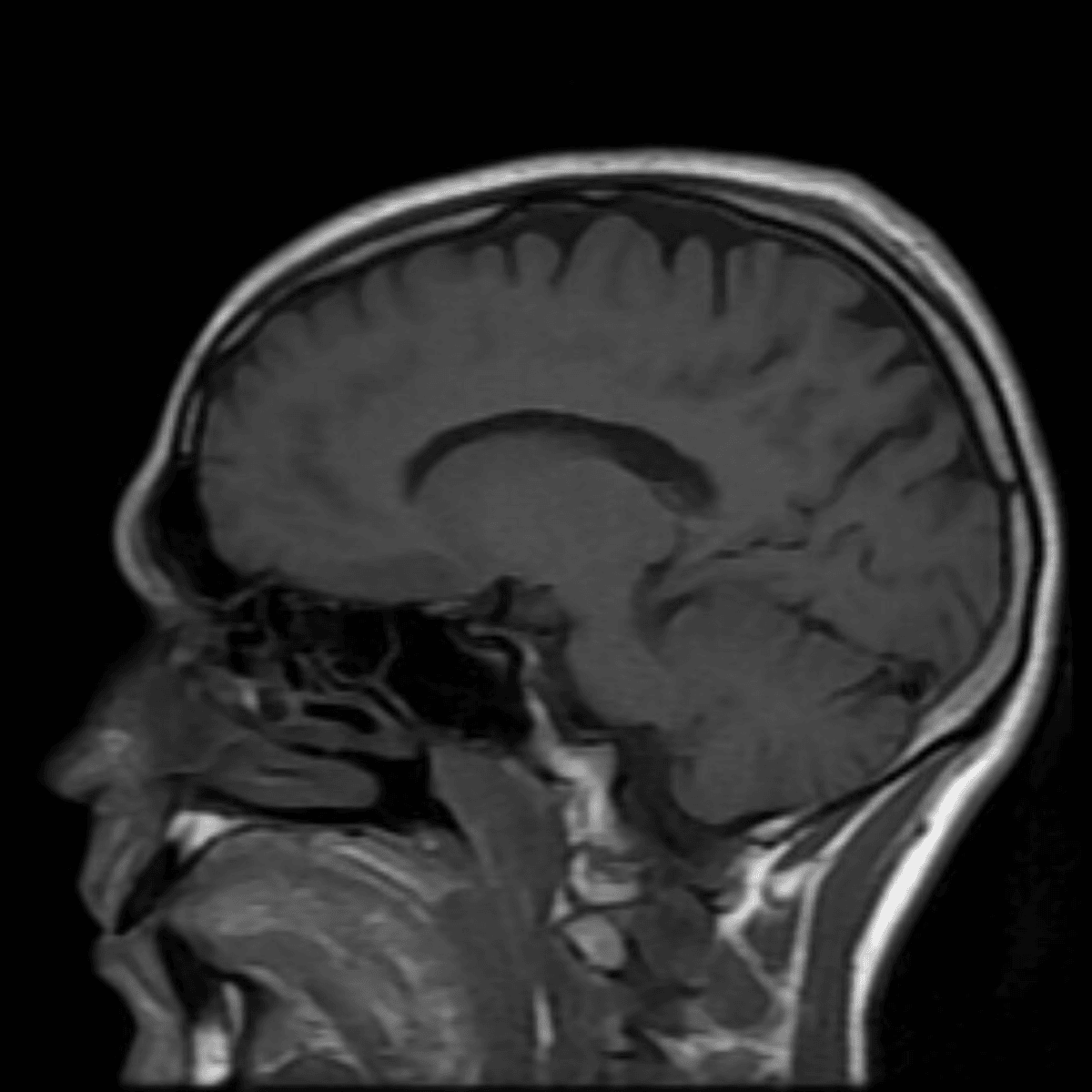
Conditions our MRI scans have found
Calyceal stone
Sometimes the salts and minerals in the urine can crystalize and form kidney stones. A calyceal stone is a kidney stone found in the renal calyces, cavities in which urine collects before it flows into the urinary bladder.
Caliectasis
Caliectasis occurs when there is excess fluid in your calyces (cavities in which urine collects before it flows into the urinary bladder). Causes of caliectasis include blockage/obstruction in the kidneys, cysts, tumors, kidney stones, urine buildup (hydronephrosis), and urinary tract infections.
Chronic blood products in the seminal vesicle (hematospermia)
Hematospermia, the term used to describe the presence of blood in the semen, is an uncommon condition. While it is usually alarming to individuals, the condition typically resolves spontaneously. The cause is almost always benign (non-cancerous) and often no clear cause can be identified, which can make it a challenging condition. It can manifest as a single episode or recur over the course of weeks to months. Known causes include, but are not limited to, following radiation treatment for prostate cancer, sexually transmitted diseases, and bleeding from blood thinners. In individuals over 40 with hematospermia, genitourinary cancers (i.e. prostate, seminal vesicles) should be considered, but the rate of such cancers is low, even after long-term follow-up.
Cervical, thoracic, and lumbar spine degenerative changes
As an individual ages, it is common to develop small degenerative abnormalities of the spine such as disc bulges or herniations. Degenerative changes that do occur here can lead to symptoms of pain, numbness, tingling, and/or restricted motion.
Centrum semiovale white matter plaques
The centrum semiovale is the white matter oval shaped core of the cerebral hemispheres (the left and right side of the brain). White matter is the brain tissue that contains nerve fibers and serves as the connection to other parts of the brain. White matter hyperintensities are common changes seen on MRI in asymptomatic individuals (those with no symptoms), and their prevalence increases with age, to nearly 100% in those older than 90 years. The possible causes of white matter hyperintensities include chronic microvascular ischemic changes, vasculitis (blood vessel inflammation), migraine, Lyme disease or demyelinating disease.
choroid fissure cyst
The choroid fissure is the C-shaped site of attachment of the choroid plexus (secretory tissue that produces cerebrospinal fluid [CSF]) in the lateral ventricles (a communicating network of cavities filled with cerebrospinal fluid [CSF] and located within the brain tissue). A choroid fissure cyst is a radiological term that indicates the location of the cyst in the brain and is a benign finding.

Can't find what you're looking for?
Frequently Asked Questions
Unfortunately at this time, we are unable to scan people with pacemakers. There is a risk that the MRI magnetic fields will disrupt its operation, and we don't want that.
There are many different types of implants. We will need to know more about what you have. The good news is that almost all implants are MRI-safe. There is a chance the implant will affect the images we can get from the surrounding tissues.
Yes. Almost all IUDs are MRI-safe. Regardless, we check the MRI safety of all devices. Common MRI-safe IUDs are the Mirena and the Copper T.
Yes you can. There will be extra precautions we will take to ensure your safety while in the machine, so please inform staff before entering the MRI.
Yes. This is completely safe.