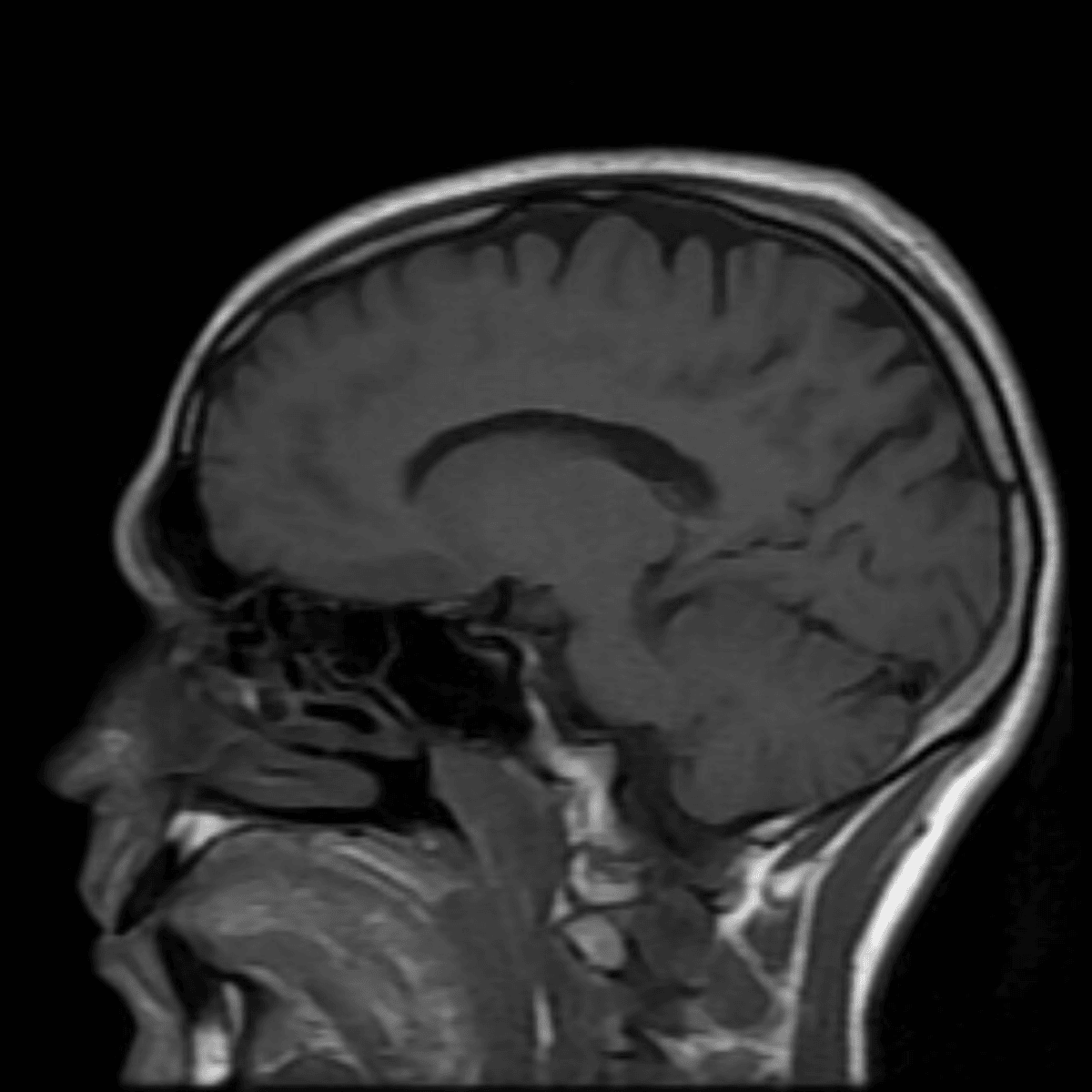
Conditions our MRI scans have found
Duct of Santorini
The pancreas is responsible for regulating blood sugar levels and also secreting digestive enzymes via the pancreatic duct into the small intestine. The pancreas usually has one pancreatic duct. Sometimes due to developmental variation, there can be one main pancreatic duct with another “accessory” duct (also called the Duct of Santorini). This is a benign finding and is not associated with cancer. No further follow-up or evaluation is needed.
Duodenum diverticulum
The duodenum is part of the small intestine. Sometimes if there is a weak spot in the wall of the intestine, a small bulge (diverticulum) can form. Diverticula usually do not cause symptoms.
Deep pelvic endometriosis
Endometriosis (also known as an endometrial implant) is when cells similar to those lining the uterus grow outside the uterus. It is unclear what causes this condition to happen. While endometriosis is a common and non-cancerous process, the presence of endometrial tissue outside the uterus and its resultant inflammation can cause women to have pelvic pain that is related to their menstrual cycle, pain during intercourse, pain with urination or difficulty getting pregnant. Deep pelvic endometriosis occurs when there is more advanced (deeper) growth of the cells outside of the uterus and is associated with more severe symptoms.
Cystocele
A cystocele occurs when the ligaments and muscles that hold up the bladder stretch or weaken. You may see or feel tissue bulge through your vaginal opening or have difficulty urinating. or inserting menstrual products. Sexual intercourse may may also be painful. Treatment may include strengthening your pelvic floor muscles or surgery.
Disc bulges and disc herniations
A disc bulge affects at least a quarter of the disc perimeter and involves only the outer cartilage. A disc herniation (also called ruptured disc or slipped disc) involves both the outer and inner cartilage and is created by a crack in the outer cartilage shell allowing the soft inner cartilage to stick out of the disc. Disc changes do not always cause symptoms, but can compress nerves, causing pain, numbness, tingling or weakness.
Degenerative endplate marrow edema
An edema is a buildup of fluid. A bone marrow edema (often referred to as bone marrow lesion) occurs when fluid builds up in the bone marrow. Bone marrow edema is typically a response to an injury such as a fracture or conditions such as osteoarthritis. Bone marrow edema usually resolves itself with rest and physical therapy.

Can't find what you're looking for?
Frequently Asked Questions
Unfortunately at this time, we are unable to scan people with pacemakers. There is a risk that the MRI magnetic fields will disrupt its operation, and we don't want that.
There are many different types of implants. We will need to know more about what you have. The good news is that almost all implants are MRI-safe. There is a chance the implant will affect the images we can get from the surrounding tissues.
Yes. Almost all IUDs are MRI-safe. Regardless, we check the MRI safety of all devices. Common MRI-safe IUDs are the Mirena and the Copper T.
Yes you can. There will be extra precautions we will take to ensure your safety while in the machine, so please inform staff before entering the MRI.
Yes. This is completely safe.