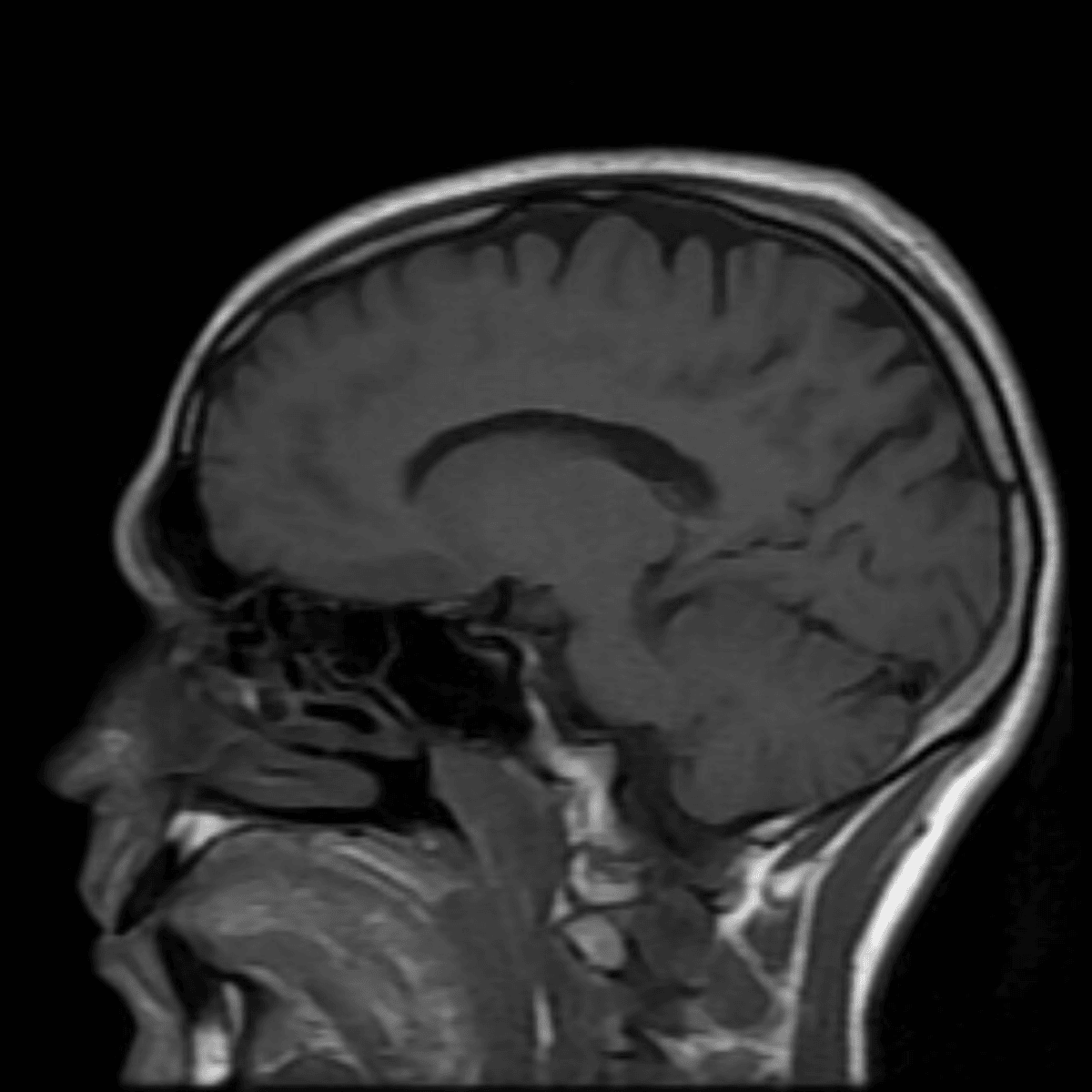
Conditions our MRI scans have found
Anal/rectal abscess
An anal/rectal abscess is a pus-filled lump around the anus (the opening of the rectum to the outside of the body) or the rectum (the portion of the gastrointestinal tract that begins at the end of the colon and ends at the anus).
Adrenal metastases
Adrenal metastases are lesions seen in the adrenal gland caused by the spread of cancer from other organs to the adrenal gland.
Adnexal cyst
The adnexal region encompassess the ovaries and fallopian tubes. A cyst is a sac-like pocket of membranous tissue that contains fluid, air, or other substances. Cysts can grow almost anywhere in the body or under the skin. Most cysts are benign (non-cancerous). Whether a cyst needs treatment depends on a number of factors, including the type of cyst, the location, if the cyst is causing pain or discomfort, and whether the cyst is infected.
Adnexal lesions
The adnexal region encompassess the ovaries and fallopian tubes. Women have two ovaries - each about the size and shape of an almond - on each side of the uterus. A lesion is an abnormal finding. Full assessment of adnexal lesions requires physical examination, laboratory tests and focused imaging.
Angiomyolipoma of the kidney
Angiomyolipoma (AML) is a benign (non-cancerous) tumor of the kidney that is composed of blood vessels, fat, and smooth muscle cells. Symptoms from AMLs are rare but can include hematuria (blood in the urine), flank pain, hypertension, impairment of kidney function, and can lead to life-threatening rupture.
Angiomyolipoma of the kidney
Angiomyolipoma (AML) is a benign (non-cancerous) tumor of the kidney that is composed of blood vessels, fat, and smooth muscle cells.

Can't find what you're looking for?
Frequently Asked Questions
Unfortunately at this time, we are unable to scan people with pacemakers. There is a risk that the MRI magnetic fields will disrupt its operation, and we don't want that.
There are many different types of implants. We will need to know more about what you have. The good news is that almost all implants are MRI-safe. There is a chance the implant will affect the images we can get from the surrounding tissues.
Yes. Almost all IUDs are MRI-safe. Regardless, we check the MRI safety of all devices. Common MRI-safe IUDs are the Mirena and the Copper T.
Yes you can. There will be extra precautions we will take to ensure your safety while in the machine, so please inform staff before entering the MRI.
Yes. This is completely safe.