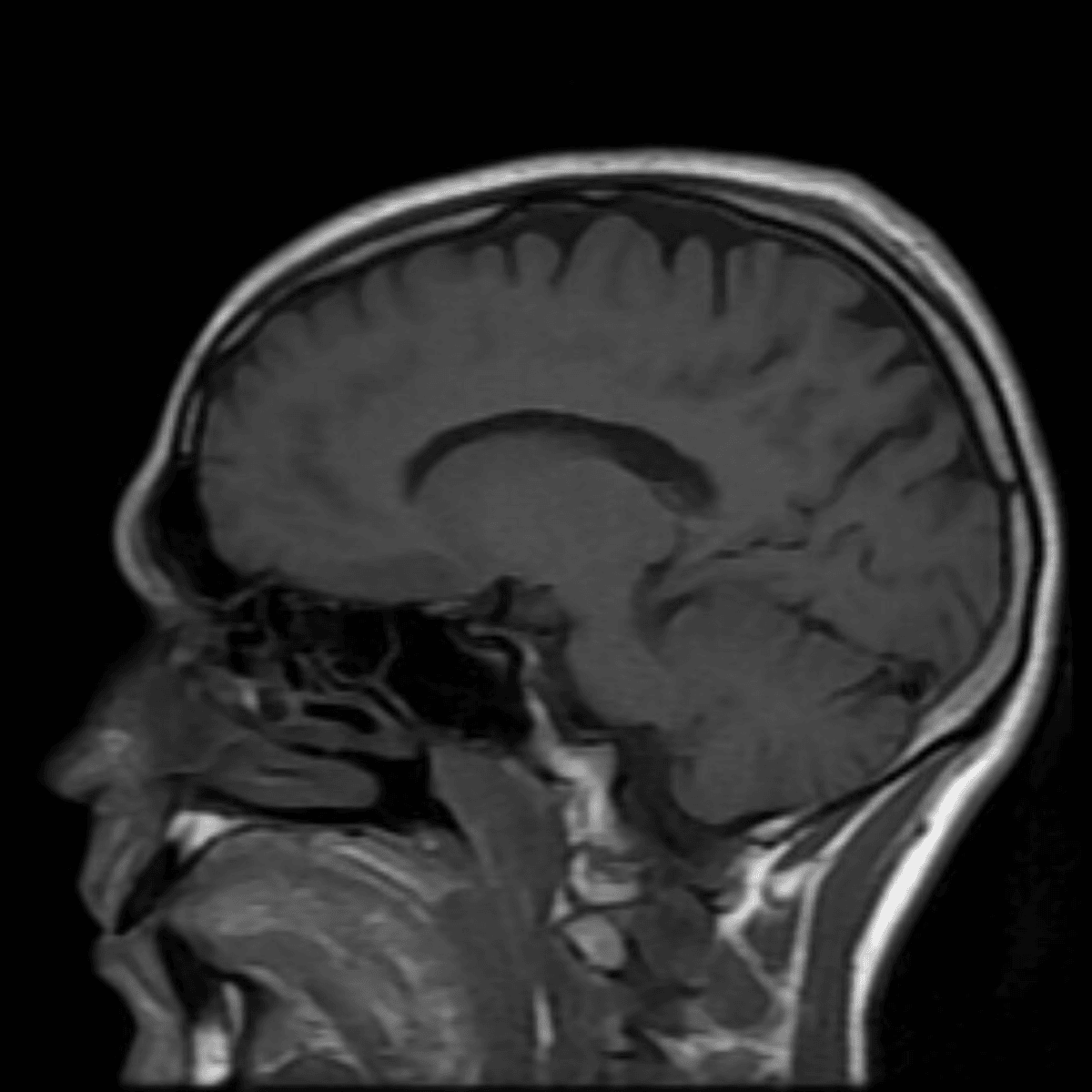
Conditions our MRI scans have found
Hip joint degenerative changes (*partial coverage)
As an individual ages, it is common for the cartilage (thin tissue that covers bone surfaces providing smooth, friction-free movement) in the hip joint to wear down. Degenerative hip joint changes can cause symptoms such as pain, stiffness, swelling around the joint, tenderness, limited range of motion, or a sensation of catching or grinding in the joint with movement.
Hydronephrosis
Hydronephrosis is the swelling (fullness) of a kidney due to the build-up of urine. It happens when urine cannot drain properly from the kidney to the bladder due to a blockage or obstruction. The condition can occur in one or both kidneys.
Heterogenous prostate
Typically on MRI, the prostate has a uniform (homogenous) appearance; however, sometimes the prostate looks patchy (heterogeneous). The causes of a heterogeneous area can vary, including past inflammation or infection, and rarely, cancer.
Hydronephrosis
Hydronephrosis is the swelling (fullness) of a kidney due to the build-up of urine. It happens when urine cannot drain properly from the kidney to the bladder due to a blockage or obstruction. The condition can occur in one or both (bilateral) kidneys.
Horsehoe kidney
Sometimes during embryonic development, the kidneys can fuse together to form a “horseshoe” appearance on imaging. This is a rare condition, with one estimate of 0.25% of the population having horseshoe kidneys. Most people with horseshoe kidneys do not have symptoms, but may have a higher risk of kidney stones, urinary tract infections (UTIs), hydronephrosis (swelling of a kidney due to a build-up of urine), and a type of kidney cancer called “Wilms tumor” (this most commonly presents during childhood).
Heterogeneous cystic uterine mass
The endometrium (the innermost lining of the uterus) is heterogeneous when it does not have the same appearance throughout. There is a cystic lesion (a sac-like pocket of tissue that contains fluid, air, or other substances) within the endometrium based on the MRI images. Causes for this can include fibroids, polyps or endometrial cancer.

Can't find what you're looking for?
Frequently Asked Questions
Unfortunately at this time, we are unable to scan people with pacemakers. There is a risk that the MRI magnetic fields will disrupt its operation, and we don't want that.
There are many different types of implants. We will need to know more about what you have. The good news is that almost all implants are MRI-safe. There is a chance the implant will affect the images we can get from the surrounding tissues.
Yes. Almost all IUDs are MRI-safe. Regardless, we check the MRI safety of all devices. Common MRI-safe IUDs are the Mirena and the Copper T.
Yes you can. There will be extra precautions we will take to ensure your safety while in the machine, so please inform staff before entering the MRI.
Yes. This is completely safe.