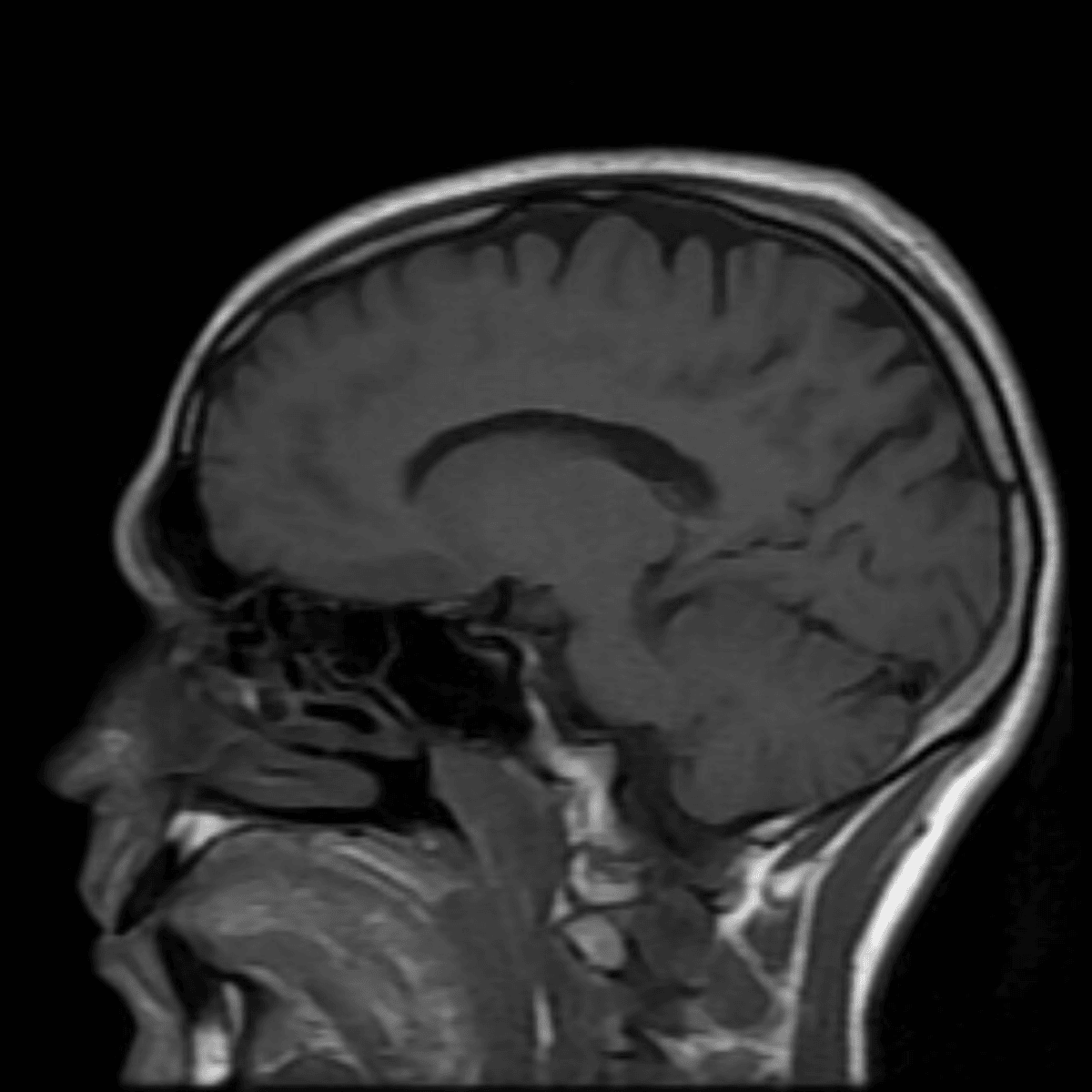
Conditions our MRI scans have found
Indeterminate galbladder lesion
A galbladder lesion is an abnormality seen on a galbladder-imaging test. A galbladder lesion may involve small to large areas of your galbladder, and the severity of the underlying condition may range from relatively minor to life-threatening. These lesions will need further work up to for a diagnosis.
Indeterminate liver lesion
A liver lesion is an abnormality seen on a liver-imaging test A liver lesion may involve small to large areas of your liver, and the severity of the underlying condition may range from relatively minor to life-threatening. These lesions will need further work up to for a diagnosis.
Indeterminate splenic lesion
A splenic lesion is an abnormality seen on a spleen-imaging test. A spleen lesion may involve small to large areas of your spleen, and the severity of the underlying condition may range from relatively minor to life-threatening. These lesions will need further work up to for a diagnosis.
Indeterminate kidney lesion
A kidney lesion is an abnormality seen on a kidney-imaging test. A kidney lesion may involve small to large areas of your kidney, and the severity of the underlying condition may range from relatively minor to life-threatening. These lesions will need further work up to for a diagnosis.kiden
Inguinal hernia (groin hernia)
An inguinal hernia occurs when tissue, such as part of the intestine or fat, pushes through a weak spot in the abdominal wall. Inguinal hernias are common, typically harmless, and do not require treatment unless there are symptoms. Possible symptoms include groin pain with exertion (e.g. lifting a heavy object) and inability to perform daily activities due to pain or discomfort from the hernia. In rare cases, the intestines or fat can get trapped (incarcerated) inside a hernia, causing persistent, severe pain, which requires emergent evaluation.
Indeterminate prostate lesion
An indeterminate prostate lesion is an area of prostate tissue that has been damaged by injury or disease with an unclear cause. It may be a result of prostatitis (inflammation of the prostate gland) or low-grade carcinoma (slow-growing cancer).

Can't find what you're looking for?
Frequently Asked Questions
Unfortunately at this time, we are unable to scan people with pacemakers. There is a risk that the MRI magnetic fields will disrupt its operation, and we don't want that.
There are many different types of implants. We will need to know more about what you have. The good news is that almost all implants are MRI-safe. There is a chance the implant will affect the images we can get from the surrounding tissues.
Yes. Almost all IUDs are MRI-safe. Regardless, we check the MRI safety of all devices. Common MRI-safe IUDs are the Mirena and the Copper T.
Yes you can. There will be extra precautions we will take to ensure your safety while in the machine, so please inform staff before entering the MRI.
Yes. This is completely safe.