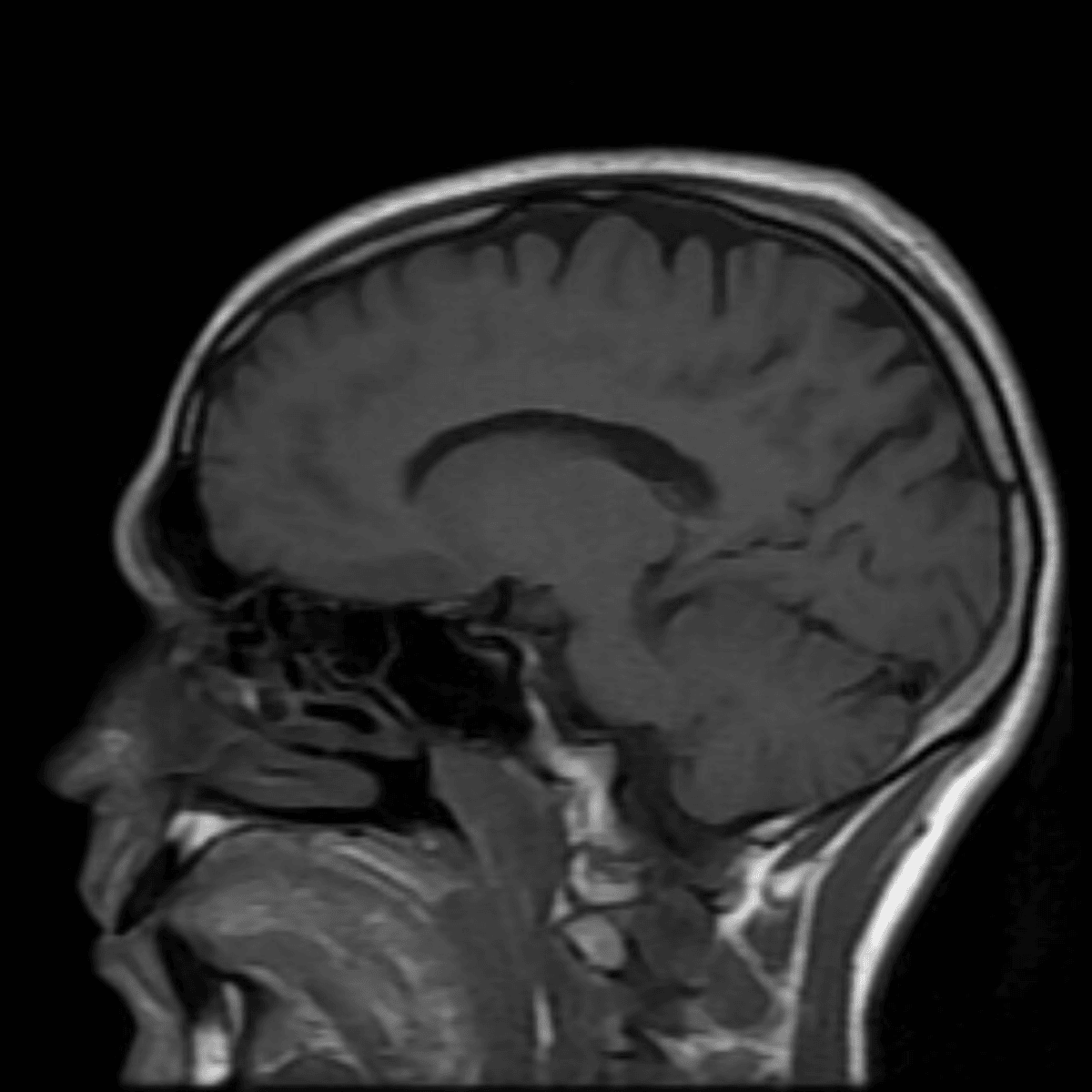
Conditions our MRI scans have found
Indeterminate renal lesion
There is probably protein or hemorrhage (evidence of blood), or possibly a mass, inside the kidney, which is not usual. This can be from recent trauma (e.g. falling, other hard physical contact) or something affecting the kidney internally. This will require further evaluation.
Imported item 280
Normally, kidneys are about the size of a fist or 10-12 cm (about 5 inches). The kidneys are generally close to each other in size with the size difference generally less than one centimeter in length. The right kidney is commonly slightly bigger than the left, but some individuals are born with a larger left kidney than the right.
Inflammation of the seminal vesicles
Inflammation of the seminal vesicles is most commonly caused by an infection and is often associated with concurrent infection elsewhere in the male genital tract. It is usually acute, but can be chronic. Risk factors for inflammation of the seminal vesicles include chronic prostatitis (inflammation of the prostate), urethritis (inflammation of the urethra, the tube that carries urine from the bladder out of the body), and acute epididymitis (inflammation of the epididymis, the tube located at the back of the testicles that stores and carries sperm).The spectrum of symptoms of seminal vesicle inflammation is broad and includes ejaculatory dysfunction (e.g. painful ejaculation, decreased ejaculate volume), infertility, pain (e.g. pelvic, flank, abdominal, groin), abdominal swelling, hematuria (blood in the urine) and pneumaturia (the passage of gas or “air” in the urine).
Inguinal hernia repair
An inguinal hernia occurs when tissue, such as part of the intestine or fat, pushes through a weak spot in the abdominal wall. Inguinal hernia repair is surgery to repair a hernia in the groin. During surgery to repair the hernia, the bulging tissue is pushed back in. The abdominal wall is strengthened and supported with sutures (stitches), and sometimes mesh. This repair can be done with open or laparoscopic surgery.
Impingement of the exiting nerve root
Sometimes when the spaces between the vertebrae (spine bones) become narrowed, the nerves that exit through these openings can get compressed (pinched or impinged) causing pain, numbness, tingling or weakness.
Indeterminate bone lesion
A lesion is an abnormality seen on an imaging test. A bone lesion may involve small to large areas of your bone(s) and the severity of the underlying condition may range from relatively minor to life-threatening. These lesions will need further work up to for a diagnosis.

Can't find what you're looking for?
Frequently Asked Questions
Unfortunately at this time, we are unable to scan people with pacemakers. There is a risk that the MRI magnetic fields will disrupt its operation, and we don't want that.
There are many different types of implants. We will need to know more about what you have. The good news is that almost all implants are MRI-safe. There is a chance the implant will affect the images we can get from the surrounding tissues.
Yes. Almost all IUDs are MRI-safe. Regardless, we check the MRI safety of all devices. Common MRI-safe IUDs are the Mirena and the Copper T.
Yes you can. There will be extra precautions we will take to ensure your safety while in the machine, so please inform staff before entering the MRI.
Yes. This is completely safe.