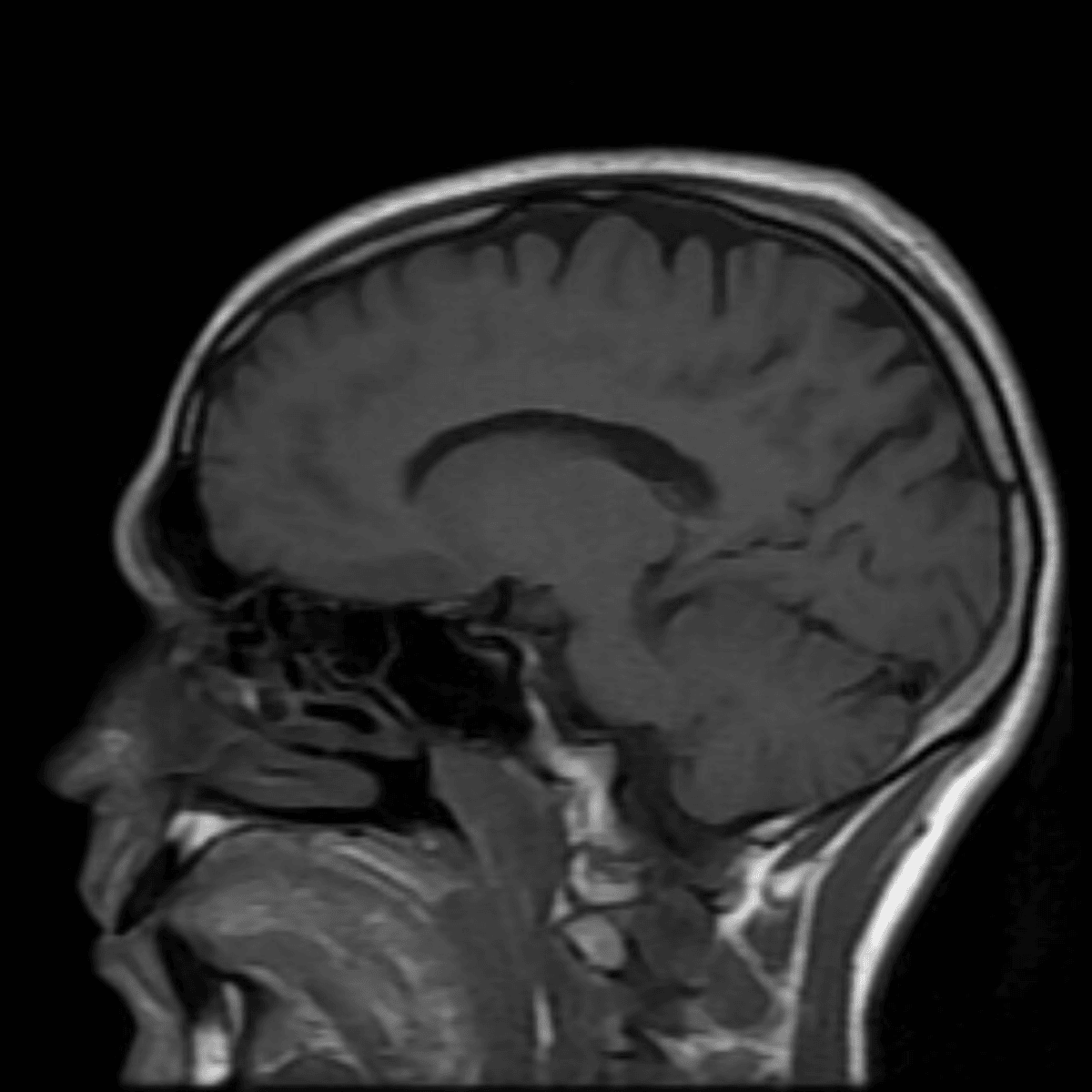
Conditions our MRI scans have found
Infarct/Stroke
An infarct (short for infarction) is a stroke caused by an interruption of a healthy blood supply to the brain. Old infarcts are not reversible. They are most commonly caused by the same risk factors that cause heart disease, including high blood pressure, poor cholesterol levels, diabetes, smoking and sometimes emboli (small particles such as blood clots or plaque that traveled from other parts of the body).
Indeterminate brain lesion
A brain lesion is an abnormality seen on a brain-imaging test. A brain lesion may involve small to large areas of your brain, and the severity of the underlying condition may range from relatively minor to life-threatening. These lesions will need further work up to for a diagnosis.
Indeterminate lesion of the lung
A lesion is an abnormality seen on a lung-imaging test. A lung lesion may involve small to large areas of your lung(s), and the severity of the underlying condition may range from relatively minor to life-threatening. These lesions will need further work up to for a diagnosis.
Intraductal Papillary Mucinous Neoplasm / IPMN
The pancreas is a long, flat gland that sits tucked behind the stomach in the upper abdomen. Its main function is to produce enzymes that help with digestion and hormones that help regulate the way the body processes sugar. Intraductal papillary mucinous neoplasm (IPMN) is a precancerous lesion of the pancreas with risk of developing into cancer over time.
Intrahepatic biliary duct dilatation
The intrahepatic biliary duct is a tube that is inside the liver and transports bile in the liver. Dilatation is the expansion or widening of the duct. Dilatation of the bile duct can be due to several causes including obstruction (blockage) of the bile duct, presence of a cyst or mass in the bile duct, benign (non-cancerous) strictures or infection. Symptoms, if present, could include right upper quadrant pain and/or jaundice.
Killian Jamieson diverticulum
A Killian-Jamieson diverticulum, a rare type of esophageal diverticulum that develops as a protrusion of mucosa (the membrane that lines the inside of the GI tract) through a muscular defect/weakness in the esophagus.

Can't find what you're looking for?
Frequently Asked Questions
Unfortunately at this time, we are unable to scan people with pacemakers. There is a risk that the MRI magnetic fields will disrupt its operation, and we don't want that.
There are many different types of implants. We will need to know more about what you have. The good news is that almost all implants are MRI-safe. There is a chance the implant will affect the images we can get from the surrounding tissues.
Yes. Almost all IUDs are MRI-safe. Regardless, we check the MRI safety of all devices. Common MRI-safe IUDs are the Mirena and the Copper T.
Yes you can. There will be extra precautions we will take to ensure your safety while in the machine, so please inform staff before entering the MRI.
Yes. This is completely safe.