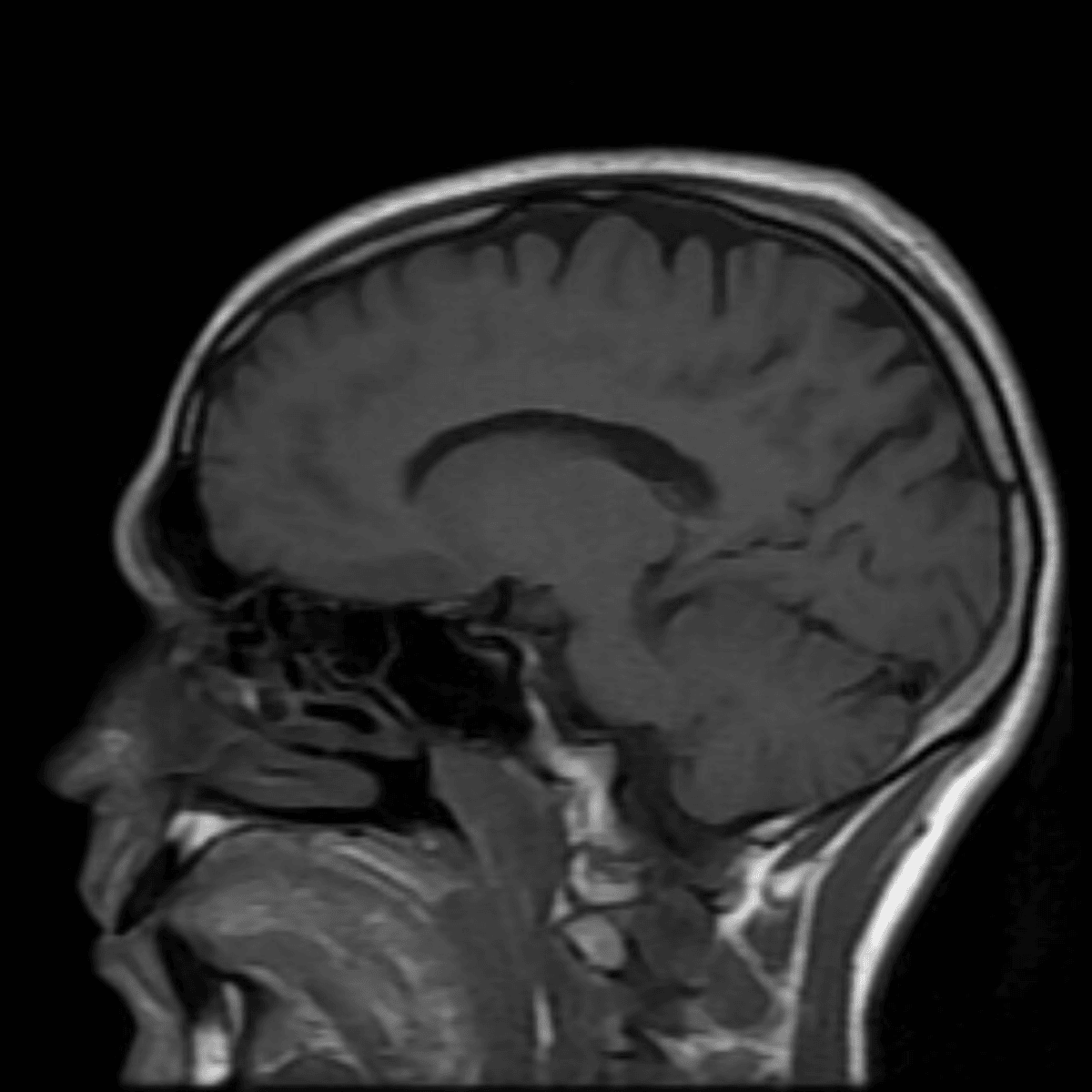
Conditions our MRI scans have found
Lung cancer
Cancer that forms in tissues of the lung, usually in the cells lining air passages. The two main types are small cell lung cancer and non-small cell lung cancer. These types are diagnosed based on how the cells look under a microscope.
Lung tumor
“Tumor” simply means an abnormal buildup of tissue that occurs when cells divide too quickly or do not die off as they normally should. A lung tumor is a tumor that occurs in the lung tissue itself or in the airways that lead to the lungs. Lung tumors can be either cancerous (malignant) or benign (non-cancerous).
Lung metastises
Lung metastases are formed by the spread of cancer from other organs to the lung.
Metastasis
Cancer cells can spread by breaking away from the primary (original) tumor, traveling through blood vessels or lymph nodes to reach other parts of the body. After traveling, cancer cells can attach to other tissues and grow more of the abnormal cells.
Nasal cavity polyp
Polyps are small soft tissue growths that commonly occur in the nasal passageway and are frequently associated with chronic rhinosinusitis, allergies, asthma, and aspirin sensitivity in the syndrome of aspirin-exacerbated respiratory disease (AERD). Large growths can sometimes cause symptoms of nasal airway congestion or blockage, thick discharge, and anosmia (the loss of the ability to detect one or more smells).
Nasal septal deviation
A deviated septum is when the thin wall (nasal septum) between the nasal passages is off-center (deviated) to one side, making one nasal passage smaller than the other. This can be present at birth or from an injury to the nose. Often a deviated septum does not cause symptoms and no further evaluation or management is needed.

Can't find what you're looking for?
Frequently Asked Questions
Unfortunately at this time, we are unable to scan people with pacemakers. There is a risk that the MRI magnetic fields will disrupt its operation, and we don't want that.
There are many different types of implants. We will need to know more about what you have. The good news is that almost all implants are MRI-safe. There is a chance the implant will affect the images we can get from the surrounding tissues.
Yes. Almost all IUDs are MRI-safe. Regardless, we check the MRI safety of all devices. Common MRI-safe IUDs are the Mirena and the Copper T.
Yes you can. There will be extra precautions we will take to ensure your safety while in the machine, so please inform staff before entering the MRI.
Yes. This is completely safe.