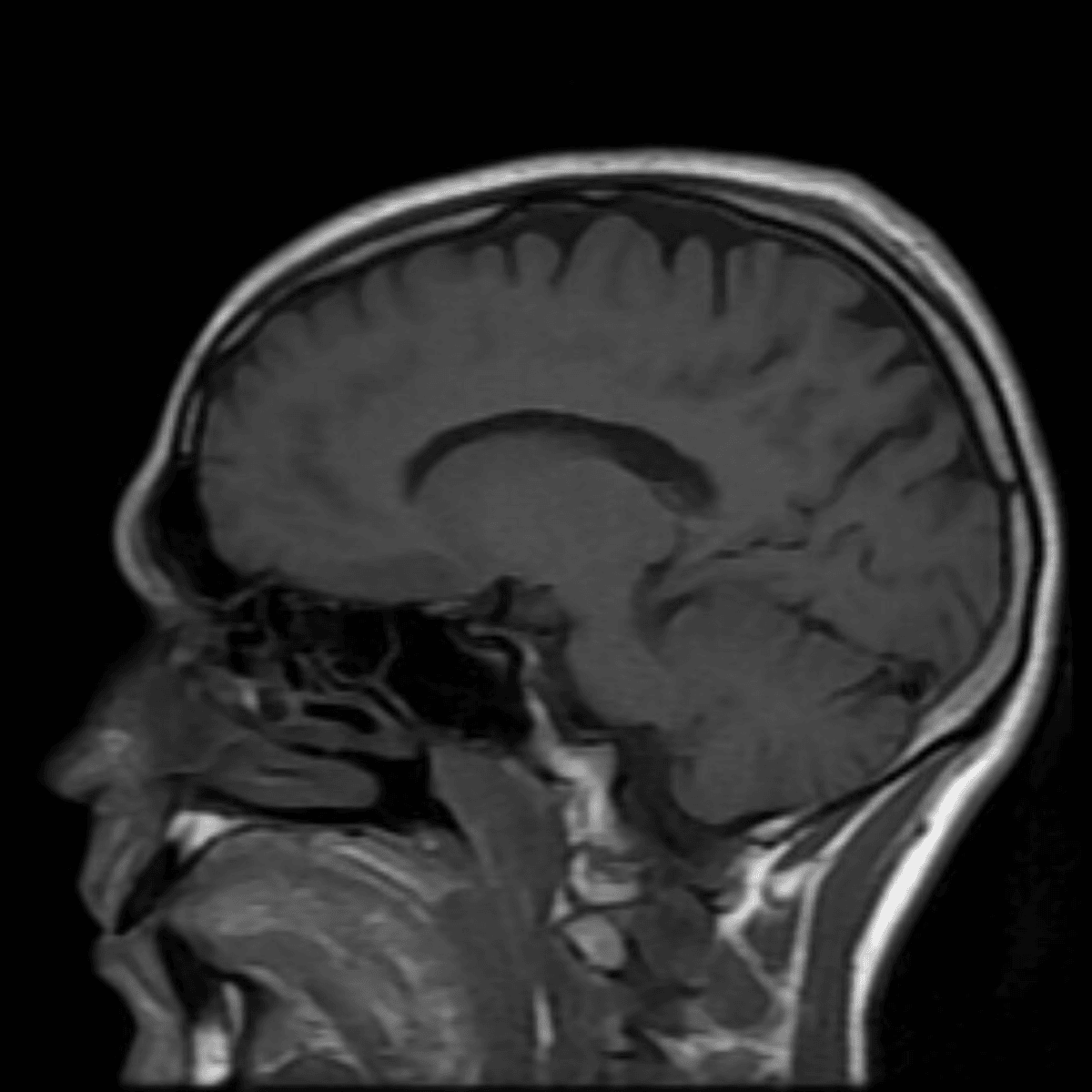
Conditions our MRI scans have found
Nasal septal perforation
A nasal septal perforation is when there is a hole in the nasal septum. This can be caused by prior surgeries, chronic sinus inflammation, drug use (i.e. cocaine), intranasal medication use (i.e. "Afrin") and autoimmune conditions. Symptoms from a perforated nasal septum can include the sensation of nasal congestion (from disrupted airflow), epistaxis (nose bleed) and crusting. Treatment of nasal septal perforation can include medical and possibly surgical management.
Nasal turbinate hypertrophy (congestion of the nasal turbinates)
Hypertrophy (i.e. congestion, prominence, swelling) of the nasal turbinates can occur alone or in combination with other nasal and sinus symptoms (e.g. runny nose, sinus pressure/pain, headache, and/or post-nasal drip). This can be from infections, exposure to chemical agents (e.g. bleach), deviated septum, overuse of nasal decongestants, or airway conditions such as allergies, rhinitis, or asthma.
Mastoiditis
Mastoiditis is an infection of the mastoid bone of the skull. The mastoid bone is located just behind the ear.
Mesenteritis
The mesentery is the tissue that secures the small intestines to the body. Based on your MRI images, there could be mesenteritis (inflammation of the mesentery). It is not known what causes this. Symptoms of mesenteritis include abdominal pain, bloating, vomiting, diarrhea, fever or weight loss.
Mesenteric panniculitis
Mesenteric panniculitis, also called sclerosing mesenteritis, occurs when the tissue (mesentery) that holds the small intestines in place becomes inflamed and forms scar tissue. Mesenteric panniculitis is rare, and it's not clear what causes it.Mesenteric panniculitis can cause abdominal pain, vomiting, bloating, diarrhea and fever, however, some people experience no signs and symptoms and may never need treatment. In rare cases, scar tissue formed by mesenteric panniculitis can block food from moving through the digestive tract. In this case, surgery may be indicated.
Median lobe hypertrophy resulting in intravesical prostatic protrusion
The median lobe is located between the ejaculatory ducts and the urethra (the tube that carries urine from the bladder out of the body) in the central zone of the prostate. Hypertrophy refers to an increase in the size and number of cells in this part of the prostate. When there is overgrowth of the prostatic median lobe into the bladder, it can cause bladder outlet obstruction and related storage and voiding symptoms. While minimal hypertrophic changes may not cause symptoms, progression of these changes (also known as benign prostatic hyperplasia or BPH) may cause lower urinary tract symptoms including needing to urinate often (especially at night), difficulty starting to urinate and having a weak urine stream.

Can't find what you're looking for?
Frequently Asked Questions
Unfortunately at this time, we are unable to scan people with pacemakers. There is a risk that the MRI magnetic fields will disrupt its operation, and we don't want that.
There are many different types of implants. We will need to know more about what you have. The good news is that almost all implants are MRI-safe. There is a chance the implant will affect the images we can get from the surrounding tissues.
Yes. Almost all IUDs are MRI-safe. Regardless, we check the MRI safety of all devices. Common MRI-safe IUDs are the Mirena and the Copper T.
Yes you can. There will be extra precautions we will take to ensure your safety while in the machine, so please inform staff before entering the MRI.
Yes. This is completely safe.