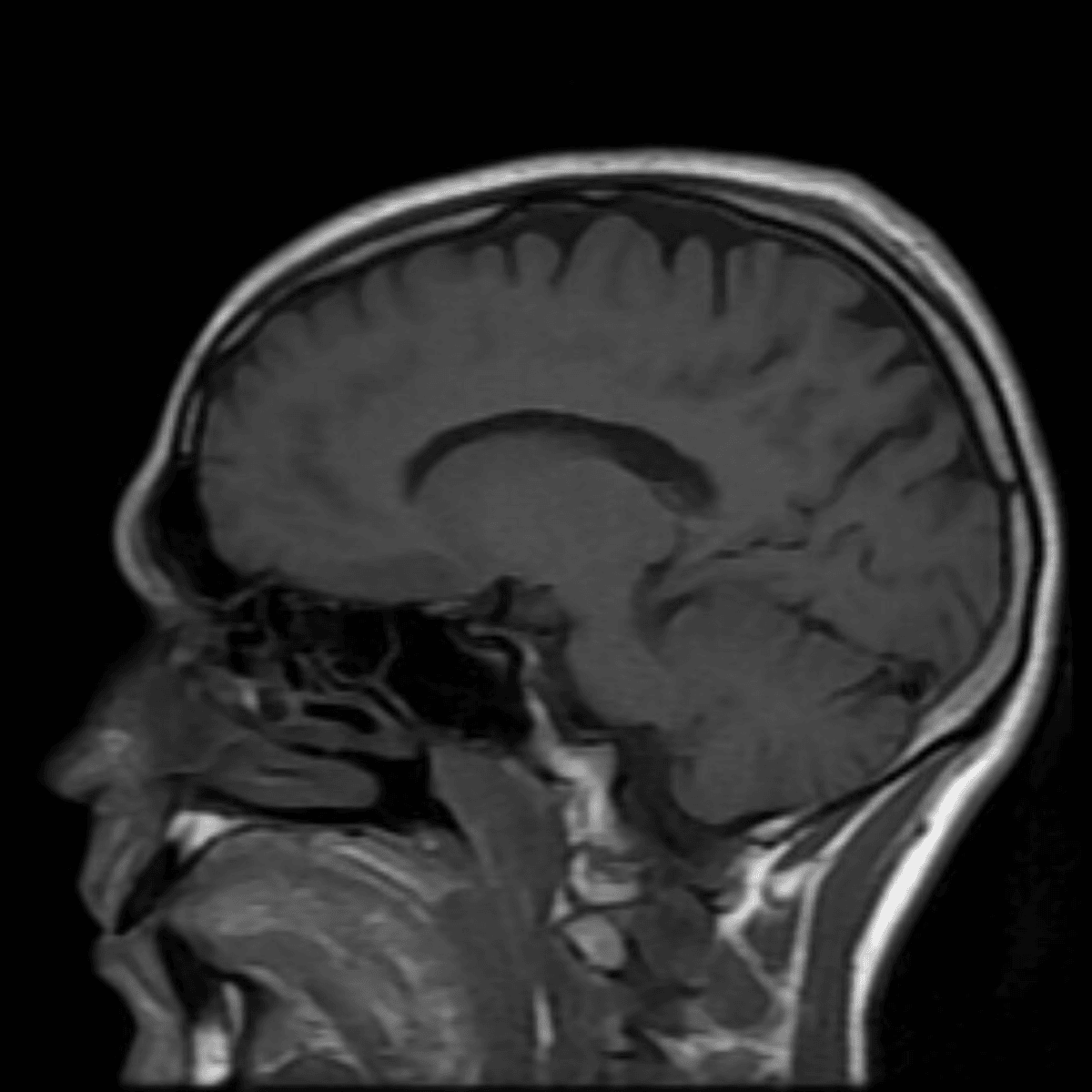
Conditions our MRI scans have found
Myelomalacia
Myelomalacia means softening of the spinal cord, the major nerve “highway” between the brain and the rest of the body. This is typically caused by insufficient blood supply to the spine, which arises from trauma or severe degenerative changes from aging wear-and-tear on the spine.Myelomalacia is a serious condition and can lead to neurologic symptoms such as muscle weakness, numbness, incontinence, and difficulty breathing if very severe. Surgery may be required to stabilize the area of the spine and restore normal blood flow to that region.
Meningioma
Meningiomas are the most frequent primary brain tumors, however, most are benign (non-cancerous). A meningioma is a tumor that forms on membranes, called meninges, that cover the brain and spinal cord. The underlying cause is not well known but exposure to ionizing radiation is the most important risk factor for meningioma formation. Most asymptomatic (do not cause symptoms) meningiomas remain either the same size or grow very slowly over a long time. Sometimes a meningioma, because of its size and/or location, can cause symptoms including visual changes, extremity weakness, confusion or seizures.
Microangiopathy
Microangiopathy is a term that is used to describe changes to the small blood vessels in the brain. The cause is not completely understood, but could be the result of plaque buildup and hardening (atherosclerosis) of the small blood vessels nourishing the brain. This is the same process that can narrow and damage heart blood vessels.
Mild cerebral atrophy
Brain tissue tends to shrink (atrophy) at the rate of about 0.2% per year from the age of 30 and then accelerates after the age of 60, due to genetic, environmental, and lifestyle factors. Volume loss which is out of proportion to age may represent a pathologic process or risk factor for future decline in cognition. There are currently no established guidelines for investigating or monitoring this condition; however, you could consider repeat MRIs to monitor progression or stability of this finding.
Mass effect upon gyri
Gyri are ridges on the surface of the brain. Mass effect is compressing/pushing of the adjacent gyri from an adjacent mass.
Meningoencephalocele
Meningoencephalocele is an abnormal sac of fluid, brain tissue, and meninges (membranes that cover the brain and spinal cord) that extends through a defect in the skull. The condition is typically congenital (present at birth) but can infrequently develop in older individuals. The underlying cause of the condition is uncertain. Hydrocephalus (a build-up of cerebrospinal fluid inside the brain) and abnormalities of the eyeball and tear duct have been clinically associated with meningoencephalocele.

Can't find what you're looking for?
Frequently Asked Questions
Unfortunately at this time, we are unable to scan people with pacemakers. There is a risk that the MRI magnetic fields will disrupt its operation, and we don't want that.
There are many different types of implants. We will need to know more about what you have. The good news is that almost all implants are MRI-safe. There is a chance the implant will affect the images we can get from the surrounding tissues.
Yes. Almost all IUDs are MRI-safe. Regardless, we check the MRI safety of all devices. Common MRI-safe IUDs are the Mirena and the Copper T.
Yes you can. There will be extra precautions we will take to ensure your safety while in the machine, so please inform staff before entering the MRI.
Yes. This is completely safe.