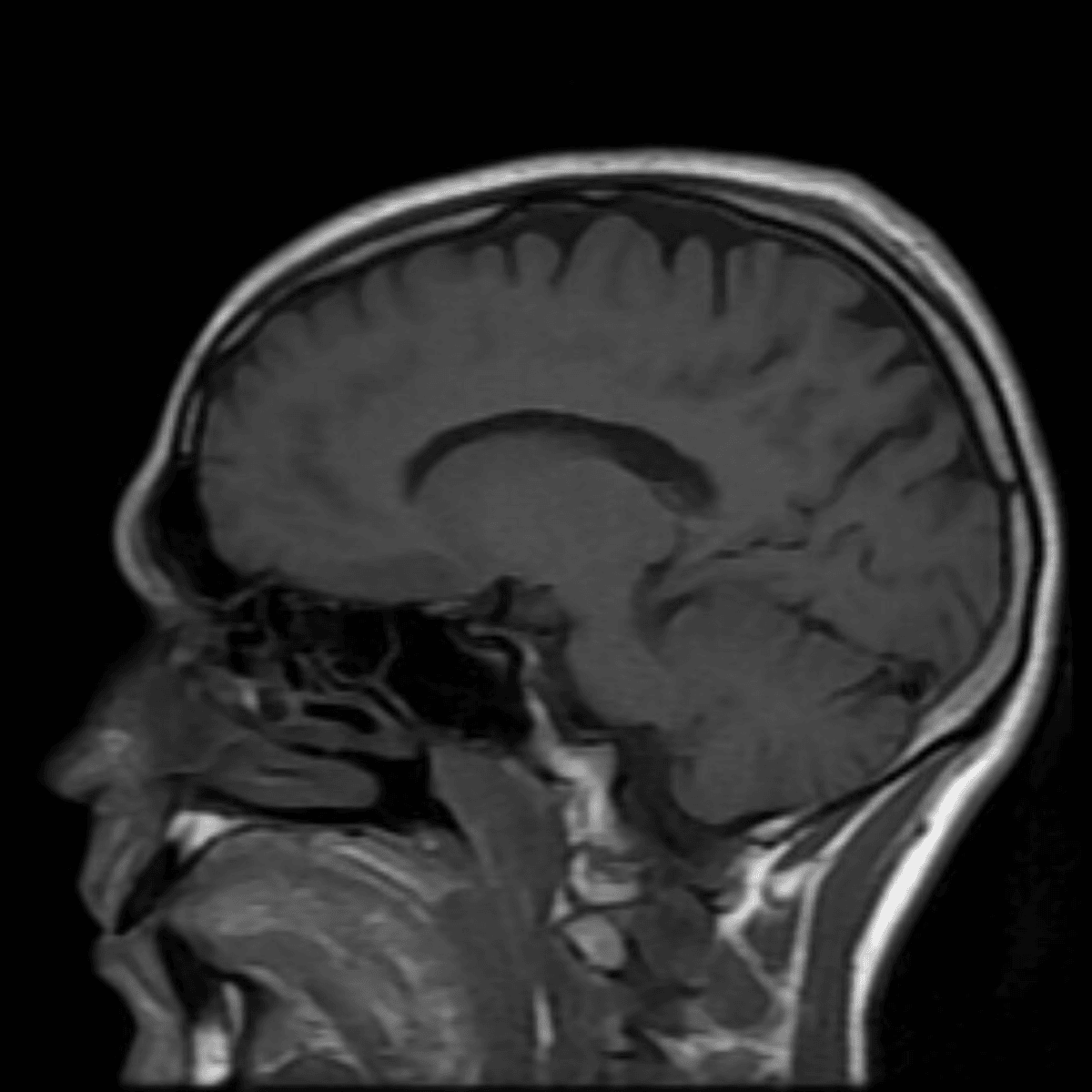
Conditions our MRI scans have found
Neoplasm/tumor
Neoplasm (also called tumors) refers to an abnormal mass of tissue that forms when cells grow and divide more than they should or do not die when they should. Neoplasms may be benign (not cancer) or malignant (cancer). Benign neoplasms may grow large but do not spread into, or invade, nearby tissues or other parts of the body. Malignant neoplasms can spread into, or invade, nearby tissues. They can also spread to other parts of the body through the blood and lymph systems.
Osteoma of the sinuses
Osteomas are benign (non-cancerous), slow-growing bony tumors involving the base of the skull and paranasal sinuses. Causes of osteoma development include congenital, inflammatory, or traumatic factors, but in most cases the cause is unknown.
Osteochondroma
Osteochondromas are benign (non-cancerous) tumors that develop on the surface of a bone near the growth plate during childhood or adolescence. Most often, osteochondromas affect the long bones in the pelvis, the leg, or the shoulder blade.
Opacified tympanic / mastoid cavity
The tympanic cavity is a small cavity surrounding the bones of the middle ear. The mastoid is the part of the skull located behind the ear. It is filled with air cells made of bone and looks like a honeycomb. In the absence of recent injury, if the tympanic/mastoid cavity is noted to be opacified on imaging studies, it usually reflects chronic inflammation and/or infection.
Nasopharyngeal retention cyst
Nasopharyngeal cysts are fluid collections that are usually benign (non-cancerous). Symptoms that may occur include nasal/sinus symptoms such as runny nose, headache and nasal obstruction. While asymptomatic cysts do not require treatment, marsupialization (a surgical procedure to remove the cyst) may be indicated for those that cause symptoms.
Ovarian dermoid cyst (Ovarian dermoid tumor)
Dermoid cysts (also known as dermoid tumors or teratomas) can contain tissue, such as hair, skin or teeth, because they form from embryonic cells. They are rarely cancerous and are the most common ovarian tumor in women in their 20s and 30s. Uncomplicated ovarian dermoid cysts are usually asymptomatic. If they become large, it can cause ovarian torsion (painful twisting of the ovary) and even stop blood flow to the ovary.

Can't find what you're looking for?
Frequently Asked Questions
Unfortunately at this time, we are unable to scan people with pacemakers. There is a risk that the MRI magnetic fields will disrupt its operation, and we don't want that.
There are many different types of implants. We will need to know more about what you have. The good news is that almost all implants are MRI-safe. There is a chance the implant will affect the images we can get from the surrounding tissues.
Yes. Almost all IUDs are MRI-safe. Regardless, we check the MRI safety of all devices. Common MRI-safe IUDs are the Mirena and the Copper T.
Yes you can. There will be extra precautions we will take to ensure your safety while in the machine, so please inform staff before entering the MRI.
Yes. This is completely safe.