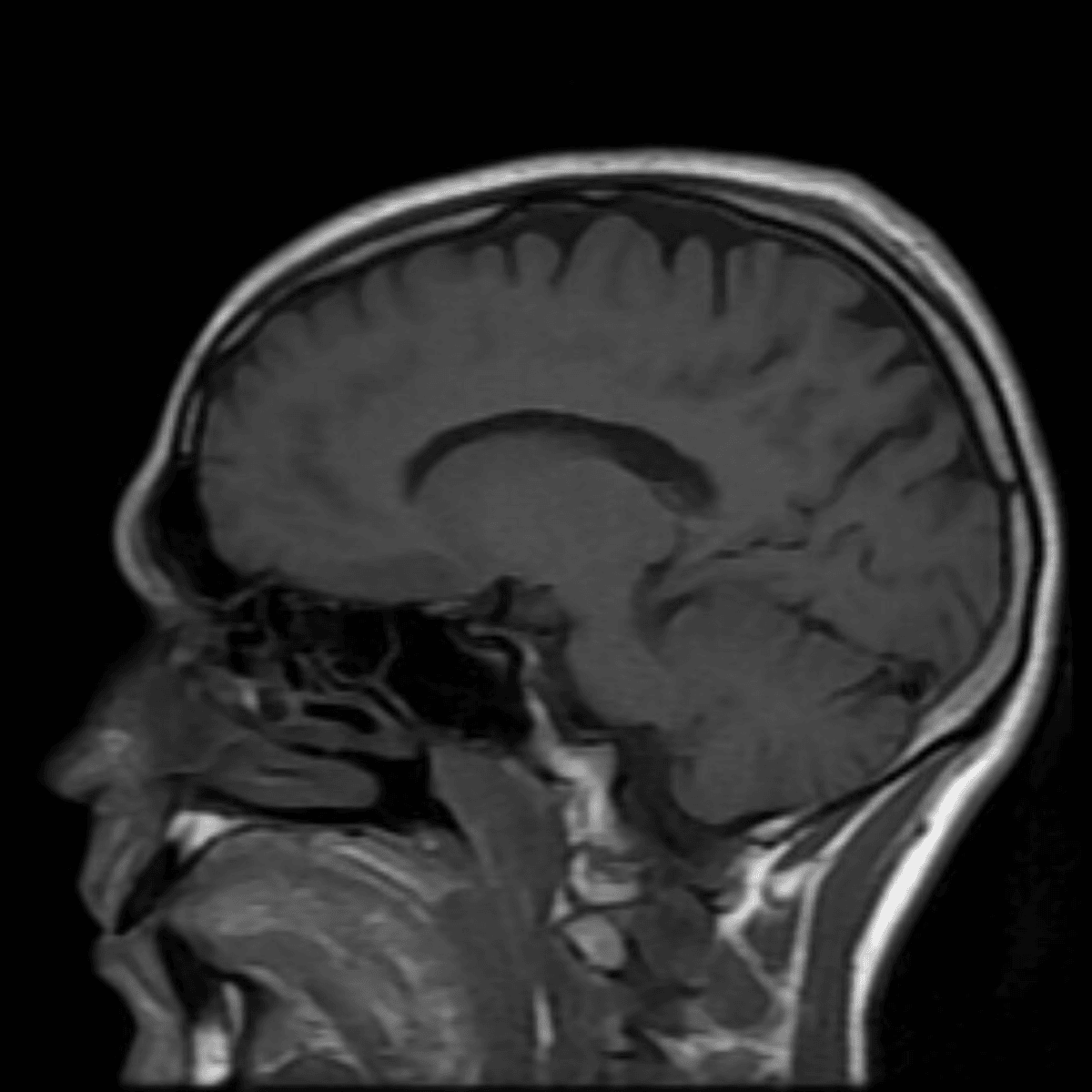
Conditions our MRI scans have found
Asymmetric petrous apex pneumatization
The petrous bone is one part of the temporal bone, a major part of the skull that helps form the sides and base of the skull. Usually the petrous bone is completely solid but sometimes it can be “pneumatized” (have air spaces).
Atherosclerosis of the right common iliac artery
The common iliac arteries branch off from the end of the abdominal aorta (the main blood vessel that exits the heart, bringing oxygen-rich blood to the rest of the body). The common iliac arteries provide the primary blood supply to the lower limbs. Atherosclerosis is when plaque (cholesterol containing fatty deposits) builds up and hardens the blood vessels, and if it progresses, can block blood flow causing heart attack or stroke. Risk factors for atherosclerosis include high blood pressure, poor cholesterol, diabetes, and smoking.
Appendicial Mucocoels
The appendix is a small tube of tissue attached to your large intestine. An appendiceal mucocele describes when there is a mucus collection inside the appendix. This is an uncommon finding, with an incidence of less than 1%. Appendiceal mucoceles can be asymptomatic (does not cause symptoms), but could cause right lower abdominal pain, nausea, vomiting and weight loss. In rare instances, the mucocele can have malignant (cancerous) features.
Benign-appearing retroperitoneal cystic lesion
Retroperitoneal refers to the anatomical space located behind the abdominal or peritoneal cavity and holds the organs that contribute to several systems in the body, including the urinary, adrenal, circulatory, gastrointestinal, and endocrine systems. Cysts (pockets of fluid) are benign (non-cancerous) findings that usually cause no signs or symptoms and need no treatment. However, they may become large enough to cause pain or discomfort in the abdomen or pelvic area.
Benign-appearing adrenal gland cyst
There are two adrenal glands in the body, one on top of each kidney. The adrenal glands make hormones that regulate the body’s metabolism, response to stress, and water/salt balance. Adrenal cysts are sac-like pockets of membranous tissue that contain fluid. Most adrenal cysts are benign (non-cancerous), asymptomatic (do not cause symptoms) and do not require intervention. Possible symptoms, if any, can include abdominal discomfort or pain due to physical enlargement of the cyst and endocrine abnormalities (excessive production of hormones).
Ascites
Accumulation of fluid in the abdominal cavity is called ascites. There are numerous causes of ascites, but the most common cause in the U.S. is cirrhosis of the liver (which accounts for approximately 80% of cases). Cirrhosis is a condition in which scar tissue replaces healthy liver tissue and prevents the liver from working normally. Other common causes of ascites are cancer-related or due to heart failure.

Can't find what you're looking for?
Frequently Asked Questions
Unfortunately at this time, we are unable to scan people with pacemakers. There is a risk that the MRI magnetic fields will disrupt its operation, and we don't want that.
There are many different types of implants. We will need to know more about what you have. The good news is that almost all implants are MRI-safe. There is a chance the implant will affect the images we can get from the surrounding tissues.
Yes. Almost all IUDs are MRI-safe. Regardless, we check the MRI safety of all devices. Common MRI-safe IUDs are the Mirena and the Copper T.
Yes you can. There will be extra precautions we will take to ensure your safety while in the machine, so please inform staff before entering the MRI.
Yes. This is completely safe.