Conditions our MRI scans have found
Renal mass concerning for renal cell carcinoma
Renal cell carcinoma (RCC), also known as renal cell cancer or renal cell adenocarcinoma, is the most common type of kidney cancer.
Renal pelvis
The renal pelvis is a chamber where all the urine-forming ducts meet before routing to the urinary bladder. Any portion of the renal pelvis located outside the kidney is considered the extrarenal pelvis. The extrarenal pelvis is a normal variation found in about 10% of the general population. Usually an extrarenal pelvis is asymptomatic (does not cause symptoms), but sometimes there can be complications such as frequent urinary tract infections or kidney stone formation.
Remote fracture
A previous bone fracture that is now healed. No further follow-up or evaluation is needed for this finding.
Retrolisthesis
Retrolisthesis is when there is backward slipping of the vertebra (spinal bone.) Retrolistheis occurs most often after age 40 because of degenerative wear-and-tear. Symptoms, if any, usually correlate with the grade of vertebral slippage, and can include localized pain, decreased range of motion, and numbness or tingling. If the slippage is in the lower back the pain may spread across the lower back and/or radiate to the buttocks and to the back of the thighs, and may feel like a muscle strain. It can also cause spasms in the hamstring muscles.
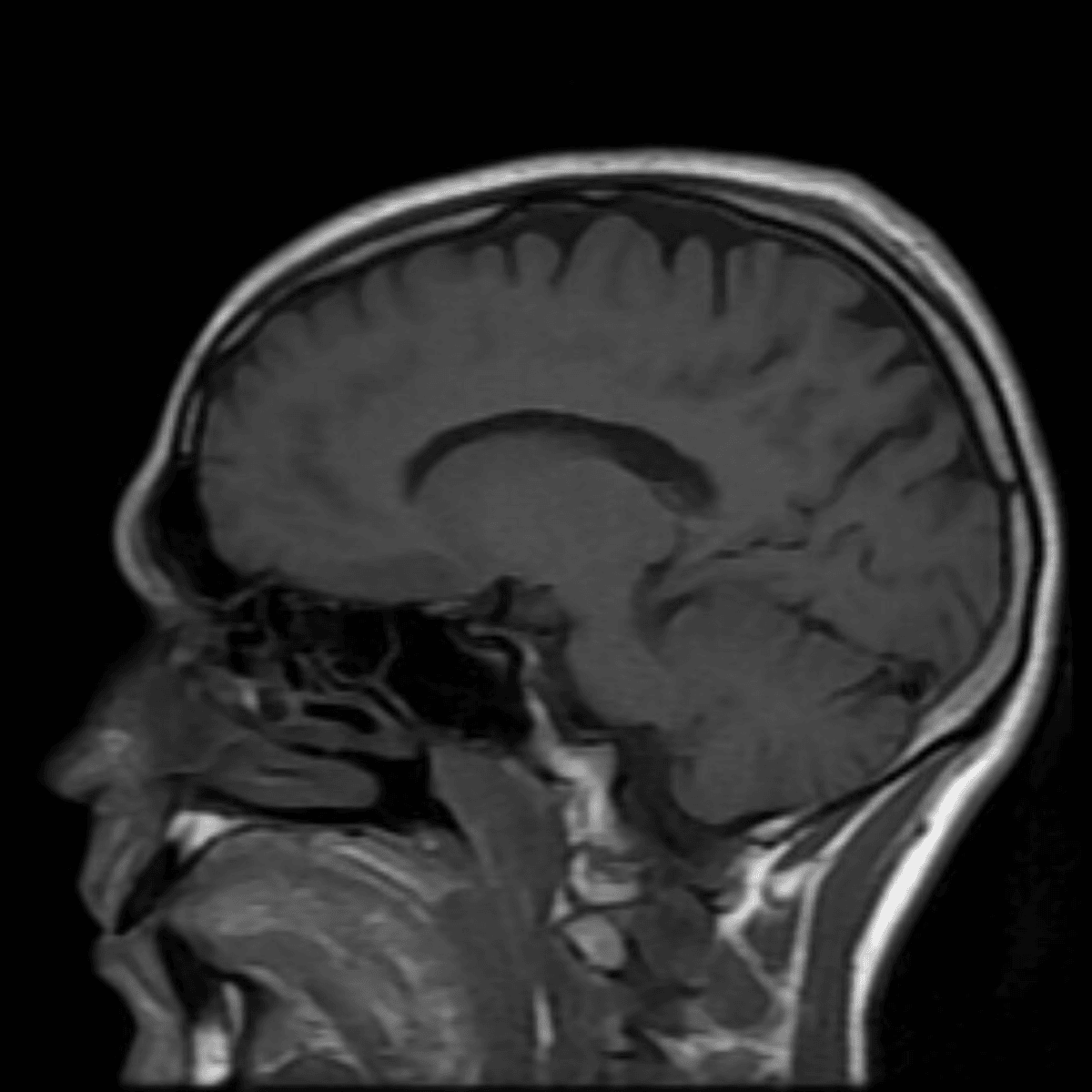
Retro-cerebellar arachnoid cyst
The cerebellum is the area at the back and bottom of the brain, behind the brainstem (where the spinal cord meets the brain). The retro-cerebellum is the area just behind or below the cerebellum.The brain and spinal cord are covered by three protective membrane-linings called meninges. Sometimes, for unclear reasons, extra cerebral spinal fluid (CSF) can collect under the middle membrane - the arachnoid membrane. This leads to the formation of a benign (non-cancerous) collection of fluid called an arachnoid cyst. Arachnoid cysts account for approximately 1% of intracranial masses.
Salivary gland stones
A parotid gland is located in front of each ear and is one of the three major glands that provide the mouth with saliva. Salivary gland stones usually do not cause symptoms but sometimes if they block the gland, it can cause pain and swelling of the salivary gland, especially before or while eating food. Conservative management is the mainstay of treatment in the majority of individuals, which includes keeping well hydrated, applying moist heat to the involved area, and “milking”/massaging the gland.

Can't find what you're looking for?
Frequently Asked Questions
Unfortunately at this time, we are unable to scan people with pacemakers. There is a risk that the MRI magnetic fields will disrupt its operation, and we don't want that.
There are many different types of implants. We will need to know more about what you have. The good news is that almost all implants are MRI-safe. There is a chance the implant will affect the images we can get from the surrounding tissues.
Yes. Almost all IUDs are MRI-safe. Regardless, we check the MRI safety of all devices. Common MRI-safe IUDs are the Mirena and the Copper T.
Yes you can. There will be extra precautions we will take to ensure your safety while in the machine, so please inform staff before entering the MRI.
Yes. This is completely safe.