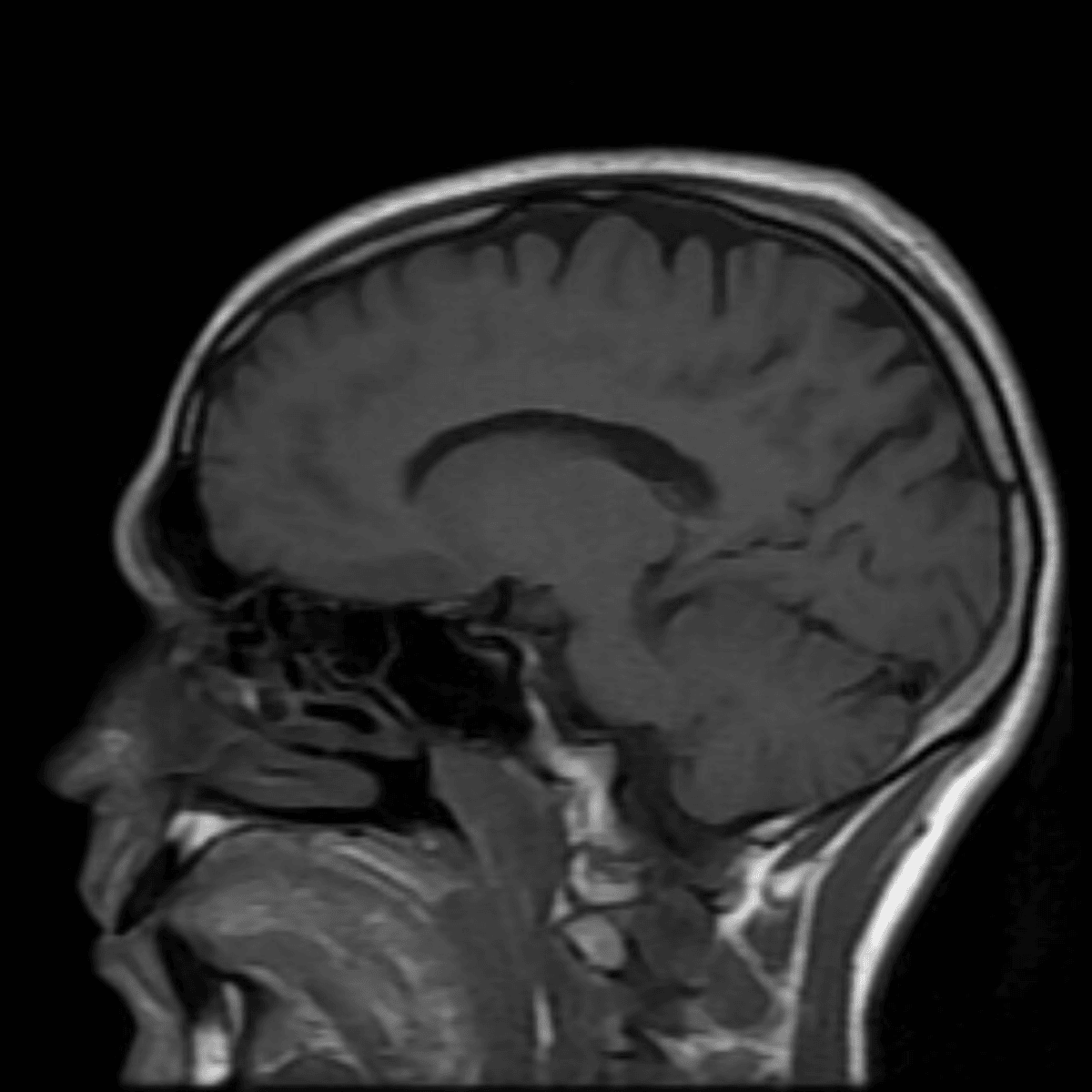
Conditions our MRI scans have found
Cyst
A cyst is a sac-like pocket of membranous tissue that contains fluid, air, or other substances. Cysts can grow almost anywhere in the body or under the skin. There are many different types of cysts. Most cysts are benign (non-cancerous). Whether a cyst needs treatment depends on a number of factors, including the type of cyst, the location, if the cyst is causing pain or discomfort, and whether the cyst is infected.
Cutaneous scalp nodule
The scalp refers to the layers of skin and tissue that cover the head. Cutaneous (skin) nodules are abnormal growths of tissue on or in the skin. They may be non-cancerous (e.g. lipoma, cyst, abscess, hematoma) or malignant (cancerous).
Chronic fat necrosis
Sometimes when fat cells are injured (e.g. car collision, surgery), the cells can liquify and the body forms scar tissue around it. This can show up as a lump, and sometimes can cause physical discomfort.
Collapsed blader
A collapsed, or incompletely distended bladder, indicates that at the time of MRI examination, the bladder was not full of urine. This finding does not indicate any underlying condition.
Contracted gallbladder
The gallbladder contracts ("shrinks") when it releases bile, and then relaxes, returning to its usual size - this physiologic process can show a "contracted gallbladder" on radiologic imaging. Sometimes, a contracted gallbladder can be caused by chronic inflammation (e.g. symptomatic gallstones) causing gallbladder scarring and a permanently smaller-than-usual gallbladder.
Complex liver cyst
A complex liver cyst is a cyst (fluid pocket) with debris containing fluid, solid components (nodularity), internal walls (septations) and/or thickened walls.

Can't find what you're looking for?
Frequently Asked Questions
Unfortunately at this time, we are unable to scan people with pacemakers. There is a risk that the MRI magnetic fields will disrupt its operation, and we don't want that.
There are many different types of implants. We will need to know more about what you have. The good news is that almost all implants are MRI-safe. There is a chance the implant will affect the images we can get from the surrounding tissues.
Yes. Almost all IUDs are MRI-safe. Regardless, we check the MRI safety of all devices. Common MRI-safe IUDs are the Mirena and the Copper T.
Yes you can. There will be extra precautions we will take to ensure your safety while in the machine, so please inform staff before entering the MRI.
Yes. This is completely safe.