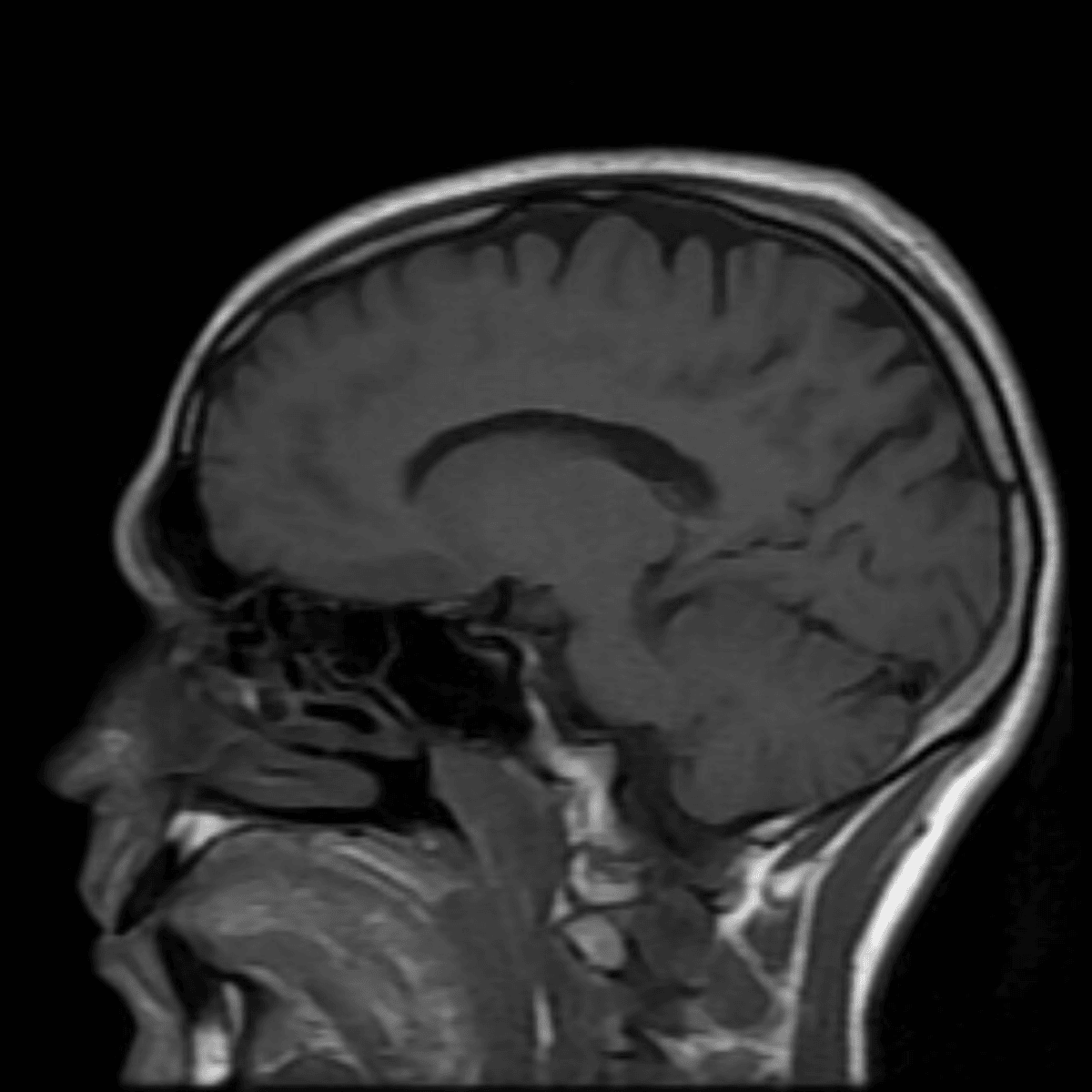
Conditions our MRI scans have found
Common iliac artery aneurysm
The common iliac arteries branch off from the end of the abdominal aorta (the main blood vessel that exits the heart, bringing oxygen-rich blood to the rest of the body). The common iliac arteries provide the primary blood supply to the lower limbs. An iliac aneurysm is a bulging and weakness in the wall of the iliac artery.
Chronic constipation
There is a moderate amount of stool present in the large intestine (colon). Constipation is a common condition that makes it hard to have bowel movements due to stools being too hard, too small, infrequent or difficult to pass. Chronic constipation may be caused by poor diet, a side effect of medication use, and diseases of the digestive tract (e.g. IBS, diverticular disease). Treatment for constipation includes eating foods high in fiber, increasing water intake, regular exercise, creating a regular schedule for bowel movements and, if needed, using laxatives or enemas.
Collapsed bladder
A collapsed, or incompletely distended bladder, indicates that at the time of MRI examination, the bladder was not full of urine. This finding does not indicate any underlying condition.
Complex ovarian cysts
Complex ovarian cysts can have internal walls (septations) and/or thickened walls, solid components (nodularity), multiple fluid-filled areas or debris containing fluid. The primary clinical concern is accurately distinguishing simple cysts from complex cysts that are associated with an increased risk of malignancy (cancer).
Common iliac artery aneurysm
The common iliac arteries provide the primary blood supply to the lower limbs. An iliac aneurysm is a bulging and weakness in the wall of the iliac artery. Causes of iliac aneurysms include atherosclerosis (a disease of the arteries characterized by the deposit of cholesterol-containing fatty deposits on the inner walls which hardens the blood vessels), infections, and trauma for hip or lower back surgery. Risk factors for iliac aneurysm include genetics, male gender, smoking, high blood pressure and poor cholesterol. This aneurysm is usually asymptomatic (does not cause symptoms), but can cause back, lower abdominal, and/or groin pain. Treatment depends on the size of the aneurysm, individual age, health, and other medical conditions.
Complex kidney cyst
Kidney cysts are common findings of small fluid sacs.Complex kidney cysts can have internal walls (septations) and/or thickened walls, solid components (nodularity), or debris containing fluid. The primary clinical concern is accurately distinguishing simple renal cysts from complex renal cysts that are associated with an increased risk of malignancy (cancer).

Can't find what you're looking for?
Frequently Asked Questions
Unfortunately at this time, we are unable to scan people with pacemakers. There is a risk that the MRI magnetic fields will disrupt its operation, and we don't want that.
There are many different types of implants. We will need to know more about what you have. The good news is that almost all implants are MRI-safe. There is a chance the implant will affect the images we can get from the surrounding tissues.
Yes. Almost all IUDs are MRI-safe. Regardless, we check the MRI safety of all devices. Common MRI-safe IUDs are the Mirena and the Copper T.
Yes you can. There will be extra precautions we will take to ensure your safety while in the machine, so please inform staff before entering the MRI.
Yes. This is completely safe.