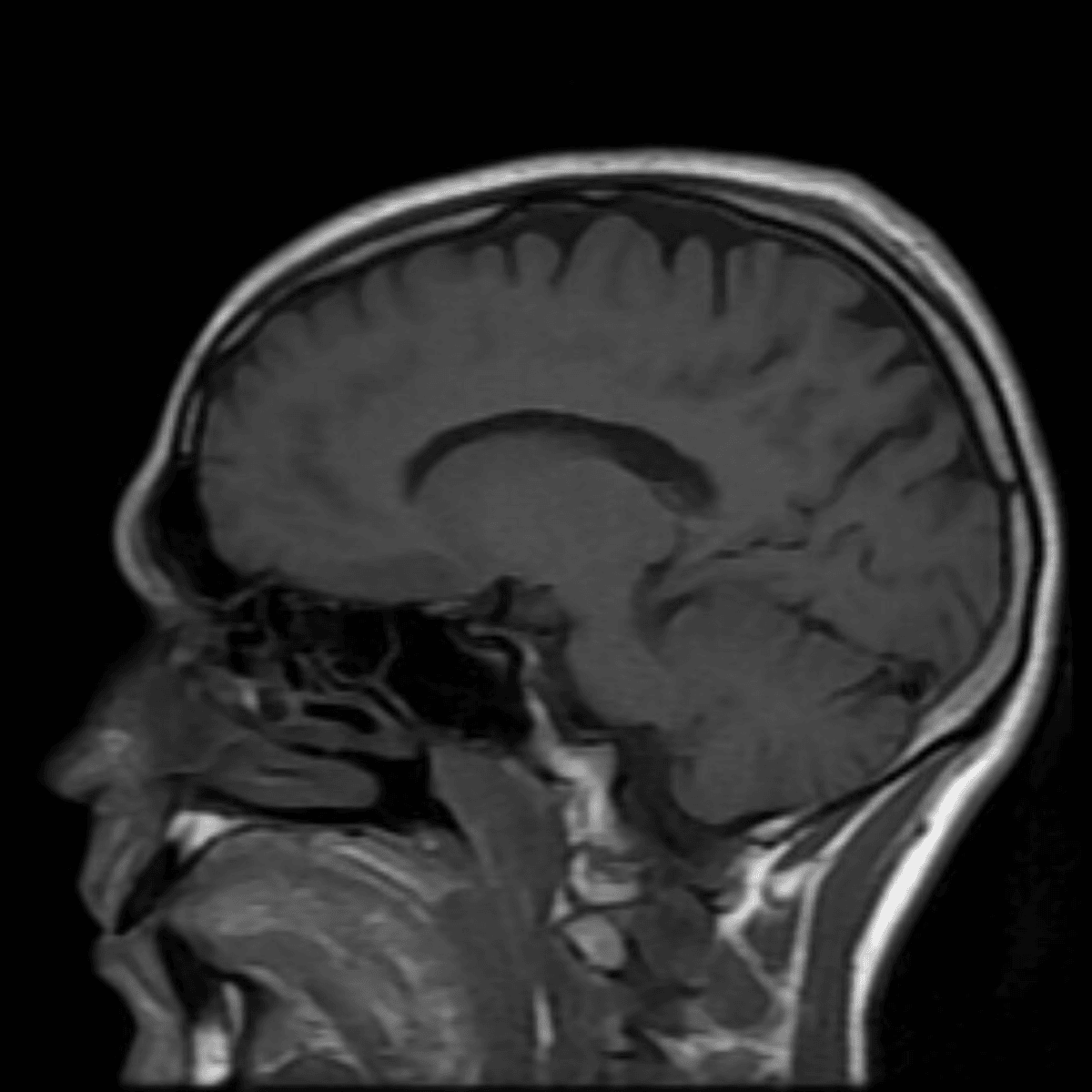
Conditions our MRI scans have found
Coplete Septate uterus
Complete septate uterus is a type of congenital uterine anomaly. Congenital uterine anomalies happen during embryo development in the womb. One estimate suggests that 5% of women have some kind of congenital uterine anomaly. The septate uterus is the most common uterine anomaly. Complete septate uterus is when the uterus has a complete wall separating the uterus in the middle.
Corpus luteal cyst
Each month, the ovaries normally grow cyst-like structures called follicles. These follicles produce the hormones estrogen and progesterone and release an egg during ovulation. After releasing its egg, the follicle is called the corpus luteum. Sometimes, fluid accumulates inside the follicle, causing the corpus luteum to grow into a cyst.
Cystic bone lesions
Bone cysts are fluid-filled lesions with a fibrous lining. They are common, benign (non-cancerous), and mainly seen in childhood. These lesions are usually asymptomatic (do not cause symptoms) and found incidentally (on passing when looking for something else).
Cyst of the shoulder (*partial coverage)
Shoulder cysts (a sac-like pocket of membranous tissue that contains fluid, air, or other substances) are swellings that arise around the socket of the shoulder joint (glenoid). A cyst may become very large and can press on important nerves around the shoulder. Compression of these nerves can lead to pain and weakness of the muscles in that region. This is a benign (non-cancerous) finding, and is likely due to degenerative (age related) changes in the shoulder.
Congenital spinal canal stenosis
Congenital (from birth) spinal canal stenosis is when the space where the spinal cord runs through the spine is narrower than normal. Symptoms, if present, can include pain, numbness, tingling and/or weakness which could radiate into the extremities (arms or legs).
Chronic microvascular changes
Microvascular ischemic disease is a term that is used to describe changes to the small blood vessels in the brain. The cause of microvascular ischemic disease is not completely understood. It can be the result of plaque buildup and hardening (atherosclerosis) of the small blood vessels nourishing the brain. This is the same process that can narrow and damage heart blood vessels.

Can't find what you're looking for?
Frequently Asked Questions
Unfortunately at this time, we are unable to scan people with pacemakers. There is a risk that the MRI magnetic fields will disrupt its operation, and we don't want that.
There are many different types of implants. We will need to know more about what you have. The good news is that almost all implants are MRI-safe. There is a chance the implant will affect the images we can get from the surrounding tissues.
Yes. Almost all IUDs are MRI-safe. Regardless, we check the MRI safety of all devices. Common MRI-safe IUDs are the Mirena and the Copper T.
Yes you can. There will be extra precautions we will take to ensure your safety while in the machine, so please inform staff before entering the MRI.
Yes. This is completely safe.